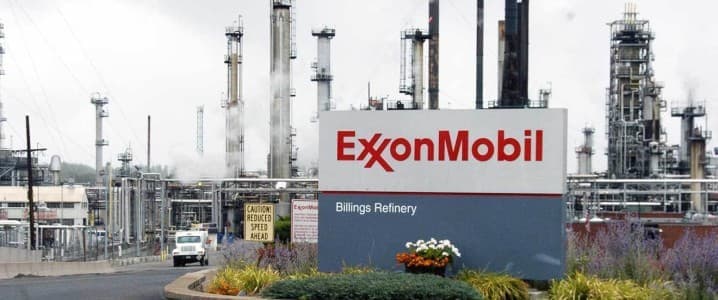
The global energy landscape is currently witnessing a high-stakes geopolitical chess match, with major players like ExxonMobil (XOM) and Chevron (CVX) positioning themselves for a potential acquisition bonanza. The prize? Select non-Russian assets from Lukoil, suddenly accessible due to a temporary, yet pivotal, authorization from the U.S. Treasury. This isn’t merely a corporate transaction; it’s a strategic repositioning opportunity for Western majors to consolidate influence and secure long-term production in a world increasingly wary of Russian-linked energy supplies. The window for these discussions is exceptionally narrow, expiring on December 13, setting the stage for an intense, month-long scramble that could redefine regional energy footprints and offer significant upside for astute investors.
The Scramble for Lukoil’s Global Assets: A Ticking Clock Opportunity
The U.S. Treasury’s recent authorization has effectively opened a constrained, time-sensitive portal for companies to engage in talks regarding Lukoil’s extensive international portfolio. This isn’t a blanket approval for deal closures, but it’s enough to ignite a fierce competitive environment. ExxonMobil, having previously navigated Iraq’s complex energy sector with its West Qurna 1 operations, is reportedly eyeing Lukoil’s significant West Qurna 2 stake – a truly strategic asset given its status as one of the largest undeveloped oil reservoirs globally. This move, if successful, would represent the most impactful U.S. upstream play in Iraq in over a decade, signaling a renewed commitment to a region critical for global supply stability. Simultaneously, Chevron, already deeply entrenched in Kazakhstan’s Karachaganak and Tengiz projects alongside Lukoil, is rigorously evaluating these co-owned assets, aiming to consolidate its position in a stable and prolific production basin.
Beyond these two giants, a diverse field of contenders has emerged, including private equity powerhouse Carlyle, the United Arab Emirates’ national oil company ADNOC, and several European operators. Each is meticulously de-risking potential acquisitions to avoid the compliance pitfalls that have previously derailed high-profile deals, such as Gunvor’s ill-fated $22-billion bid. Lukoil’s non-Russian footprint is substantial, encompassing European refineries, retail fuel networks, and upstream interests spanning Kazakhstan, Uzbekistan, Mexico, Ghana, Egypt, and Nigeria. These assets collectively contribute approximately 0.5% of global oil supply, a seemingly modest figure but strategically invaluable due to their geographic distribution and operational stability outside of Russia.
Current Market Dynamics and the Macro Backdrop for M&A
The intensity of this M&A rush is set against a backdrop of fluctuating, yet fundamentally strong, oil prices, which could influence valuation expectations. As of today, Brent Crude trades at $94.7 per barrel, reflecting a slight dip of 0.82% within a day range of $93.87 to $95.69. Similarly, WTI Crude stands at $86.36, down 1.21% from its daily high. While these figures represent intraday volatility, it’s crucial for investors to note the broader trend: Brent has seen a significant correction, dropping from $118.35 on March 31 to $94.86 on April 20, a decrease of nearly 20% in just two weeks. This substantial pullback might present a more favorable entry point for buyers, or it could lead sellers to hold firm, anticipating a rebound.
The prevailing market sentiment, often oscillating between supply concerns and demand uncertainty, directly impacts the appetite for large-scale acquisitions. Upcoming events will continue to shape this sentiment. Investors will be closely watching the OPEC+ JMMC Meeting scheduled for April 21, which could offer clues on future production policy. Following this, the EIA Weekly Petroleum Status Reports on April 22 and April 29, along with the Baker Hughes Rig Count on April 24 and May 1, will provide critical insights into U.S. inventory levels and drilling activity. These data points collectively inform the near-term price outlook, which, in turn, influences the financial models underpinning these multi-billion-dollar M&A valuations. The overall health of the crude market, despite recent dips, remains robust enough to justify significant capital deployment for strategic asset expansion.
Strategic Implications and Geopolitical Chess Pieces
ExxonMobil’s potential re-entry into Iraq, specifically targeting Lukoil’s West Qurna 2, transcends mere asset acquisition; it’s a profound statement of geopolitical intent. Having exited West Qurna 1 last year, stepping into an adjacent, equally significant field would allow Exxon to leverage existing regional knowledge and infrastructure, asserting a strong U.S. presence in a country vital for global energy security. This move would not only add substantial reserves to Exxon’s portfolio but also serve as a powerful signal of confidence in Iraq’s long-term stability and a willingness to operate in complex environments where strategic advantage can be forged.
Chevron’s focus on consolidating its position in Kazakhstan, by potentially taking over Lukoil’s stakes in Karachaganak and Tengiz, highlights a different but equally compelling strategic rationale. These are proven, high-production assets where Chevron already operates. Increasing its ownership share would streamline operations, enhance capital efficiency, and boost its overall production profile in a geopolitically stable Central Asian nation that offers consistent, high-quality crude supply. For both majors, these acquisitions represent opportunities to not only grow reserves but also to reduce exposure to geopolitical risks associated with purely Russian-sourced energy, aligning with broader Western energy security objectives.
Navigating Sanctions, Valuations, and Investor Concerns
The complex dance around Lukoil’s assets is heavily influenced by the lingering shadow of sanctions. Investors are rightly asking critical questions about the viability and long-term security of such deals, particularly given past collapses like Gunvor’s bid. The primary concern revolves around “sanctions creep” – the risk that today’s permissible transaction could become tomorrow’s compliance nightmare. Private equity firms like Carlyle, for instance, are focusing on assets that can be acquired without extensive, and potentially risky, licensing acrobatics, underscoring the inherent compliance challenges.
Beyond the regulatory hurdles, a persistent question among our readers is the trajectory of oil prices, with many asking “what do you predict the price of oil per barrel will be by end of 2026?” and “is WTI going up or down?” Such uncertainty in the broader market directly impacts the valuation models for these Lukoil assets. Buyers must factor in various price scenarios, geopolitical risks, and the cost of regulatory compliance into their bids. The limited window until December 13 compresses the due diligence period, forcing bidders to make swift, high-stakes decisions under considerable pressure. This requires robust risk assessment frameworks and a deep understanding of the evolving sanctions landscape, making expertise in navigating complex international regulations as crucial as geological and engineering prowess.
Forward Look: Beyond the December 13 Deadline
The expiry of the U.S. Treasury’s authorization on December 13 marks a critical inflection point. While it doesn’t preclude future deals, it certainly closes the current window of explicit regulatory permissibility, adding immense pressure to finalize discussions. For investors, the outcomes of these preliminary talks will have significant implications for the acquiring companies, potentially altering their production profiles, geopolitical exposure, and long-term growth trajectories. Success in securing these assets, particularly the high-value Iraqi and Kazakh stakes, could provide a substantial competitive advantage in the coming years.
Beyond this immediate M&A frenzy, the broader energy market continues to evolve. The EIA Short-Term Energy Outlook, due on May 2, will offer a more comprehensive forecast for crude prices and demand, providing a longer-term context for these strategic plays. Moreover, weekly API and EIA inventory reports throughout April and May will keep investors informed on supply-demand balances. The geopolitical motivations behind these acquisitions – securing non-Russian energy supplies and reducing reliance on volatile regions – are likely to remain a dominant theme, driving further consolidation and strategic divestments across the global oil and gas sector well beyond the current December deadline. Investors should monitor these developments closely, as the ripples from this current M&A wave could be felt across the industry for years to come.


