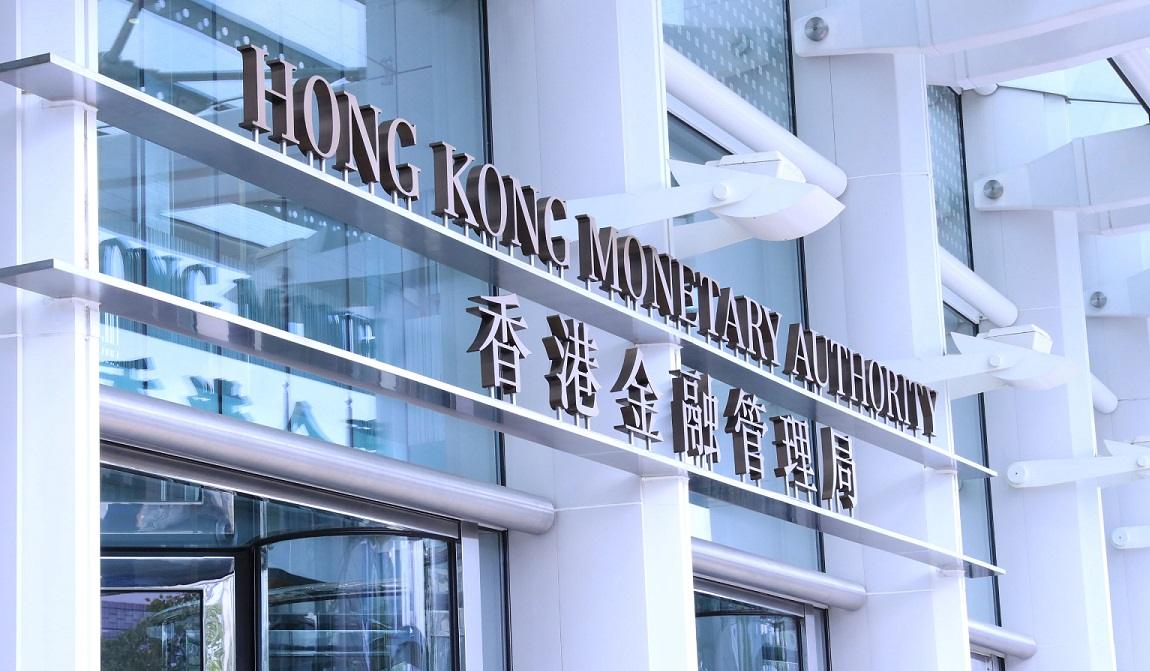
The global energy landscape is undergoing a profound transformation, driven by technological innovation and an escalating focus on sustainability. A recent landmark development from the Hong Kong Special Administrative Region Government underscores this shift: the pricing of a HK$10 billion (USD$1.3 billion) digital green bond. This issuance, marking the largest digital bond offering worldwide to date, not only highlights Hong Kong’s ambition as a digital asset hub but also signals a significant evolution in how capital is raised and deployed for energy transition initiatives. For oil and gas investors, this isn’t just a niche financial story; it represents a tangible shift in global capital flows, influencing long-term investment strategies and the very valuation of traditional energy assets. As the market grapples with immediate price volatility, understanding these broader, structural changes is paramount to navigating the evolving investment climate.
The Digital Frontier: Hong Kong’s Green Bond Innovation and Capital Shifts
Hong Kong’s latest digital green bond offering is far more than a simple fundraising exercise; it’s a testament to the increasing sophistication and scale of sustainable finance. This HK$10 billion issuance, which saw an overwhelming demand exceeding HK$130 billion (USD$16.7 billion) across four tranches denominated in HKD, RMB, USD, and EUR, demonstrates robust investor appetite for innovative, environmentally conscious financial products. A digital green bond, or tokenized green bond, leverages blockchain technology to enhance transparency, improve traceability of funds, and accelerate transaction and settlement processes. This is the third such offering from the HKSAR Government, building on an initial HK$800 million tokenized bond in early 2023 and a subsequent HK$6 billion issuance in 2024. The government’s continuous innovation, including the integration of digital money for settlement in HKD and RMB tranches and the adoption of Digital Token Identifiers across the entire issuance, reinforces Mr. Eddie Yue’s vision for Hong Kong as a global digital asset hub. For oil and gas investors, this trend signifies a growing pool of capital actively seeking green investments, a flow that increasingly competes with, or even diverts from, traditional fossil fuel project financing.
Navigating Volatility: Crude Prices and the Energy Transition Headwind
While green bond markets expand, the traditional energy sector is experiencing significant short-term turbulence. As of today, Brent Crude trades at $90.38 per barrel, a notable decline of 9.07% within the day, with prices ranging between $86.08 and $98.97. Similarly, WTI Crude stands at $82.59, down 9.41% for the day, fluctuating between $78.97 and $90.34. This sharp downturn is not an isolated event; Brent has fallen from $112.78 just two weeks ago on March 30th, representing a substantial $22.4 or 19.9% decrease. This volatility underscores the inherent risks in the commodity markets, but it also prompts a crucial question: how much of this recent price action is influenced by the broader energy transition narrative? While immediate supply-demand dynamics and geopolitical factors are undoubtedly at play, the increasing availability and attractiveness of green investment vehicles, like the HK digital green bond, contribute to a long-term shift in investor sentiment. Capital is not infinite, and as more innovative, transparent, and scalable green financing options emerge, the competitive landscape for investment dollars intensifies for traditional oil and gas projects, potentially exerting downward pressure on future valuations and capital availability.
Anticipating Key Catalysts: Upcoming Events to Watch
The immediate future for crude prices remains highly sensitive to a series of upcoming events that investors must monitor closely. The OPEC+ Joint Ministerial Monitoring Committee (JMMC) is scheduled to meet on April 19th, followed by the full OPEC+ Ministerial Meeting on April 20th. These gatherings are critical, as any signals regarding production quotas or supply strategy could dramatically impact price trajectories in the short term. Will the cartel maintain current cuts to stabilize prices after the recent drop, or will they indicate a potential shift in policy? Beyond OPEC+, weekly inventory data provides crucial insights into market balances. The API Weekly Crude Inventory report on April 21st and the EIA Weekly Petroleum Status Report on April 22nd will offer fresh perspectives on U.S. stockpiles, with subsequent reports due on April 28th and 29th, respectively. Furthermore, the Baker Hughes Rig Count on April 24th and May 1st will shed light on North American drilling activity, an indicator of future supply. These events, occurring amidst the backdrop of expanding green finance, create a complex environment where investors must weigh immediate supply-side reactions against the longer-term structural shifts in energy investment.
Investor Sentiment: Addressing the Market’s Burning Questions
The recent market turbulence has naturally led to pressing questions from our readers, reflecting a palpable sense of uncertainty among investors. Queries such as “is WTI going up or down?” and “what do you predict the price of oil per barrel will be by end of 2026?” highlight the immediate need for clarity and foresight. While no analyst can offer guarantees, our proprietary data indicates that market sentiment is highly reactive to both immediate supply-demand shocks and the evolving energy transition narrative. In the short term, WTI’s direction will be heavily influenced by the outcomes of the upcoming OPEC+ meetings and the inventory data. A decision by OPEC+ to deepen or extend cuts could provide a floor for prices, while an unexpected build in U.S. inventories could exacerbate the recent downturn. Looking towards the end of 2026, predicting a precise price point is challenging, but several factors suggest continued volatility and a potential cap on extreme upside. Global economic growth, the pace of electric vehicle adoption, renewable energy expansion, and the accelerating flow of capital into green initiatives – exemplified by digital green bonds – will all play significant roles. The structural shift towards sustainable energy sources means that while oil will remain crucial, its long-term growth trajectory and investment attractiveness face increasing headwinds.
Strategic Implications for Oil & Gas Investors
The confluence of innovative green finance instruments, like Hong Kong’s digital green bond, with the inherent volatility of crude oil markets, presents both challenges and opportunities for oil and gas investors. The overwhelming demand for green bonds signals a clear investor preference for sustainable assets, indicating that capital allocation is increasingly prioritizing ESG (Environmental, Social, Governance) factors. This necessitates a strategic re-evaluation for portfolios heavily weighted in traditional fossil fuels. Investors should consider diversifying into companies that are actively transitioning their business models, investing in carbon capture and storage technologies, or expanding into renewable energy segments. Furthermore, the transparency and efficiency offered by digital bond platforms could eventually influence how traditional energy assets are financed and traded, potentially driving greater scrutiny and demands for accountability. While the immediate focus remains on navigating crude price swings driven by OPEC+ decisions and inventory reports, the long-term imperative is to adapt to an energy landscape where digital innovation and sustainability are not just buzzwords, but fundamental drivers of investment value. Strategic foresight, coupled with a keen eye on both traditional market catalysts and emerging green finance trends, will be key to unlocking value in this evolving environment.


