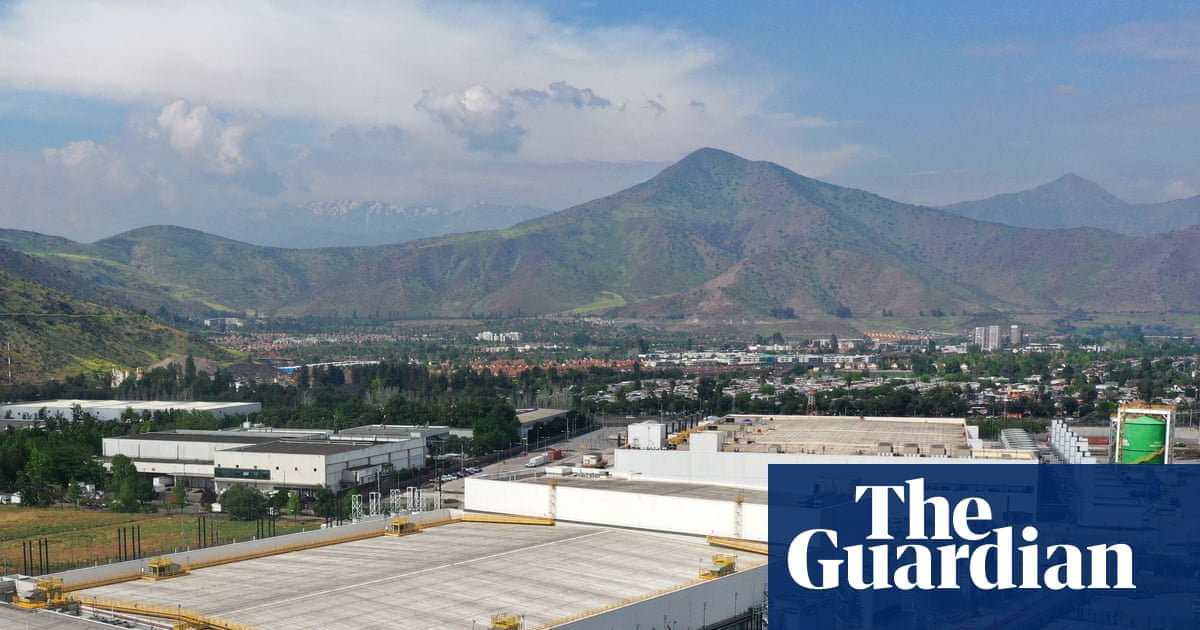
The global race to power Artificial Intelligence continues to reshape energy demand, but a significant and often overlooked dynamic is emerging in Latin America: escalating local resistance is challenging the unfettered expansion of energy-intensive datacenters. This pushback, particularly focused on environmental impacts and resource consumption, introduces a new layer of complexity for oil and gas investors. As governments in key growth markets like Chile and Brazil grapple with balancing foreign investment against community concerns, the trajectory of regional diesel and power demand for this burgeoning sector is far from certain. This analysis delves into how this localized resistance, coupled with broader market volatility, is creating both headwinds and opportunities for the energy sector.
The AI Energy Black Hole: Latin America’s Diesel Dilemma
The sheer scale of datacenters required to fuel the AI revolution is staggering, with implications for energy consumption that are only now being fully appreciated. In Latin America, where countries like Chile and Brazil lead in attracting significant foreign investment for these digital behemoths, the energy footprint is particularly acute. Our proprietary data suggests that investor interest in regional energy infrastructure is closely tied to projected industrial growth, making these datacenter developments a key focus. However, a critical dependency often goes unnoticed: the reliance on diesel generators for primary and backup power. These “gargantuan structures” consume vast amounts of diesel, placing a considerable demand on refined products markets. While governments, often left-leaning, are actively pursuing policies to attract these datacenters — including tax exemptions in Brazil and national investment plans — the environmental costs are mounting. In Chile, a concerning administrative change was made to the environmental system evaluation, altering the threshold for diesel consumption that datacenters must meet to bypass environmental impact assessments. This reclassification has effectively removed a crucial transparency mechanism, making it harder for communities to understand and quantify the environmental burden, especially regarding air quality and emissions from these large-scale diesel operations.
Local Resistance Meets Global Demand: Investment Headwinds
Despite the economic incentives offered by governments, a potent wave of local opposition is rising across Latin America, mirroring similar movements in the United States and the United Kingdom. Communities are increasingly challenging datacenter projects in court, demanding greater transparency from both governments and corporations regarding the environmental impacts and resource consumption, particularly in water-stressed regions. This groundswell of resistance, as evidenced by our reader intent data showing increased queries around ESG risks in emerging markets, creates tangible investment headwinds for energy companies. The pushback complicates permitting processes, delays project timelines, and can significantly increase operational costs for datacenters, thereby dampening their energy demand growth. For integrated energy companies with significant refining and distribution networks in the region, such as those often asked about by our readers (e.g., Repsol’s performance), these localized challenges translate into uncertainty for future diesel and power off-take. The evolving regulatory landscape and the potential for stricter environmental controls could force a re-evaluation of energy supply strategies for datacenters, potentially shifting away from fossil fuels towards more sustainable, albeit often more expensive, alternatives. This dynamic underscores the growing importance of ESG factors in evaluating energy projects, even those driven by the seemingly insatiable demand of the tech sector.
Market Volatility and the LatAm Factor: What Investors Need to Know Now
The localized challenges facing AI datacenter energy demand in Latin America are unfolding against a backdrop of significant global market volatility. As of today, Brent Crude trades at $90.38, a sharp 9.07% decline within the day, with its range fluctuating between $86.08 and $98.97. Similarly, WTI Crude has seen a precipitous drop to $82.59, down 9.41%, trading within a day range of $78.97 to $90.34. This intraday volatility follows a more substantial trend: Brent crude has plummeted from $112.78 on March 30th to its current $90.38 on April 17th, representing a staggering 19.9% decrease in just over two weeks. Gasoline prices have also seen a notable decline, currently at $2.93, down 5.18% today. This broad market softness, driven by macroeconomic concerns and shifting supply-demand dynamics, amplifies the impact of any regional demand disruptions. Investors are keenly asking about the price of oil per barrel by the end of 2026, and the situation in Latin America adds another layer of complexity to these forecasts. While the energy consumption of datacenters is immense, any slowdown in their build-out or a forced shift away from diesel due to local opposition could contribute to a dampened demand outlook for refined products in a key growth region. This means that even as global AI energy demand rises, specific regional pockets may experience decelerated growth or even contraction in fossil fuel consumption, particularly for diesel.
Navigating Future Energy Demand: Upcoming Events and Strategic Plays
For investors focused on the trajectory of global oil and gas markets, understanding these nuanced regional dynamics is crucial, especially as significant industry events loom. The upcoming OPEC+ JMMC Meeting on April 19th, followed by the full OPEC+ Ministerial Meeting on April 20th, will be critical in setting the tone for crude supply. Our readers are actively seeking clarity on “OPEC+ current production quotas,” and any adjustments made could either exacerbate or alleviate the current market softness. Following these, the API Weekly Crude Inventory (April 21st, 28th) and EIA Weekly Petroleum Status Report (April 22nd, 29th) will provide fresh data on U.S. supply-demand balances, while the Baker Hughes Rig Count (April 24th, May 1st) will signal future production intent. While these events primarily influence crude supply, their impact cascades down to refined products like diesel. The evolving situation in Latin America, where datacenter expansion and its associated diesel demand face increasing environmental scrutiny, serves as a bellwether. Energy companies with significant downstream operations or those eyeing growth in emerging markets must factor in this growing resistance. Companies like Repsol, with their broad international footprint, will need to carefully assess their strategic investments in regions like Latin America, potentially pivoting towards cleaner energy solutions or more robust community engagement to secure future growth. The convergence of global market volatility, OPEC+ decisions, and localized environmental challenges creates a complex but navigable landscape for savvy oil and gas investors seeking to identify long-term value in an energy transition-driven world.


