The Growing Lure of Impact Investing Amidst Energy Market Volatility
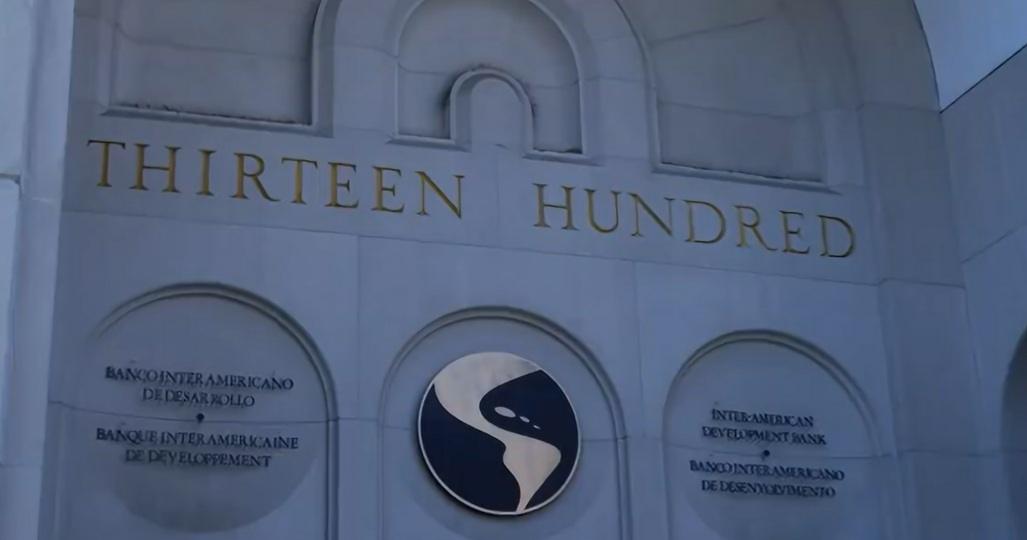
The global energy investment landscape continues its dynamic evolution, and while traditional hydrocarbon assets remain central for many, a significant trend toward sustainable finance is undeniably gaining momentum. The recent announcement by the Inter-American Development Bank (IDB) of its inaugural $100 million Amazonia Bond issuance serves as a potent indicator of this shift. While not a direct oil and gas play, this initiative highlights a maturing segment of capital seeking environmental and social impact, a development that shrewd oil and gas investors must acknowledge as it influences broader capital allocation, regulatory environments, and the very definition of energy sector sustainability. The IDB’s ambitious goal of issuing $1 billion through this program, coupled with Brazil’s expressed interest in launching its own bonds under these guidelines, signals a growing appetite for instruments that blend financial returns with measurable positive externalities, potentially diverting capital flows that might otherwise seek traditional energy investments.
Amazonia Bonds: A New Blueprint for Sustainable Capital
The IDB’s Amazonia Bond platform, developed in collaboration with the World Bank, offers a structured approach to channel private capital into critical sustainable development projects across the Amazon region. This initial $100 million issuance is earmarked for initiatives directly addressing pressing issues such as deforestation, land degradation, and the socio-economic challenges faced by communities in the region, including poverty, inequality, and limited access to essential services like education and healthcare. The overarching objectives are clear: reduce poverty, reverse environmental degradation, and foster climate-resilient economic growth. For investors traditionally focused on energy, these bonds represent a distinct asset class, but their emergence underscores a broader movement where capital is increasingly mandated to consider ESG factors. The “blueprint” aspect, as highlighted by IDB Group President Ilan Goldfajn, suggests that this is not an isolated event but a model intended for replication, expanding the universe of impact investing opportunities and potentially intensifying the competition for institutional funds.
Market Volatility and the Search for Diversified Returns
The timing of such sustainable finance initiatives often coincides with periods of heightened volatility in traditional commodity markets, underscoring the appeal of diversified investment strategies. As of today, Brent crude trades at $90.38, reflecting a significant 9.07% decline within the day, with its range fluctuating between $86.08 and $98.97. Similarly, WTI crude sits at $82.59, marking a 9.41% drop, spanning a daily range of $78.97 to $90.34. Gasoline prices have also dipped to $2.93, down 5.18% from their daily high. This sharp downturn in crude prices, representing a nearly 20% drop from $112.78 just two weeks ago on March 30th, undeniably underscores the inherent unpredictability and risk within the traditional energy markets. For some institutional investors, particularly those with mandates extending beyond pure financial returns, the relative stability and defined impact of instruments like the Amazonia Bond might present an attractive alternative or complementary allocation. While the returns profile of impact bonds may differ from high-beta energy equities, their growing prominence reflects a market increasingly valuing long-term sustainability alongside short-term profit, potentially influencing how capital views the risk-reward equation across the entire energy spectrum.
Addressing Investor Concerns: Navigating the Future of Energy Investment
Our proprietary reader intent data reveals a consistent theme among investors: a keen interest in understanding the future trajectory of oil prices and the performance of specific energy companies. Questions like “What do you predict the price of oil per barrel will be by end of 2026?” and “How well do you think Repsol will end in April 2026?” highlight a desire for foresight in a complex market. The rise of Amazonia Bonds, while seemingly distinct, indirectly addresses these concerns by signaling a diversification of investment priorities. As more capital flows into sustainable finance, traditional energy companies face increased pressure to demonstrate their own pathways to sustainability, whether through decarbonization efforts, investments in renewable energy, or robust ESG reporting. This means that a company’s “ending” in any given period is increasingly tied not just to production volumes or commodity prices, but also to its perceived alignment with broader environmental and social goals. Investors are not just asking about price and profit; they are increasingly asking about purpose and resilience in a changing world, making the IDB’s blueprint a relevant benchmark for evaluating future capital access and cost for all energy players.
Upcoming Market Catalysts and Evolving Capital Strategies
The immediate future for energy markets is punctuated by a series of critical events that will undeniably shape short-term price movements and investor sentiment. The upcoming OPEC+ Joint Ministerial Monitoring Committee (JMMC) Meeting on April 19th, swiftly followed by the full OPEC+ Ministerial Meeting on April 20th, will be under intense scrutiny for any signals regarding production quotas, directly impacting global supply. Further insights into supply and demand dynamics will emerge from the API Weekly Crude Inventory report on April 21st and the EIA Weekly Petroleum Status Report on April 22nd, followed by the Baker Hughes Rig Count on April 24th, providing a snapshot of North American drilling activity. These traditional market catalysts remain paramount for energy investors. However, the success and expansion of initiatives like the Amazonia Bond, potentially seeing further issuances and participation from national treasuries like Brazil’s, represent a longer-term, structural shift in capital allocation. While OPEC+ decisions and inventory reports drive weekly volatility, the increasing availability and investor uptake of green finance instruments could gradually reshape the capital pool for all energy-related projects, rewarding companies that strategically integrate sustainability and impact into their core business models and potentially raising the cost of capital for those that do not.


