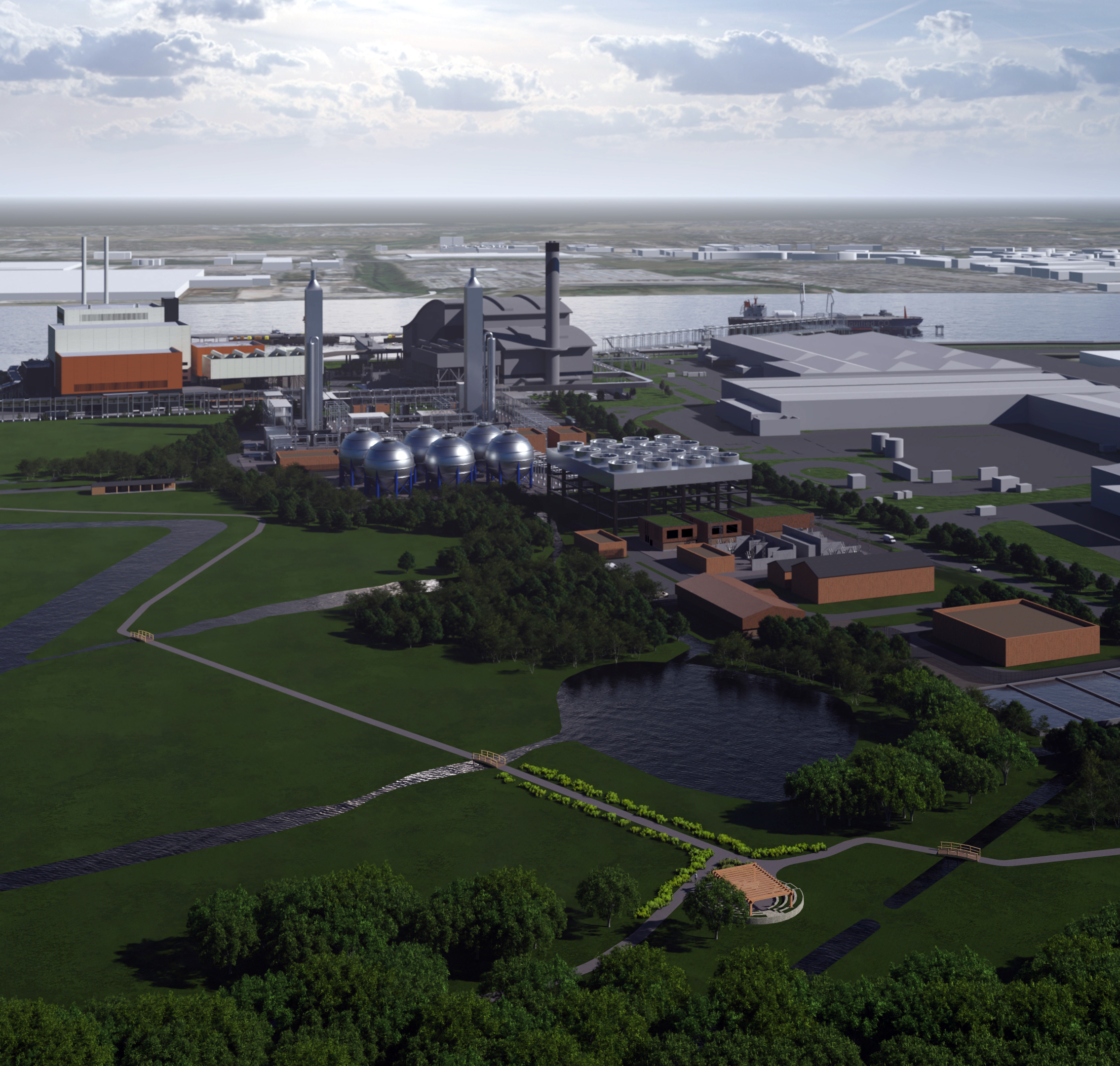
The energy sector is in constant flux, but few developments signal a clearer path for future investment than the strategic expansion of Carbon Capture and Storage (CCS) infrastructure. A landmark project in the UK, poised to become the nation’s largest waste-to-energy with CCS (WECCS) facility, is demonstrating an innovative approach to carbon removal. This initiative, which will capture approximately 1.4 million tonnes of CO2 annually from London’s waste, is not just about scale; it’s about pioneering a new logistical paradigm for carbon management – the maritime transport of liquefied CO2 for permanent storage under the North Sea. For investors navigating a volatile crude market, this project underscores the growing importance of decarbonization technologies as a critical component of diversified energy portfolios.
The Maritime Advantage in Carbon Transport
The UK’s latest WECCS project distinguishes itself through its innovative use of shipping for CO2 transport. Instead of relying on traditional pipeline infrastructure, captured carbon dioxide will be liquefied and moved via vessels along the River Thames to North Sea storage sites. This “non-pipeline transportation” model is a game-changer, drawing on centuries of maritime expertise to unlock decarbonization pathways for emitters previously constrained by geography. The ability to leverage existing waterways, particularly London’s historic “green highway,” ensures that industrial facilities across diverse locations can participate in carbon reduction efforts, irrespective of their proximity to existing pipeline networks. This flexibility not only accelerates the adoption of CCS but also creates new market opportunities in specialized shipping and logistics for liquefied CO2, a sector ripe for growth as global carbon reduction targets intensify. The project’s projected annual capture of 1.4 million tonnes of CO2 represents a material contribution to London’s and the UK’s broader decarbonization commitments, aligning directly with the recommendations of the Independent Review of Greenhouse Gas Removals.
Navigating Crude Volatility: The CCS Investment Case
The strategic importance of long-term decarbonization projects like this WECCS facility becomes particularly clear when viewed against the backdrop of current commodity markets. As of today, Brent crude trades at $90.38 per barrel, reflecting a sharp 9.07% decline within a single trading day, with a daily range stretching from $86.08 to $98.97. Similarly, WTI crude has fallen by 9.41% to $82.59, moving between $78.97 and $90.34. This immediate downturn follows a broader trend: Brent has shed $22.4, or nearly 20%, since March 30, dropping from $112.78 to its current level. Such significant volatility in traditional energy markets highlights the inherent risks and rapid shifts that investors face in the fossil fuel sector. In contrast, investments in carbon capture and storage offer a different risk-reward profile, providing exposure to an emerging market driven by regulatory mandates, sustainability goals, and the long-term energy transition. For energy companies, integrating CCS projects is not merely an environmental endeavor but a strategic move to future-proof their operations, ensuring continued relevance and compliance in a carbon-constrained world while potentially generating new revenue streams from carbon credits or services.
Upcoming Catalysts and Strategic Outlook for Decarbonization
While the immediate attention of many investors will be focused on the OPEC+ JMMC and Ministerial Meetings scheduled for this Sunday and Monday, followed closely by the API and EIA weekly inventory reports, the long-term energy landscape is being shaped by developments in carbon management. The UK’s advanced non-pipeline CCS project serves as a powerful example of how investment and ambition can drive clean growth and job creation, extending beyond the immediate concerns of crude supply and demand. The project’s “pivotal moment” underscores a broader trend: governments and industries are increasingly recognizing the vital role of WECCS in achieving net-zero targets. Investors should monitor forthcoming policy announcements and regulatory frameworks, as these will significantly influence the scalability and profitability of CCS initiatives. Future catalysts include further government incentives for carbon capture, advancements in CO2 liquefaction and shipping technologies, and the expansion of secure geological storage sites. These elements, combined with sustained corporate ESG commitments, will dictate the pace of growth in this nascent but crucial sector. The focus for smart capital extends beyond the next inventory report or OPEC+ quota decision; it includes identifying the infrastructure and service providers that will underpin the global carbon transition.
Investor Focus: Beyond Short-Term Swings to Long-Term Value
Our proprietary data indicates that investors are keenly focused on predicting the price of oil per barrel by the end of 2026 and understanding OPEC+ current production quotas. These questions reflect a natural desire to forecast market dynamics in the traditional energy sector. However, the emergence of projects like the UK’s massive WECCS facility signals a critical diversification in investor strategy. While crude oil prices undoubtedly dominate short-term headlines, the strategic imperative of decarbonization is creating new avenues for long-term value. This project, delivering an essential public service while creating high-quality engineered carbon removals, addresses a fundamental need that transcends commodity cycles. It demonstrates that significant investment in clean technologies can support national clean growth ambitions and create skilled jobs. For investors seeking to future-proof their portfolios and capitalize on the energy transition, understanding the mechanics, economics, and scalability of CCS projects, particularly those employing innovative transport solutions, is becoming as crucial as tracking weekly inventory data. The shift towards a decarbonized economy is not a distant prospect but an ongoing transformation, with tangible projects now demonstrating viable pathways for substantial carbon reduction.