A New Dawn in Energy: Belgium’s Hydrogen Solar Park and Its Investment Implications
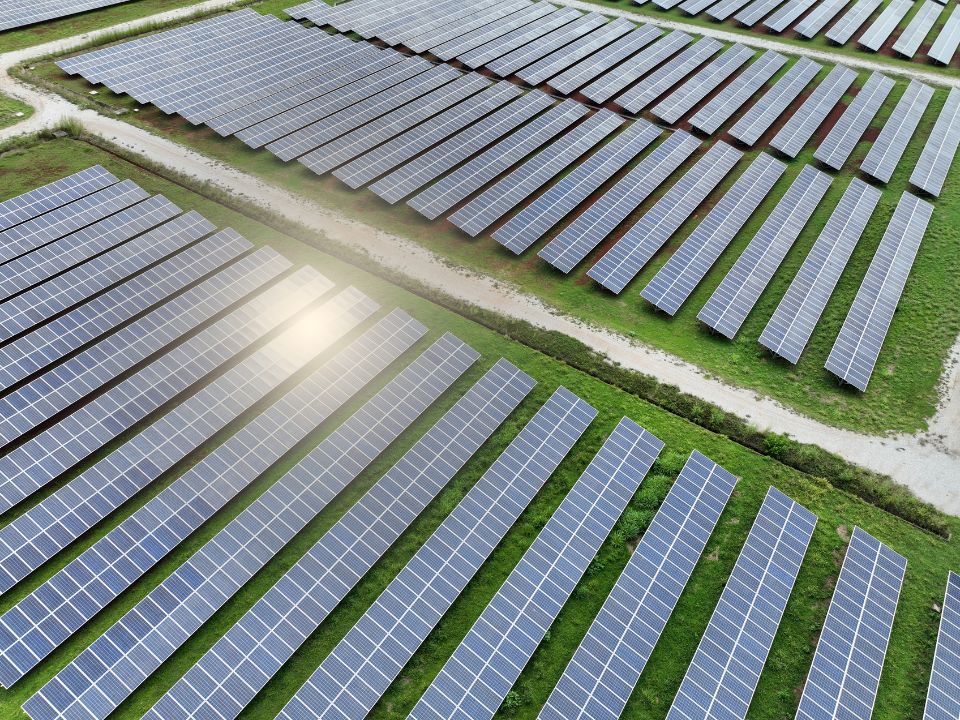
The energy landscape is in constant flux, but rarely do we witness a development quite as significant as the upcoming launch of the world’s first hydrogen solar park near Namur, Belgium, next year. This pioneering project, which will not only generate electricity from solar panels but also produce hydrogen directly using specialized hydrogen panels, represents a tangible leap forward in the quest for truly green energy. For oil and gas investors, this isn’t just a headline; it’s a signal of accelerating technological shifts that demand careful consideration and strategic portfolio adjustments. As traditional energy markets face their own dynamics, innovations like this redefine the long-term investment horizon, offering both challenges and unprecedented opportunities.
The Green Hydrogen Breakthrough: Technology and Market Potential
At the heart of the Belgian project lies a remarkable technological innovation developed at KU Leuven over a decade ago and now commercialized by the start-up Solhyd. These groundbreaking hydrogen panels are designed to extract water vapor directly from the air and, using sunlight, split it into hydrogen and oxygen. Crucially, this process is entirely free from fossil fuels, requires no rare earth materials, and bypasses the need for conventional electrolyzers. This makes it a genuinely “green” technology, offering a decentralized and sustainable method for hydrogen production. With its projected opening next year, this park is not just a proof of concept; it’s a blueprint for future energy infrastructure, demonstrating a scalable, self-sufficient model that could profoundly impact energy independence and decarbonization efforts globally. For investors, the emergence of such streamlined, fossil-fuel-free hydrogen production methods underscores a rapidly maturing clean energy sector, potentially attracting significant capital away from more carbon-intensive alternatives over the coming decades.
Navigating Volatility: Current Market Dynamics and Investor Queries
While the long-term promise of green hydrogen shines brightly, the immediate investment landscape for traditional energy remains fraught with volatility, a reality clearly reflected in recent market movements. As of today, Brent crude trades at $90.38 per barrel, experiencing a significant 9.07% decline, while WTI crude similarly fell 9.41% to $82.59. This sharp intraday correction follows a broader trend of instability, with Brent having shed $22.4, or nearly 20%, from $112.78 on March 30 to its current level on April 17. Gasoline prices have also seen a downturn, currently at $2.93, down 5.18% today. This kind of rapid erosion in value naturally prompts investors to ask critical questions about market direction. Our proprietary data indicates that readers are keenly focused on the future, frequently asking about the predicted price of oil per barrel by the end of 2026. This reflects a deep uncertainty about the sustainability of current price levels and the long-term demand outlook for hydrocarbons, highlighting the ongoing tension between short-term supply-demand balances and the inexorable march of energy transition technologies.
Upcoming Energy Events and Strategic Portfolio Positioning
The immediate future for oil markets will largely be shaped by a series of critical events. Investors are closely watching the upcoming OPEC+ Joint Ministerial Monitoring Committee (JMMC) Meeting on April 19, followed by the full OPEC+ Ministerial Meeting on April 20. These gatherings are pivotal, as our reader intent data shows a strong interest in understanding “OPEC+ current production quotas” and their potential impact on market stability. Any adjustments to supply targets will undoubtedly send ripples through crude prices. Furthermore, the API Weekly Crude Inventory reports on April 21 and April 28, along with the EIA Weekly Petroleum Status Reports on April 22 and April 29, will offer crucial insights into U.S. supply dynamics, often driving short-term trading decisions. While these events dictate immediate market sentiment for traditional hydrocarbons, the longer-term horizon is being increasingly defined by projects like the Belgian hydrogen solar park. Investors must therefore adopt a dual strategy: carefully navigating the near-term volatility influenced by OPEC+ decisions and inventory data, while simultaneously positioning portfolios to capitalize on the profound structural shifts driven by innovative green energy solutions set to come online in the coming years.
The Hybrid Energy Future: Investment Opportunities and Risks
The convergence of a volatile traditional energy market and the rapid ascent of innovative green technologies like hydrogen solar panels presents a complex but potentially lucrative environment for investors. While many are still concerned with the performance of established players, exemplified by questions like “How well do you think Repsol will end in April 2026,” the true strategic advantage will lie in understanding how these new frontiers intersect with existing energy paradigms. The Belgian project, slated to open next year, exemplifies how technological breakthroughs can fundamentally alter the energy supply chain, creating new investment categories and potentially de-risking portfolios currently over-exposed to the cyclicality and geopolitical sensitivities of fossil fuels. Smart investors are already beginning to explore opportunities in companies pioneering such sustainable production methods, recognizing that the future of energy investment is increasingly hybrid – balancing exposure to essential, albeit volatile, hydrocarbons with strategic stakes in the rapidly expanding and evolving green energy sector.