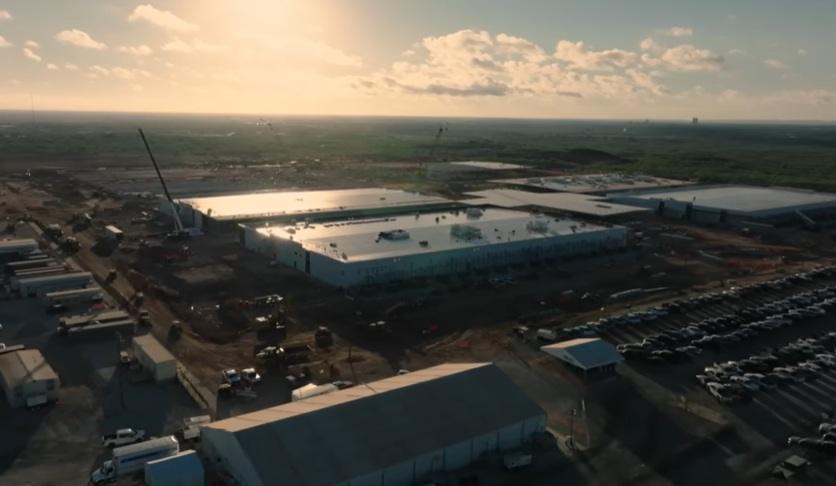
The relentless expansion of Artificial Intelligence is poised to dramatically reshape global energy demand, creating both unprecedented challenges and lucrative opportunities for oil and gas investors. A prime example of this evolving landscape comes from the recent partnership between AI infrastructure provider Crusoe and modular nuclear power plant innovator Blue Energy. Their ambitious plan to develop a 1.5 GW nuclear-powered data center campus at the Port of Victoria in South Texas, featuring a critical “gas-to-nuclear” transition, underscores a pivotal strategy for meeting the AI revolution’s insatiable energy appetite. This collaboration highlights how traditional energy resources, particularly natural gas, are not merely bridge fuels but essential enablers for next-generation, high-load clean energy infrastructure, demanding a nuanced understanding from investors navigating this dynamic market.
Natural Gas: The Indispensable Bridge for AI’s Energy Demands
The rapid scaling of AI infrastructure, as championed by Crusoe, requires an equally rapid deployment of substantial power generation. Blue Energy’s innovative “gas-to-nuclear conversion” model directly addresses this need by leveraging natural gas to power the AI factory campus as early as 2028, with the transition to nuclear generation expected by 2031. This strategy is not merely about expediency; it reflects the pragmatic reality of energy project development in a volatile market. As of today, the broader crude market has seen significant headwinds, with Brent crude trading at $90.38, reflecting a substantial 9.07% drop, and WTI crude at $82.59, down 9.41% within the day. This comes on the heels of a broader 14-day trend where Brent has declined by nearly 20%, falling from $112.78 to its current level. Such volatility underscores the appeal of Blue Energy’s approach, where readily available and relatively stable natural gas provides the immediate baseload, mitigating the long lead times traditionally associated with nuclear power, while offering a clear pathway to future energy cost predictability and emissions reduction. For oil and gas investors, this signifies sustained, strategic demand for natural gas as a critical enabler for high-growth, technology-driven sectors.
Modular Nuclear: Redefining Baseload Power with Speed and Certainty
The long-term vision of this partnership hinges on Blue Energy’s modular nuclear technology, designed to deliver affordable, zero-emissions baseload electricity competitive with fossil fuels and renewables. Blue Energy aims to reduce the time to power generation to 36 months or less, crucially aided by the natural gas bridge, and significantly cut construction costs. Their approach involves prefabricating nuclear plants from existing parts and assembling them in shipyards, a method projected to alleviate supply chain bottlenecks, labor delays, and reduce the need for reinforced concrete, simplifying construction substantially. This focus on “cost and schedule certainty” directly addresses a key concern for investors, who frequently inquire about the future stability of energy prices and the viability of long-term projects. As our reader intent data shows, many investors are actively asking about the future price of oil per barrel by the end of 2026, indicating a strong desire for clarity and predictability in energy markets. Blue Energy’s model presents a compelling answer, offering a path to stable, long-term power costs insulated from the short-term fluctuations seen in commodity markets, thereby enhancing project bankability and investor confidence.
Texas: A Strategic Nexus for Energy Innovation and O&G Infrastructure
The selection of the 1,600-acre Port of Victoria campus in South Texas is not arbitrary; it’s a testament to the state’s unparalleled energy infrastructure and resource availability. The site boasts proximity to existing and planned transmission lines, fiber optic networks, and crucially, access to one of the U.S.’s largest natural gas pipeline systems. For oil and gas investors, this project underscores the enduring strategic value of existing infrastructure. Texas’s robust pipeline network makes it an ideal location for a gas-to-nuclear transition, demonstrating how legacy energy assets can facilitate the deployment of future clean energy solutions. Looking ahead, the short-term dynamics of the natural gas market will be closely watched. Upcoming events, such as the OPEC+ JMMC Meeting on April 19th and the full Ministerial Meeting on April 20th, could influence global energy supply decisions, potentially impacting gas prices. Domestically, the weekly API and EIA inventory reports on April 21st, 22nd, 28th, and 29th, alongside the Baker Hughes Rig Count on April 24th and May 1st, will offer crucial insights into supply-side responses. These reports will be vital for investors to gauge the capacity of the U.S. natural gas sector to meet new, substantial industrial demands like the Crusoe-Blue Energy data center, reinforcing Texas’s role as both a supplier and a hub for innovative energy solutions.
Investor Outlook: Navigating the Hybrid Energy Future
This partnership between Crusoe and Blue Energy offers a compelling microcosm of the broader energy transition, highlighting both the continued relevance of traditional oil and gas resources and the imperative for innovation. For investors in the oil and gas sector, this signals a future where natural gas will increasingly serve as a vital transition fuel, enabling the rapid deployment of high-demand infrastructure like AI data centers, while simultaneously paving the way for advanced clean energy technologies such as modular nuclear. The project in Port Victoria showcases a hybrid energy model that prioritizes speed-to-market, cost-efficiency, and ultimate decarbonization. Investors should closely monitor companies that demonstrate similar adaptability, leveraging existing infrastructure and resources to bridge towards future energy paradigms. The strategic utilization of natural gas as an initial power source, followed by a planned transition to nuclear, illustrates a pragmatic, step-by-step approach to addressing the complex energy demands of a rapidly evolving technological landscape. This forward-thinking strategy positions both companies, and by extension, the energy assets they utilize, for long-term growth within an increasingly interconnected and energy-intensive global economy.


