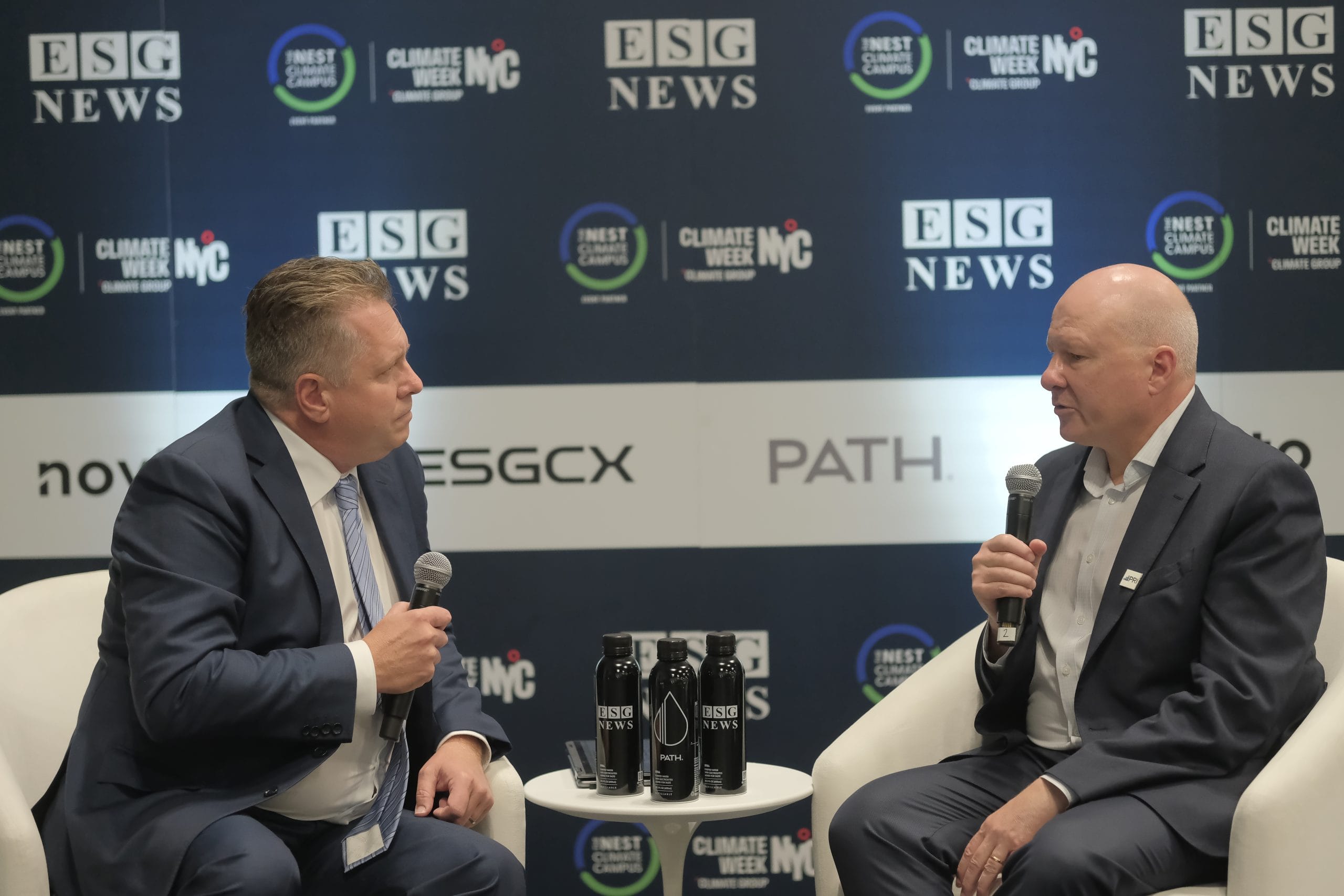
The global energy landscape finds itself at a critical juncture, continuously balancing immediate supply dynamics with the overarching mandate for long-term sustainability. The upcoming PRI in Person 2025 event in São Paulo, strategically timed just before COP 30 in Belém, Brazil, signals a pivotal shift: institutional investors are increasingly positioned not merely as allocators of capital, but as active architects of the global climate and biodiversity agenda. This analysis delves into how these evolving investment strategies are being shaped against a backdrop of volatile crude markets, exploring the unique opportunities and policy challenges inherent in mobilizing private capital for the energy transition, particularly within crucial emerging economies like Brazil.
Navigating Volatility: The Imperative for Sustainable Capital in a Fluctuating Market
The current market environment underscores the complex interplay between traditional energy economics and the growing demand for sustainable investment. As of today, Brent Crude trades at $90.38, reflecting a significant daily decline of 9.07% from a range that saw it touch $98.97. Similarly, WTI Crude stands at $82.59, down 9.41% in a day that saw prices fluctuate between $78.97 and $90.34. This sharp downturn continues a broader trend, with Brent having shed nearly 20% over the past two weeks, dropping from $112.78 to its current level. Such volatility, often driven by a confluence of geopolitical shifts, demand concerns, and supply speculations, typically creates headwinds for long-term capital commitments.
Yet, despite these short-term market pressures, the imperative for sustainable investment, particularly in emerging markets, remains undiminished. Investors are increasingly challenged to balance immediate earnings considerations with the undeniable long-term risks and opportunities presented by climate change and the energy transition. The pursuit of “nature-positive outcomes” and the creation of “investable pathways” for green initiatives are paramount, even as traditional energy markets experience significant price swings, driving a strategic re-evaluation of portfolio allocations towards resilience and sustainability.
Institutional Investors: Driving the Trillions Needed for Transition
The Principles for Responsible Investment (PRI) is strategically positioning its flagship PRI in Person 2025 conference to place institutional investors squarely at the “front and center” of the COP 30 process. This is no small feat, given the colossal scale of capital required to drive the global energy transition. The public sector’s fiscal capacity is strained globally, making private capital mobilization for the “trillions needed” a non-negotiable component of any credible transition strategy. PRI CEO David Atkin has emphasized that unlocking investment into regions like Brazil is critical for linking economic growth with sustainable, nature-positive outcomes.
Our proprietary market intent data highlights that investors are keenly asking, “What do you predict the price of oil per barrel will be by end of 2026?” This question underscores the tension between traditional energy valuations and the increasing flow of capital towards sustainable alternatives. Major institutional investors are not just divesting from fossil fuels; they are actively integrating environmental, social, and governance (ESG) factors into their core strategies, recognizing that long-term value creation is intrinsically linked to sustainable practices. This involves active investment in solutions, particularly in regions with high growth potential and significant environmental impact, such as Brazil. However, persistent hurdles remain, including risk perception, the need for greater regulatory clarity, and improved access to capital for green projects.
Policy Frameworks and Upcoming Market Catalysts
PRI is actively collaborating with the COP 30 Presidency and the Brazilian government to design “enabling policies and frameworks” specifically aimed at accelerating sustainable finance flows. These policy discussions, while long-term in their implications, are significantly influenced by near-term market dynamics. Our proprietary event calendar flags upcoming gatherings like the OPEC+ JMMC Meeting on April 19th and the Ministerial Meeting on April 20th as critical for understanding near-term supply management decisions. These decisions directly impact crude prices and, by extension, the economic attractiveness and perceived urgency of transition investments.
A stable, predictable oil market, or at least one with clear direction from major producers, can provide greater clarity and confidence for investors allocating capital to new energy projects. Conversely, extreme volatility can divert attention and capital away from long-term sustainable initiatives. Furthermore, weekly data from API and EIA, with reports scheduled for April 21st, 22nd, 28th, and 29th, provide crucial insights into demand trends. These insights inform investment decisions across the entire energy spectrum, affecting both conventional and renewable energy sectors. The outcomes from PRI in Person 2025 are designed to directly feed into COP 30 negotiations, shaping the global policy landscape that will either accelerate or hinder the vital flow of private capital into the transition economy.
Brazil: A Blueprint for Blended Finance and Sustainable Growth
Brazil stands out as a compelling case study for aligning sustainability goals with economic growth. Its vast natural resources, growing economy, and critical role in global biodiversity make it central to the global sustainability agenda. Local investors have already demonstrated that environmental and social progress can coexist profitably with financial returns. This presents significant opportunities for private capital in renewable energy projects, sustainable agriculture, forest conservation, and nature-based solutions.
The scale of investment required necessitates innovative financing mechanisms, often blending public and private capital. Such blended finance approaches are essential to de-risk projects, enhance regulatory clarity, and ultimately attract the large-scale institutional investment needed. The strategic focus on Brazil at both PRI in Person 2025 and COP 30 signifies a crucial recognition: emerging markets are not merely recipients of climate finance but are key drivers and innovators of global climate solutions. Addressing the challenges of risk perception and ensuring robust policy frameworks in Brazil could provide a powerful blueprint for accelerating sustainable finance across other emerging economies, ultimately advancing the transition toward a resilient, inclusive, and low-carbon global economy.


