The Australian political landscape is undergoing a significant shift with profound implications for energy investors, particularly those focused on oil and gas. Recent developments indicate a departure from previously entrenched net-zero commitments within a key political bloc, potentially opening new avenues for fossil fuel investment in a nation rich in energy resources. This policy pivot, spearheaded by the Nationals, comes at a time of heightened global energy market volatility, presenting both opportunities and challenges that demand close scrutiny from sophisticated investors.
Australian Policy Pivot Signals New Era for O&G Investment
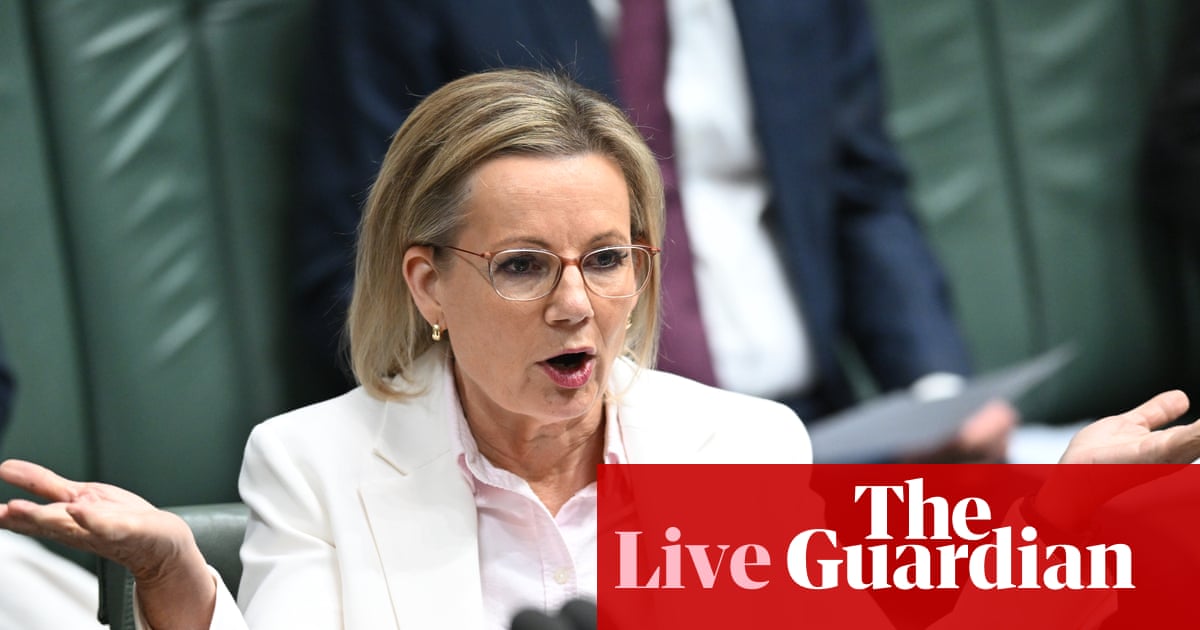
Australia’s Nationals party has declared a significant policy change, abandoning their commitment to net-zero emissions targets and advocating for an expanded role for fossil fuels within the nation’s energy future. This move, championed by figures like Barnaby Joyce, signals a potential recalibration of Australia’s energy strategy. Crucially, the party intends to broaden the scope of the Capacity Investment Scheme (CIS) – a government program previously underwriting renewable energy projects – to now include fossil fuel projects. For oil and gas investors, this represents a tangible shift in political support, potentially de-risking new exploration and production ventures, or extending the operational life of existing assets, by offering direct government underwriting. This could significantly improve the economic viability of projects that might otherwise struggle to secure financing under stricter decarbonization mandates. The emphasis on energy security and reliability, inherent in such a policy shift, aligns with global trends where nations are increasingly re-evaluating the pace and cost of the energy transition.
Navigating Market Volatility Amidst Policy Shifts
This domestic policy shift in Australia unfolds against a backdrop of considerable turbulence in global energy markets. As of today, Brent Crude trades at $90.38 per barrel, a notable decline of 9.07% within the day, with its range fluctuating between $86.08 and $98.97. Similarly, WTI Crude stands at $82.59, down 9.41% for the day. This immediate volatility is part of a broader trend; Brent has seen a significant drop of nearly 20% over the past 14 days, falling from $112.78 on March 30th to its current level. Such pronounced price swings underscore the inherent risks and opportunities in the sector. Investors are keenly asking about the future trajectory, with a frequently posed question being, “What do you predict the price of oil per barrel will be by end of 2026?” While precise predictions are challenging in this dynamic environment, Australia’s evolving policy stance on fossil fuels could contribute to global supply stability, potentially influencing long-term price equilibrium. Any policy that encourages additional supply, even incrementally, can help mitigate supply-side pressures that often contribute to extreme price spikes.
Upcoming Global Events and Australia’s Position
The implications of Australia’s policy recalibration will play out in tandem with several critical upcoming global energy events. Investors are closely watching the OPEC+ Joint Ministerial Monitoring Committee (JMMC) meeting on April 19th, followed by the full OPEC+ Ministerial Meeting on April 20th. These meetings are pivotal in determining global crude production quotas, a key factor in supply-demand dynamics. Further influencing market sentiment will be the API Weekly Crude Inventory report on April 21st, and the EIA Weekly Petroleum Status Report on April 22nd, providing crucial insights into U.S. inventory levels and demand. The Baker Hughes Rig Count on April 24th will offer a gauge of drilling activity. Against this backdrop, Australia’s potential for increased fossil fuel output, supported by the expanded CIS, could serve as a non-OPEC+ supply counterweight. Should OPEC+ decide on production cuts to bolster prices, a more permissive Australian policy environment could encourage investment in new projects, helping to diversify global supply sources and providing a degree of market stability. Investors are asking “What are OPEC+ current production quotas?”, highlighting their focus on global supply management, which Australia’s domestic policy could indirectly influence.
Investor Focus: Identifying Opportunities in a Shifting Landscape
The evolving policy environment in Australia underscores a broader theme for oil and gas investors: the search for stable and supportive regulatory frameworks that enable capital deployment. Our proprietary data indicates that investors are not just tracking macro trends but are also focused on specific company performance and future opportunities, as evidenced by questions like assessing the outlook for major players. The Nationals’ move to include fossil fuels in the Capacity Investment Scheme is a powerful signal to companies operating in Australia, or those considering entry, that the government is prepared to support long-term projects. This could make Australian oil and gas assets more attractive, particularly for companies seeking to de-risk investments in a world increasingly scrutinizing carbon footprints. Investors are looking for clarity and tangible government support, and this policy shift provides exactly that for the fossil fuel sector within Australia. This clarity, combined with Australia’s established resource base and robust legal framework, positions the country as an increasingly compelling destination for oil and gas capital in the current investment climate.


