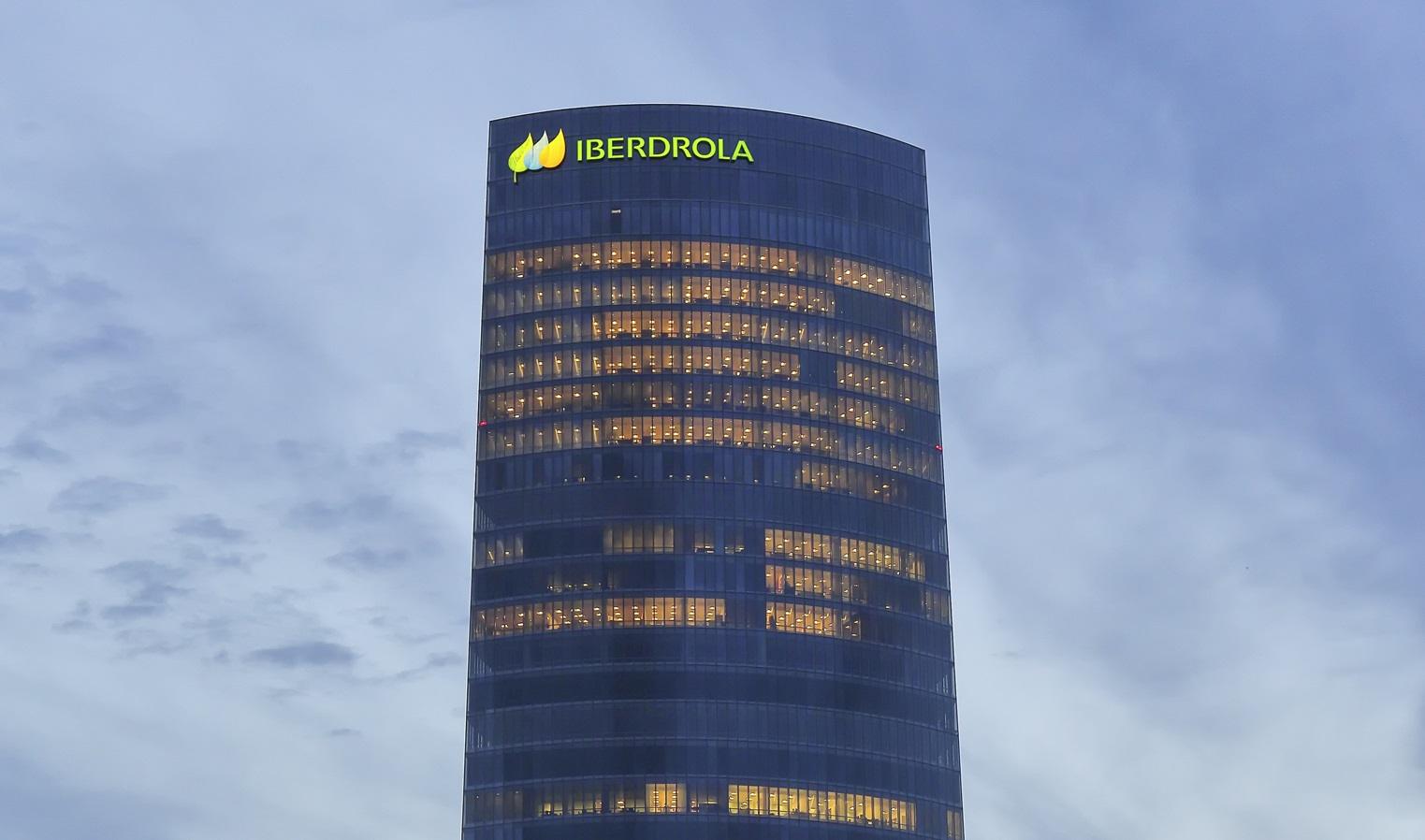
In a dynamic energy landscape characterized by persistent volatility in traditional markets, Iberdrola’s recent hybrid green bond offering stands out as a beacon of investor confidence in the sustainable finance sector. The global energy and electricity provider successfully raised €1 billion, marking the inaugural issuance of a hybrid green bond under the stringent new European Green Bond (EuGB) standard. This offering was met with overwhelming demand, attracting an order book exceeding €8 billion from over 400 investors worldwide. This significant oversubscription not only allowed Iberdrola to expand the issuance beyond its initial target but also secured a highly favorable coupon of 3.75% — the lowest among all hybrid bonds issued this year. For investors navigating the complex energy transition, this event offers critical insights into the growing appeal and resilience of genuinely green investments.
The EuGB Standard: A New Benchmark for Green Investing
The strong investor appetite for Iberdrola’s bond underscores a crucial development in sustainable finance: the emergence of the European Green Bond standard. Launched by the European Commission, the EuGB regulation aims to establish a “gold standard” to combat greenwashing and foster genuine sustainability in the EU’s financial markets. Effective since December 2024, this regulation mandates that all proceeds from EuGB-designated instruments must be invested in economic activities aligned with the EU Taxonomy. While a 15% flexibility pocket allows for investment in taxonomy-compliant activities within sectors yet to have established criteria, issuers must provide clear explanations for fund allocation. Furthermore, strict transparency criteria, including detailed disclosure on the use of proceeds, commitment to a green transition plan, and reporting on investment contributions, are required. Iberdrola, already a leading corporate issuer of green bonds, aligns perfectly with this framework, leveraging these instruments to fund projects spanning renewable energy, energy efficiency, clean transportation, and waste management. Their stated goal to have nearly two-thirds of their debt in green and sustainable products by 2025, with 94% of 2024 financing already sustainable, clearly resonates with investors seeking verifiable impact.
Green Bonds Defy Crude Volatility: A Divergent Path for Capital
The robust demand for Iberdrola’s green bond is particularly striking when viewed against the backdrop of recent turbulence in traditional oil markets. As of today, Brent crude trades at $90.38, marking a significant 9.07% decline in a single day, with its price range fluctuating between $86.08 and $98.97. This sharp downturn is part of a broader trend, with Brent having fallen by $22.4, or 19.9%, from $112.78 on March 30th to its current level on April 17th. Similarly, WTI crude is experiencing a steep decline, trading at $82.59, down 9.41% today. This pronounced volatility in fossil fuel markets highlights a critical divergence in capital allocation. While traditional energy investors grapple with price swings and geopolitical risks, the oversubscribed Iberdrola bond demonstrates that capital is increasingly seeking stability and predictable returns in the sustainable sector. This bifurcation suggests that green finance is not merely an alternative but a resilient investment avenue, capable of attracting substantial interest even when the broader energy complex faces headwinds.
Investor Questions: Bridging the Gap Between Traditional and Green Energy Focus
Our proprietary reader intent data reveals a keen focus among investors on the immediate and future trajectory of crude prices and traditional oil and gas players. This week, many are asking “what do you predict the price of oil per barrel will be by end of 2026?” and “What are OPEC+ current production quotas?”, alongside inquiries about specific companies like Repsol. While these questions underscore persistent interest in the conventional energy sector, the overwhelming success of Iberdrola’s EuGB issuance offers a compelling counter-narrative. It suggests that while investors closely monitor crude dynamics, a significant portion of capital is actively seeking diversification and long-term value in the energy transition. The strong demand for Iberdrola’s bond, particularly with its favorable 3.75% coupon, indicates a willingness to commit capital to projects with clear environmental and governance criteria, providing a potential hedge against the very volatility investors are concerned about in the fossil fuel space. This signals a strategic shift where sustainable investments are increasingly seen not just as ethical choices, but as sound financial ones.
Upcoming Events and the Long-Term Energy Transition
Looking ahead, the energy market calendar is packed with events that will undoubtedly influence investor sentiment in the traditional oil and gas sector. The upcoming OPEC+ JMMC Meeting on April 19th, followed by the OPEC+ Ministerial Meeting on April 20th, will set the tone for production policies, directly impacting crude prices. Subsequent API and EIA weekly inventory reports, along with the Baker Hughes Rig Count, will provide critical insights into supply and demand dynamics. While these events are pivotal for the conventional energy market, they also indirectly reinforce the strategic importance of green investments. Heightened uncertainty or continued volatility in the crude market, driven by these announcements, could further accelerate capital flows into more stable, sustainability-focused assets. Iberdrola’s commitment to having nearly two-thirds of its debt in green and sustainable products by 2025, building on 94% sustainable financing in 2024, exemplifies a long-term strategic pivot that is largely decoupled from short-term crude price fluctuations. The success of this inaugural EuGB bond sets a precedent, indicating that other energy companies committed to genuine decarbonization will likely find a receptive and robust investor base, regardless of the daily swings in oil prices, shaping the future of energy investment for years to come.


