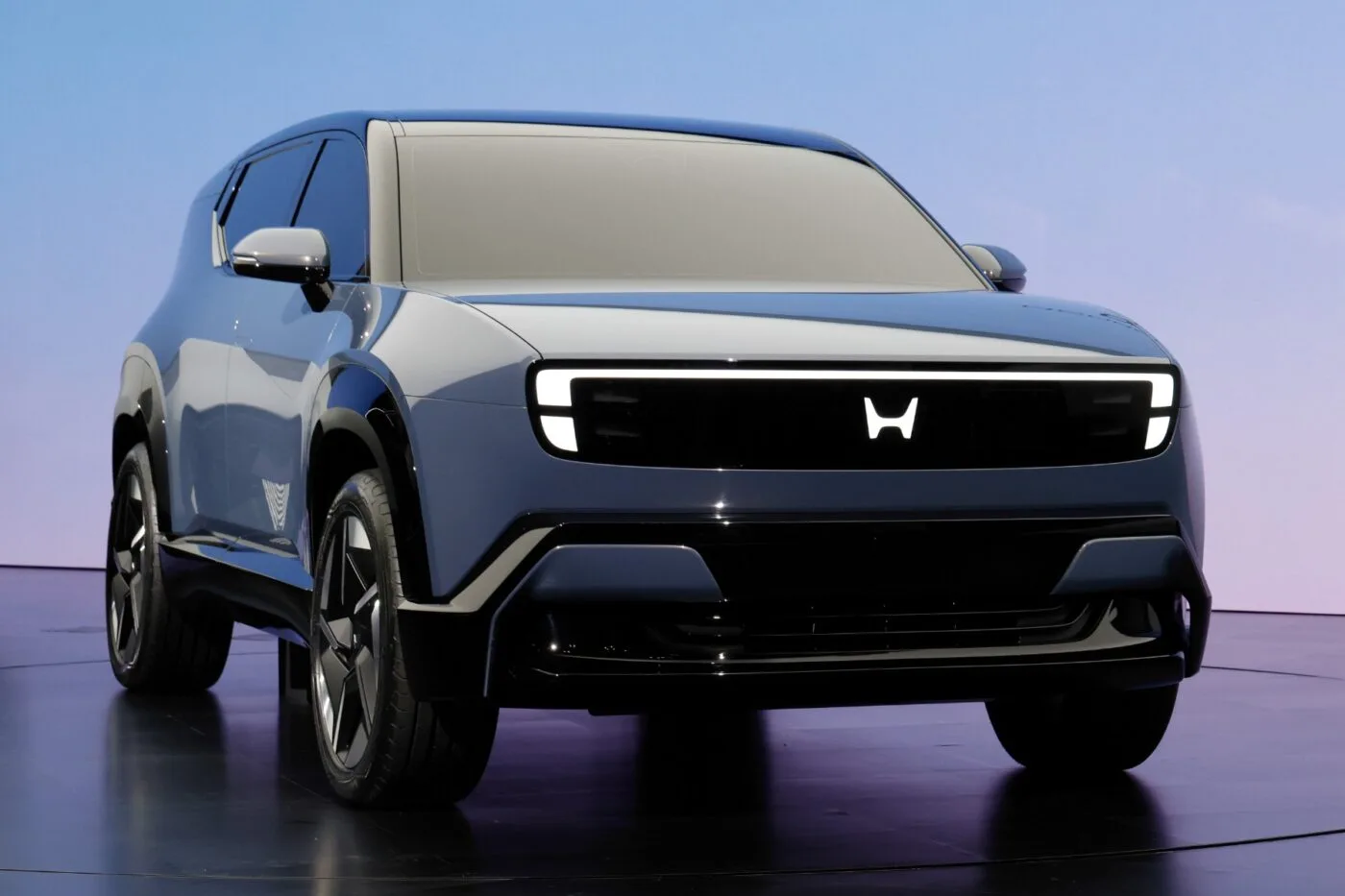
The recent unveiling of Honda’s new electric vehicle prototypes at the Japan Mobility Show 2025 – the Honda 0 α SUV and the compact Super-ONE Prototype – represents more than just another product launch; it signals a deepening commitment to electrification that will inevitably reshape long-term global oil demand. These vehicles, slated for production from 2027 starting in key markets like Japan and India, embody Honda’s “Thin, Light, and Wise” development approach and a focus on engaging driving experiences, pushing the boundaries of EV appeal. For oil and gas investors, these developments underscore an accelerating structural shift away from internal combustion engines, posing a significant bearish signal that demands close attention as we navigate both immediate market volatility and the inexorable march of energy transition.
The Accelerating EV Transition and its Demand Destruction Implications
Honda’s “0 Series” strategy, first introduced at CES 2025 and now expanded with the 0 α SUV and Super-ONE Prototype, is a clear statement of intent. The 0 α is positioned as a “gateway model,” designed for broad appeal across urban and natural environments, with a targeted range in the 300-mile class (EPA mode) for its Saloon and SUV siblings. The Super-ONE Prototype, with its “e: Dash BOOSTER” concept and simulated driving engagement, aims to convert even performance enthusiasts to electric. These innovations are not isolated; they are part of a global, multi-front assault on the dominance of gasoline-powered vehicles. As investors increasingly query the long-term trajectory of energy markets – for instance, asking what the price of oil per barrel will be by the end of 2026 – these concrete steps by major automakers like Honda provide tangible evidence that structural demand destruction for crude is not a distant threat, but a present and rapidly evolving reality. The cumulative effect of such commitments, from numerous manufacturers worldwide, will be felt keenly in consumption figures, even if the immediate impact is still nascent.
Current Market Volatility Underpins Long-Term EV Threat
While the long-term narrative of EV adoption is clear, investors are currently navigating a highly volatile short-term market. As of today, Brent crude trades at $90.38, marking a significant 9.07% decline from its opening, with WTI not far behind at $82.59, down 9.41%. This sharp intraday correction follows a broader retreat, with Brent having fallen from $112.78 on March 30 to its current level, representing a substantial 19.9% drop over just 14 days. Gasoline prices have followed suit, currently at $2.93, down 5.18%. This immediate market turbulence, driven by a complex interplay of supply, demand, and geopolitical factors, highlights the inherent risks in the oil sector. However, it also inadvertently strengthens the case for EVs. Lower gasoline prices, while beneficial for consumers in the short term, are often seen as temporary. The continued development and rollout of advanced, appealing EVs like Honda’s prototypes offer consumers a hedge against such price swings, reinforcing the appeal of electric alternatives and accelerating the transition away from fossil fuels. Investors must discern between transient market noise and fundamental shifts.
Strategic Rollout and Regional Demand Implications
Honda’s strategic decision to launch the production version of the 0 α SUV from 2027, starting in Japan and India, is particularly insightful for oil market watchers. India, in particular, is a crucial battleground for future oil demand. As one of the world’s fastest-growing major economies, its energy consumption trajectory is closely watched. A robust push into the Indian market with accessible and appealing EVs like the 0 α SUV directly targets a significant source of future demand growth for liquid fuels. Japan, a mature market, also benefits from electrification efforts to reduce import dependency. The “Thin, Light, and Wise” approach, enabling a low vehicle height while maintaining ground clearance and creating a slim cabin layout, suggests a design philosophy aimed at practicality and efficiency, catering to diverse global consumer needs. The Super-ONE Prototype’s lightweight platform, derived from the Honda N Series, further indicates a focus on making EVs more accessible and efficient, amplifying their competitive edge against traditional ICE vehicles in these critical regions.
Navigating Upcoming Events Amidst Evolving Demand Forecasts
In the immediate future, oil and gas investors will be closely watching a series of critical events that could impact short-term market dynamics. The OPEC+ JMMC Meeting on April 19 and the subsequent OPEC+ Ministerial Meeting on April 20 will provide crucial insights into supply management strategies, directly addressing investor concerns around current production quotas. These gatherings often dictate immediate price movements, and market participants will be seeking clarity on any potential adjustments. Furthermore, the API Weekly Crude Inventory reports (April 21, April 28) and the EIA Weekly Petroleum Status Reports (April 22, April 29) will offer vital snapshots of U.S. supply and demand balances, while the Baker Hughes Rig Count (April 24, May 1) will signal future production trends. However, while these events are paramount for short-term trading strategies, the long-term imperative remains. Honda’s latest EV prototypes, alongside similar initiatives from other global automakers, are steadily eroding the foundational demand for crude oil. Investors pondering the performance of individual companies, such as how Repsol might fare in April 2026, must integrate these structural demand shifts into their analysis, recognizing that even well-managed oil and gas firms face an increasingly formidable headwind from the accelerating global energy transition.