Streamlining ESG: A New Tool for Oil & Gas Amidst Market Headwinds
The oil and gas sector continues to navigate a complex landscape defined by evolving regulatory demands, fluctuating commodity prices, and increasing investor scrutiny over Environmental, Social, and Governance (ESG) performance. Against this backdrop, a new double materiality assessment (DMA) tool has emerged, promising to significantly reduce the time and cost associated with comprehensive sustainability reporting. This innovation, offered freely at its foundational level, presents a compelling opportunity for energy companies to streamline their compliance efforts, manage risks, and enhance transparency without incurring substantial upfront expenditures. For investors, understanding the implications of such tools is crucial, as they directly impact operational efficiency, regulatory adherence, and ultimately, long-term shareholder value in a sector undergoing profound transformation.
Navigating the ESG Labyrinth: A Strategic Shift in Compliance
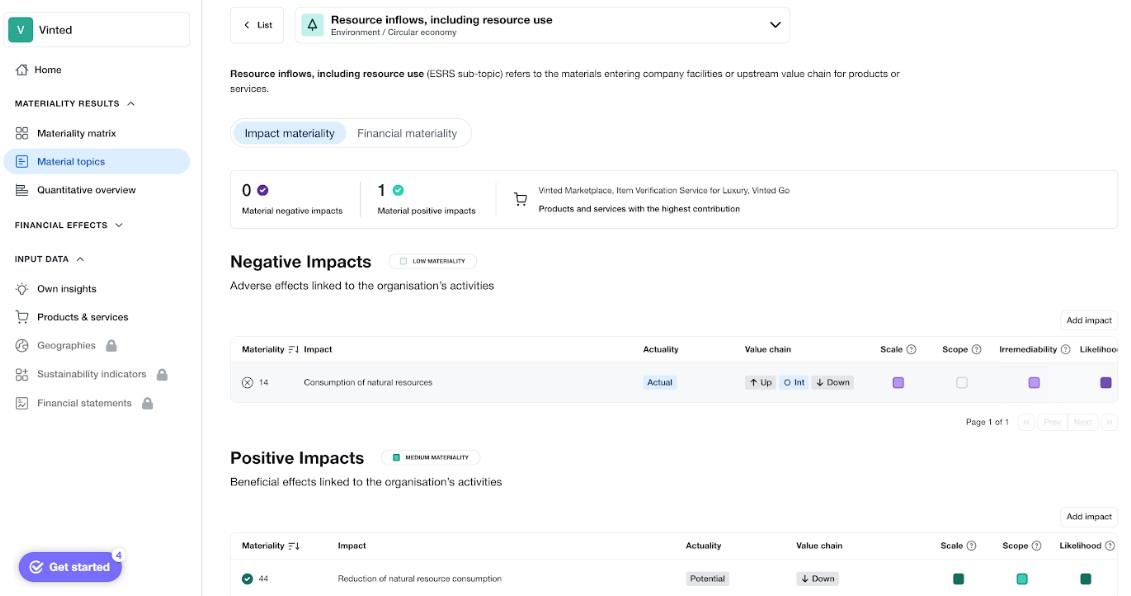
The introduction of robust regulatory frameworks like the EU’s Corporate Sustainability Reporting Directive (CSRD) and its European Sustainability Reporting Standards (ESRS) has redefined the expectations for corporate sustainability disclosure. A cornerstone of these standards is the concept of “double materiality,” which mandates companies to report not only on the financial risks and opportunities stemming from sustainability issues but also on their own impacts on the environment and society. This dual perspective demands a depth of analysis that traditionally required months of manual data collection and expert consultation. The new DMA tool aims to cut this process down to mere minutes, leveraging a company’s public digital footprint to generate an in-depth assessment covering over 80 ESRS topics. For oil and gas operators, who often manage vast and complex value chains with significant environmental and social touchpoints, this efficiency gain is not just incremental; it represents a strategic shift from tedious data compilation to actionable insights, potentially freeing up valuable resources that can instead be directed towards driving tangible sustainability improvements.
Cost-Cutting in a Volatile Market: The Financial Imperative
In the current market climate, where every operational cost is under the microscope, a free tool offering such significant time and resource savings is particularly noteworthy. As of today, Brent Crude trades at $90.38 per barrel, marking a sharp 9.07% decline from its opening. Similarly, WTI Crude has fallen to $82.59, down 9.41% within the day, while gasoline prices sit at $2.93, a 5.18% drop. This daily volatility compounds a broader trend: over the past two weeks, Brent has shed nearly 20% of its value, plummeting from $112.78 on March 30 to its current level. Such significant price movements underscore the financial pressures facing the energy sector. In an environment characterized by contracting margins and heightened economic uncertainty, investments in sophisticated, yet accessible, compliance solutions become critical. By automating and simplifying the intricate process of double materiality assessments, companies can reduce the burden on their sustainability teams, reallocate budgets more effectively, and avoid potential fines or reputational damage associated with non-compliance. This directly translates to an improved bottom line and enhanced resilience, factors that are increasingly vital for attracting and retaining investor capital.
Proactive Compliance and Investor Confidence: Looking Ahead
Forward-looking analysis tied to upcoming events further emphasizes the strategic value of efficient ESG tools. The immediate horizon includes critical industry gatherings such as the OPEC+ Joint Ministerial Monitoring Committee (JMMC) Meeting on April 19, followed by the full OPEC+ Ministerial Meeting on April 20. These discussions often dictate global supply dynamics and, consequently, crude oil prices, impacting the financial outlook for all energy companies. Moreover, weekly data releases like the API and EIA Crude Inventory reports (April 21, 22, 28, 29) and the Baker Hughes Rig Count (April 24, May 1) provide real-time insights into market health and operational activity. Amidst these market-moving events, energy companies face constant scrutiny. A tool that provides rapid, traceable, and comparable impact data, directly tied to financial risks and opportunities, allows firms to maintain a proactive stance on sustainability. This not only ensures compliance but also positions them favorably with investors who are increasingly integrating ESG performance into their investment decisions. The developers of this DMA tool have also indicated that investor-focused versions are already in development, suggesting a future where such data could become a direct input for investment analysis, bridging the gap between operational sustainability and financial performance.
Addressing Investor Concerns: Beyond Reporting to Value Creation
Our proprietary reader intent data reveals a clear focus among investors on the performance of individual companies and the broader market trajectory. Questions like “How well do you think Repsol will end in April 2026?” and “What do you predict the price of oil per barrel will be by end of 2026?” highlight a desire for clarity on company valuations and future commodity prices. Furthermore, inquiries about “OPEC+ current production quotas” demonstrate a keen interest in the fundamental drivers of supply and demand. In this context, a free, efficient DMA tool contributes to value creation in several ways. Firstly, by minimizing compliance costs, it directly improves profitability and cash flow, bolstering a company’s financial health. Secondly, by providing transparent and scientifically backed sustainability data, it enhances investor confidence, allowing companies to articulate their ESG strategy more effectively and mitigate perceived risks. As the market increasingly challenges the veracity of self-reported sustainability claims, an independent, data-driven assessment offers a more credible source of truth. This shift from mere reporting to a clearer understanding of impact and associated financial implications will be paramount for oil and gas companies seeking to demonstrate long-term value and attract capital in an evolving investment landscape.


