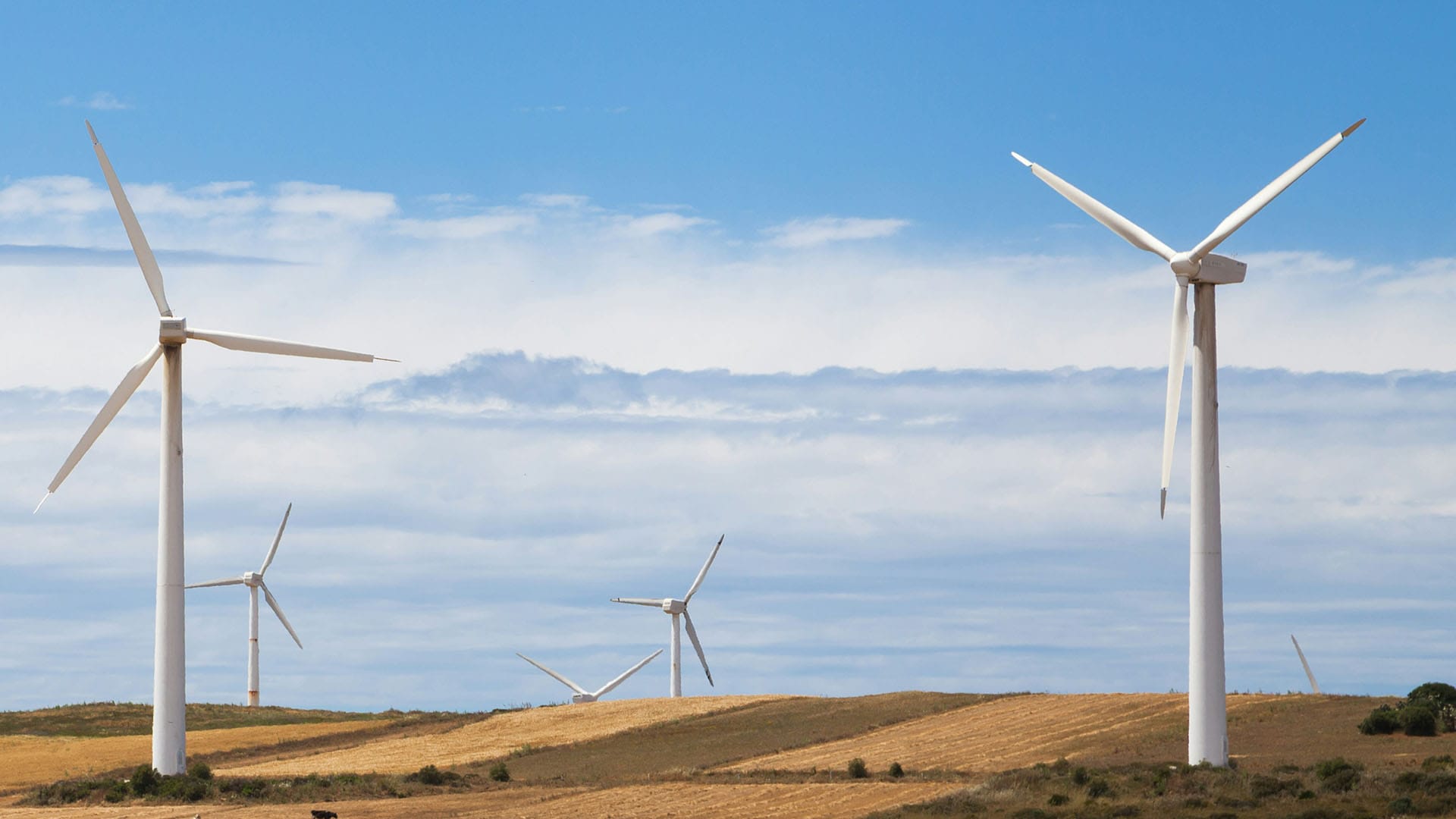
The energy landscape is undergoing a profound transformation, and nowhere is this more evident than in regions aggressively pursuing renewable energy targets. South Australia, for instance, has just commissioned its 412 MW Goyder South Wind Farm, marking a significant stride towards its ambitious goal of 100% net renewable generation by 2027. While this development heralds a cleaner future, it simultaneously poses critical questions for oil and gas investors. The expansion of such large-scale renewable infrastructure, backed by long-term corporate power purchase agreements (PPAs), signals a structural shift in energy demand that traditional fossil fuel producers must acknowledge and strategize against, even as short-term market dynamics continue to drive daily price fluctuations.
South Australia’s Renewable Blueprint: A Microcosm of Global Transition
The inauguration of the Goyder South Wind Farm, developed by Neoen, is more than just a local achievement; it’s a powerful indicator of the broader global energy transition. This facility, now the largest in South Australia and Neoen’s global portfolio, comprises 75 turbines situated on Ngadjuri Nation land near Burra. Expected to generate around 1.5 terawatt-hours of electricity annually, it boosts South Australia’s wind generation by over 20% and firmly positions the state on track for its 2027 net-zero renewable generation target. Such an aggressive timeline highlights a regulatory and societal push that directly impacts the long-term demand outlook for traditional energy sources.
What makes this project particularly compelling for investors is the robust financial backing and strategic partnerships. Goyder South is underpinned by three long-term power purchase agreements totaling 210 MW, including a 14-year, 100 MW contract with the Australian Capital Territory (ACT) Government. More significantly, Neoen has secured an industry-first renewable energy baseload contract for 70 MW with BHP, specifically to power its Olympic Dam mine. Paired with Neoen’s Blyth Battery, this agreement demonstrates how major industrial players are actively pivoting towards consistent, clean power solutions, signaling a fundamental shift in corporate energy procurement away from fossil fuels. The project has also delivered tangible regional benefits, creating over 400 construction jobs, sustaining 12 permanent roles, and injecting over AUD 100 million in supply chain value into the Mid North region, alongside supporting the establishment of a new national park at Worlds End Gorge.
Navigating Market Volatility Amidst Structural Shifts
Against the backdrop of these long-term structural shifts, the daily gyrations of the crude oil market offer a contrasting, often volatile, narrative for investors. As of today, Brent Crude is trading at $90.38, marking a sharp 9.07% daily decline, with its intraday range spanning $86.08 to $98.97. Similarly, WTI Crude has fallen by 9.41% to $82.59, moving within a day range of $78.97 to $90.34. This immediate price action reflects a heightened sensitivity to geopolitical headlines, supply concerns, and broader macroeconomic indicators, rather than the gradual, but persistent, erosion of demand driven by renewable advancements.
Indeed, the 14-day trend for Brent Crude illustrates this volatility vividly, having dropped from $112.78 on March 30th to today’s $90.38 – a significant $22.4 or 19.9% decrease. Gasoline prices have also seen a decline, currently at $2.93, down 5.18%. While these short-term movements demand investor attention for tactical positioning, they should not obscure the underlying long-term trend. Projects like Goyder South, with their multi-decade PPAs and clear targets for displacing fossil fuel generation, represent a steady, fundamental reduction in the addressable market for oil and gas. Investors must reconcile these immediate market fluctuations with the undeniable long-term forces reshaping global energy demand.
Investor Scrutiny: Adapting to a Changing Energy Paradigm
The dichotomy between short-term market volatility and long-term energy transition is clearly reflected in the questions investors are posing. Our proprietary data indicates that many are focused on immediate performance and future price trajectories, asking “How well do you think Repsol will end in April 2026?” and “What do you predict the price of oil per barrel will be by end of 2026?”. These queries underscore a natural emphasis on quarterly results and a desire to forecast commodity prices, which are central to the profitability of traditional oil and gas companies. Furthermore, questions about “OPEC+ current production quotas” highlight a keen interest in the supply-side management that underpins market stability.
However, the rapid deployment of projects like Goyder South suggests that relying solely on OPEC+ cuts or cyclical price recoveries might be an increasingly precarious strategy. While these factors dictate short-term trading, the long-term viability of oil and gas investments will increasingly hinge on how companies adapt to a world where industrial giants like BHP are securing “industry-first renewable baseload contracts.” Investors should be evaluating balance sheet resilience, diversification into cleaner energy ventures, and commitments to emissions reduction, rather than just production volumes. The strategic advantage will shift towards those companies that can demonstrably navigate the demand-side erosion exemplified by South Australia’s aggressive renewable push.
Upcoming Catalysts and the Long-Term Outlook
Looking ahead, the immediate future for oil and gas markets will be shaped by a series of critical events. This weekend marks the OPEC+ Joint Ministerial Monitoring Committee (JMMC) Meeting on April 19th, followed by the full OPEC+ Ministerial Meeting on April 20th. These gatherings are crucial for short-term supply decisions and will undoubtedly influence crude price direction in the coming days. Further insights into demand and inventory levels will come from the API Weekly Crude Inventory reports on April 21st and 28th, and the EIA Weekly Petroleum Status Reports on April 22nd and 29th. The Baker Hughes Rig Count on April 24th and May 1st will offer an indication of future production activity.
While these upcoming events are vital for tactical trading and understanding near-term supply-demand balances, savvy oil and gas investors must also elevate their perspective to the accelerating long-term energy transition. The South Australian example is not an isolated incident but a leading edge of a global movement. Companies that fail to integrate the implications of these structural shifts into their long-term strategy risk being left behind. The true investment opportunity lies in identifying those energy players that are proactively transforming their portfolios to thrive in a world increasingly powered by renewable sources, rather than those solely dependent on the volatile, and potentially shrinking, traditional hydrocarbon market.


