EU’s Green Resolve Solidifies, Piling Pressure on Energy Investors Amid Market Volatility
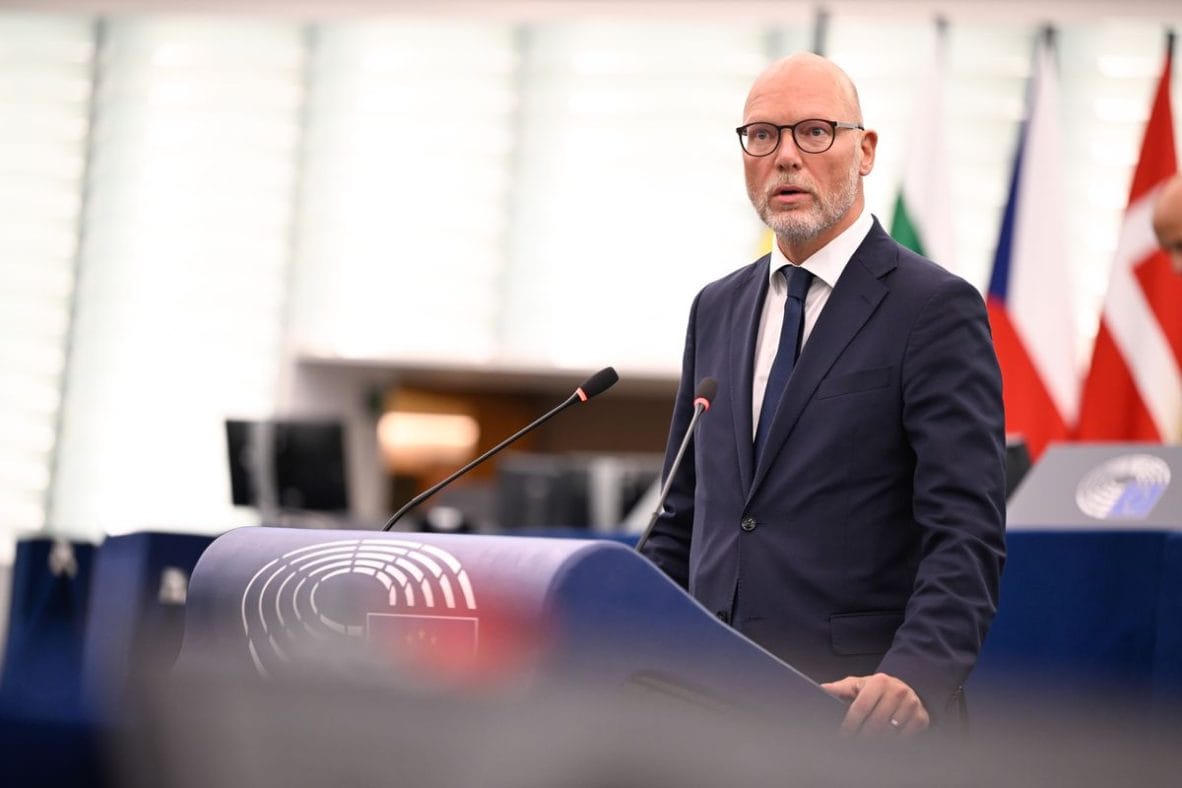
European lawmakers have delivered a decisive message, rejecting a proposed simplification package that would have eased corporate reporting and due-diligence burdens across the continent’s sustainability framework. This narrow but impactful vote, with 318 against and 309 in favor, signals Brussels’ unwavering commitment to its green agenda, irrespective of industry calls for reduced administrative load. For oil and gas investors, this outcome translates directly into heightened compliance costs, increased operational complexity, and a renewed emphasis on robust ESG strategies within European portfolios, arriving at a time when global energy markets are already navigating significant headwinds. The implications extend far beyond mere paperwork, shaping investment decisions and influencing the competitive landscape for energy companies operating within or supplying to the EU.
The Undeniable Costs of Europe’s Unwavering Green Agenda
The rejected Omnibus I package, introduced in February 2025, aimed to streamline regulations stemming from the Corporate Sustainability Reporting Directive (CSRD), the Corporate Sustainability Due Diligence Directive (CSDDD), the EU Taxonomy, and the Carbon Border Adjustment Mechanism (CBAM). Crucially, it proposed raising the CSRD reporting threshold from 250 to 1,000 employees and introducing a €450 million revenue limit, effectively removing approximately 80% of companies from its scope. It also sought to temper the CSDDD’s reach by focusing due diligence on direct business partners and capping data requests to smaller suppliers. The Parliament’s rejection means these proposed relaxations are off the table for now. Instead, companies will continue to face the full weight of these stringent regulations, requiring significant investment in data collection, reporting infrastructure, and supply chain oversight. This outcome, reflecting deep divisions within the centrist coalition that exposed a political unwillingness to compromise on sustainability goals, delays crucial talks with EU governments and injects substantial uncertainty for businesses that had hoped for a more pragmatic regulatory environment. For energy firms, particularly those with complex supply chains and extensive operational footprints across Europe, this translates into higher operational expenditures and potentially reduced margins as they scramble to meet compliance deadlines.
Market Volatility Meets Regulatory Headwinds: A Double Whammy for Energy Portfolios
This reinforced regulatory burden arrives at a particularly challenging moment for the broader energy market. As of today, Brent Crude trades at $90.38 per barrel, marking a sharp 9.07% decline within the trading day, with prices fluctuating between $86.08 and $98.97. Similarly, WTI Crude has seen a precipitous drop, now at $82.59, down 9.41%. This immediate downturn is part of a larger trend; Brent crude has shed nearly 20% over the past two weeks, falling from $112.78 on March 30th. Such significant price erosion directly impacts the profitability of upstream and integrated oil and gas companies. When combined with the increased compliance costs mandated by the EU’s firm stance on green rules, European energy companies face a formidable double challenge. Lower commodity prices squeeze revenues, while higher regulatory overheads inflate costs, potentially eroding investment returns and deterring capital allocation to projects within the EU. The decline in gasoline prices, currently at $2.93 and down 5.18%, further underscores a softening demand or an oversupply dynamic that adds to the bearish sentiment.
Addressing Investor Concerns: Navigating the EU’s Green Maze
Our proprietary reader intent data reveals a clear focus among investors on the performance of European energy players and the long-term trajectory of oil prices. Questions like “How well do you think Repsol will end in April 2026?” highlight the direct impact of these regulatory decisions on specific company valuations. Repsol, as a major integrated energy company with significant operations and investments across Europe, exemplifies the kind of firm now grappling with the full scope of CSRD and CSDDD. Investors in such companies must scrutinize their ESG frameworks, assess their compliance readiness, and understand the potential for differentiated impacts. Larger, well-resourced companies might be better equipped to absorb these costs and integrate new reporting mechanisms, potentially creating a competitive advantage. However, smaller and mid-sized players, particularly those with less diversified revenue streams, could find the compliance burden disproportionately heavy, affecting their growth prospects and financial health. Furthermore, the broader question of “what do you predict the price of oil per barrel will be by end of 2026?” increasingly needs to factor in the demand-side implications of aggressive EU green policies. While OPEC+ decisions influence supply, the EU’s firm regulatory stance could accelerate energy transition efforts, potentially dampening long-term demand for fossil fuels in one of the world’s largest economic blocs.
Upcoming Catalysts and Strategic Imperatives for Energy Portfolios
Looking ahead, the interplay between supply-side decisions and these reinforced regulatory pressures will be crucial. With the OPEC+ Joint Ministerial Monitoring Committee (JMMC) meeting scheduled for April 19th and the full OPEC+ Ministerial Meeting on April 20th, the market will keenly watch for any adjustments to production quotas. These decisions will significantly influence the immediate supply-demand balance and price stability, especially given the current volatility. Further insights into market fundamentals will come from the API Weekly Crude Inventory report on April 21st and the EIA Weekly Petroleum Status Report on April 22nd, providing critical data on U.S. crude stocks and refining activity. The Baker Hughes Rig Count on April 24th will offer a gauge of North American drilling activity. For investors, the strategic imperative is clear: portfolio resilience will depend on a nuanced understanding of both global commodity dynamics and granular regulatory impacts. Companies with robust ESG governance, clear decarbonization pathways, and diversified energy portfolios are likely to be more resilient. Those heavily reliant on conventional assets within the EU must demonstrate a credible strategy for navigating heightened compliance costs and potential future green taxes, or risk facing sustained investor skepticism. The EU’s latest vote solidifies a future where sustainability is not an optional add-on, but a fundamental cost of doing business in Europe.


