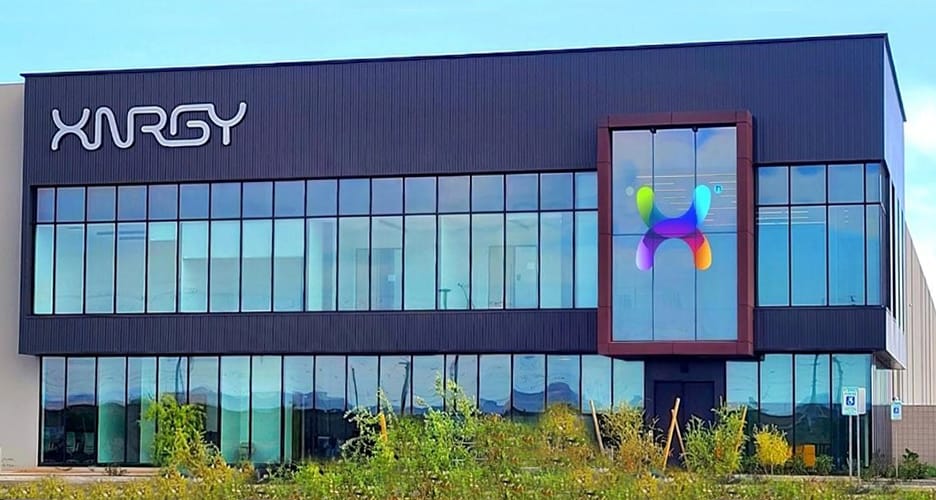
The energy landscape is undergoing a profound transformation, driven by an accelerating digital revolution. As artificial intelligence capabilities expand at an unprecedented pace, the demand for high-intensity computing infrastructure, particularly hyperscale data centers, is soaring. This surge in digital activity carries a significant energy footprint, creating both challenges for traditional power grids and immense opportunities for innovative solutions. In this context, the recent growth equity injection into XNRGY Climate Systems by Decarbonization Partners—a joint venture between BlackRock and Temasek—alongside Climate Investment and Activate Capital, is far more than a simple manufacturing expansion; it represents a strategic bet on the future of sustainable energy infrastructure and a critical component of the global decarbonization imperative.
AI’s Energy Imperative and Market Volatility
The exponential growth of AI is fundamentally reshaping energy demand curves. Each new AI model, every training run, and every inference query requires immense computational power, translating directly into increased electricity consumption by data centers. This growing energy appetite presents a dual challenge: ensuring a reliable power supply and mitigating the associated carbon emissions. For investors in the energy sector, understanding this dynamic is crucial, as it creates new areas of opportunity beyond traditional fossil fuel extraction.
The broader energy market currently reflects a landscape of significant volatility. As of today, Brent crude trades at $90.38 per barrel, reflecting a sharp 9.07% decline from its previous close. Similarly, WTI crude has fallen 9.41% to $82.59 per barrel, while gasoline prices are down 5.18% to $2.93. This recent downtrend, which sees Brent significantly off its 14-day high of $112.78 on March 30th, highlights the unpredictable nature of global energy prices. For energy-intensive industries like data centers, such fluctuations underscore the critical need for operational efficiency and robust cost management strategies. Investments in advanced cooling technologies, like those pioneered by XNRGY, directly address this by reducing the overall energy load, making operations more resilient to market swings and less reliant on volatile energy inputs.
Decarbonization as a Strategic Investment Catalyst
The investment in XNRGY by prominent players like BlackRock and Temasek, through their Decarbonization Partners venture, signals a powerful trend: decarbonization is no longer a niche ESG play but a core component of long-term strategic investing. This move reflects a sophisticated understanding that future economic growth, particularly in the digital sphere, must be decoupled from escalating carbon emissions. For investors keenly observing the energy transition, this transaction validates the growing conviction that companies providing solutions for energy efficiency and emissions reduction in high-growth sectors will deliver substantial returns.
Our proprietary reader data indicates a strong investor interest in the long-term trajectory of oil prices, with many asking, “What do you predict the price of oil per barrel will be by end of 2026?” While short-term forecasts remain challenging due to geopolitical factors and supply-demand dynamics, the underlying message from this investment in sustainable cooling is clear: regardless of where crude prices settle, the imperative to reduce energy consumption and decarbonize operations will only intensify. This makes investments in enabling technologies, such as XNRGY’s high-efficiency air and liquid cooling systems, a strategic hedge against future energy price volatility and tightening environmental regulations. It’s a recognition that the ultimate “cost” of energy will increasingly include its environmental impact, driving capital towards solutions that mitigate this.
Scaling Infrastructure for AI’s Future Demands
The new financing is earmarked to accelerate XNRGY’s U.S. expansion, most notably with the construction of Mesa 2, a 330,000-square-foot facility in Mesa, Arizona. This expansion will significantly boost the company’s total North American manufacturing footprint to nearly one million square feet, dedicated to producing next-generation air-cooled chillers integrated with proprietary AI-driven controls and Copeland technology. This massive scaling of manufacturing capacity is a direct response to the anticipated explosion in demand for energy-efficient cooling solutions as hyperscale data centers continue to proliferate globally.
Forward-looking analysis suggests that the stability and predictability of global energy markets will be a significant factor in the success of such large-scale infrastructure projects. Investors are closely monitoring upcoming events, including the critical OPEC+ JMMC Meeting on April 19th and the subsequent OPEC+ Ministerial Meeting on April 20th. Outcomes from these meetings, particularly regarding production quotas, will directly influence the global crude oil supply and, consequently, the baseline cost of energy for industrial operations worldwide. While XNRGY’s technology aims to reduce consumption, the overall cost environment set by crude prices remains a critical input for data center operators. A stable or more predictable energy market, influenced by these key OPEC+ decisions, provides a more favorable backdrop for the long-term capital investments required to build out the sustainable digital infrastructure of the future. Further insights will also come from the API and EIA Weekly Petroleum Status Reports on April 21st and 22nd, respectively, offering granular data on U.S. inventory levels and demand.
Investor Takeaways: Beyond the Barrel in a Decarbonizing World
For investors primarily focused on the traditional oil and gas sector, this significant investment in sustainable cooling technology offers a crucial perspective: the energy transition is creating entirely new markets and investment opportunities that are intimately linked to, yet distinct from, fossil fuel production. While questions like “What are OPEC+ current production quotas?” remain highly relevant for short-to-medium term crude market analysis, the XNRGY deal highlights a parallel, equally powerful long-term trend.
Investing in companies like XNRGY represents a strategic pivot towards enabling technologies that will underpin the future economy’s digital backbone. It’s a recognition that the demand for energy efficiency in high-growth areas, driven by AI and cloud computing, creates a compelling value proposition. These investments offer diversification benefits, potentially hedging against the volatility and eventual decline of demand for fossil fuels in certain sectors. The opportunity lies not just in producing energy, but in optimizing its use and mitigating its environmental impact. This shift demands a broader analytical lens, one that encompasses both the traditional dynamics of crude and natural gas, and the rapidly expanding ecosystem of sustainable energy solutions.


