The Shifting Sands of Global LNG: Russia’s Sanction Evasion and Market Instability
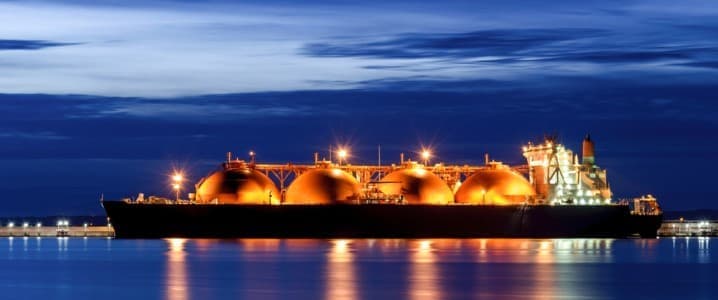
The global energy landscape is currently defined by a complex interplay of geopolitical pressures, supply chain innovations, and market volatility. Against this backdrop, Russia’s persistent efforts to circumvent Western sanctions on its energy exports continue to introduce significant variables for investors. A recent, highly unusual ship-to-ship (STS) transfer of sanctioned Russian liquefied natural gas (LNG) off the coast of Malaysia underscores the lengths to which Moscow will go to maintain revenue streams, challenging established norms and adding layers of risk to an already intricate market. This development, involving the U.S.-sanctioned Perle tanker and LNG from the Portovaya plant, demands close scrutiny from investors keen on understanding the evolving dynamics of global energy supply and the integrity of sanction regimes.
The Expanding Shadow Fleet and Supply Chain Vulnerabilities
The alleged STS transfer of LNG cargo by the Perle tanker 55 miles east of the Malaysian peninsula marks a critical escalation in Russia’s strategy to bypass Western restrictions. The Perle, sanctioned by the United States, loaded LNG from Gazprom’s small-scale Portovaya LNG export plant on the Baltic Sea in February. Both Portovaya LNG and its operator, Gazprom SPG Portovaya Limited Liability Company, faced U.S. sanctions in January 2025, aimed at degrading Russia’s energy sector. The documented instance of such a transfer offshore Malaysia is unprecedented for Russian LNG and signals a growing reliance on clandestine logistical solutions. This maneuver highlights the expansion of a “shadow fleet” not just for crude oil, but now significantly impacting the LNG sector, introducing considerable risks related to insurance, environmental safety, and the potential for secondary sanctions on entities facilitating these illicit transfers. For investors, this translates into increased opacity in supply chains and a heightened risk premium for any involvement, direct or indirect, with Russian energy exports.
Geopolitical Maneuvers and Current Market Volatility
Russia’s defiant stance is not limited to Portovaya. The resurgence of exports from the Arctic LNG 2 project, with at least ten LNG cargoes reportedly reaching China, further demonstrates Moscow and Beijing’s willingness to challenge U.S., UK, and EU sanctions. These actions inject considerable uncertainty into global energy markets. As of today, Brent crude trades at $90.38, reflecting a significant -9.07% drop from yesterday, while WTI crude sits at $82.59, down -9.41%. This sharp decline comes after a prolonged period of upward pressure, with Brent having fallen from $112.78 just two weeks ago. While the immediate cause of today’s drop might be broader market sentiment or profit-taking, the underlying geopolitical friction and the success of sanctioned Russian energy in finding buyers contribute to an unpredictable market environment. The ability of sanctioned LNG to reach consumers complicates supply-side forecasting and potentially dampens the effectiveness of sanctions as a tool to limit Russia’s energy revenues, thereby influencing overall market stability and price formation.
Investor Concerns Amidst Evolving Sanction Regimes
Our proprietary reader intent data reveals a significant investor focus on long-term price predictions and the impact of geopolitical events. Many investors are asking about the trajectory of oil prices per barrel by the end of 2026, and these Russian sanction-evasion tactics are directly relevant. The success of these transfers, particularly to major consumers like China, suggests that the market will continue to grapple with a steady, albeit opaque, flow of Russian energy. This could temper the upward pressure on prices that might otherwise arise from supply constraints or geopolitical tensions, yet it also introduces new volatility stemming from the risk of escalating counter-sanctions. Furthermore, questions about OPEC+’s current production quotas highlight the interconnectedness of global energy policy. While Russia’s LNG exports are distinct from OPEC+’s crude oil management, the overall defiance of Western sanctions by a major producer could influence the cartel’s strategic decisions regarding global supply and market share, potentially leading to adjustments in future quotas or deeper market interventions.
Navigating Upcoming Events and Future Supply Dynamics
Looking ahead, the implications of these developments will likely resonate across upcoming energy events. The critical OPEC+ Joint Ministerial Monitoring Committee (JMMC) and Ministerial Meetings scheduled for April 19th and 20th will be crucial touchstones. While their primary focus is crude oil, the broader picture of global energy supply, including the effectiveness of sanctions on Russian LNG, will undoubtedly be a silent factor in their discussions. Should sanctioned Russian energy continue to find its way to market, it could influence OPEC+’s assessment of global supply-demand balances, potentially leading to revised output strategies. Furthermore, the weekly API and EIA inventory reports on April 21st, 22nd, 28th, and 29th, alongside the Baker Hughes Rig Count on April 24th and May 1st, will offer snapshots of market health. Investors should monitor these closely for signs of how the ongoing geopolitical energy chess game is impacting physical supply, storage levels, and future production intentions. The continued success of Russia’s shadow fleet introduces a layer of uncertainty that could distort traditional supply signals, necessitating a more nuanced approach to market analysis and investment strategy for the foreseeable future.


