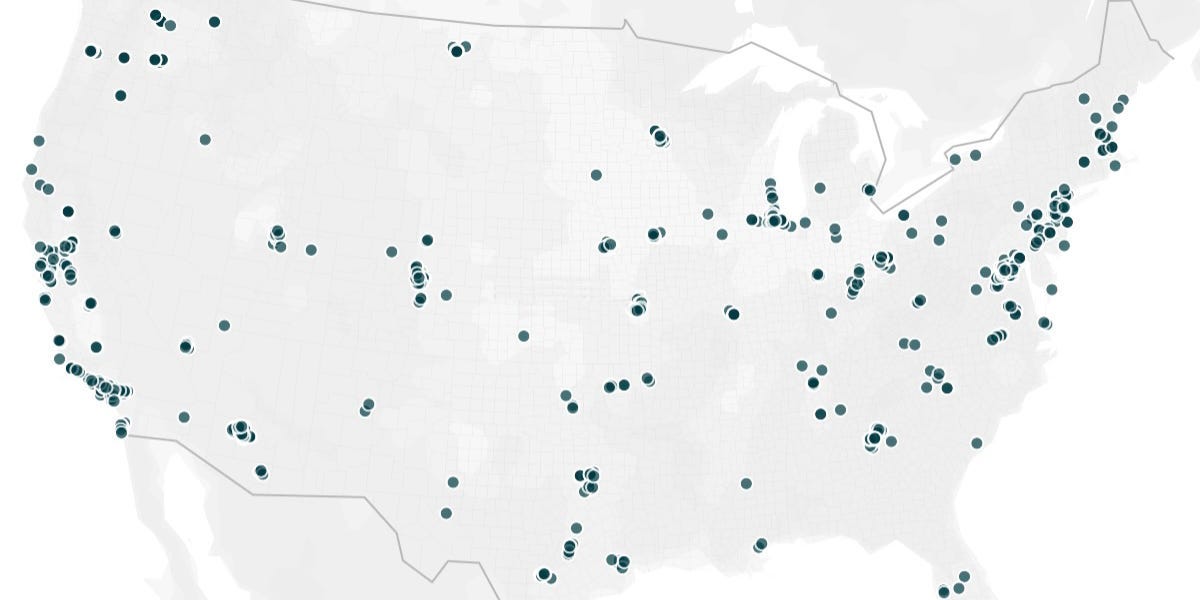
The global energy landscape is undergoing a profound transformation, with emerging technologies like artificial intelligence serving as an unexpected yet potent catalyst for demand growth in specific commodity markets. While much of the investment discourse often centers on crude oil fluctuations, a quieter but equally significant narrative is unfolding within the natural gas sector: the insatiable energy demands of rapidly expanding data centers. These digital behemoths, critical infrastructure for the AI revolution, require vast and reliable power supplies, increasingly turning to natural gas as a primary fuel source for new generation capacity. This shift presents a compelling long-term investment opportunity that warrants a closer look beyond the daily headlines of the broader energy market.
The AI Revolution’s Energy Hunger
The proliferation of artificial intelligence and the cloud computing infrastructure supporting it is creating an unprecedented surge in electricity demand. Data centers, the physical manifestation of our digital world, are becoming increasingly power-intensive, with new facilities designed to house advanced AI chips consuming orders of magnitude more energy than their predecessors. To meet this escalating need, utilities and independent power producers are rapidly commissioning new generation capacity. Natural gas, with its relative abundance, lower carbon emissions compared to coal, and dispatchable nature, is the fuel of choice for much of this new build-out. This fundamental shift is not merely a short-term blip but a structural change that will underpin natural gas demand growth for the foreseeable future, creating substantial tailwinds for producers, midstream operators, and power generation companies focused on gas-fired solutions. Investors should be assessing companies positioned to capitalize on this secular trend, from those supplying the gas itself to those building and operating the power plants that feed these data centers.
Navigating Current Market Headwinds and Divergent Trends
While the long-term outlook for natural gas demand tied to data centers appears robust, the broader energy market presents a more nuanced picture. As of today, Brent crude trades at $96.28 per barrel, reflecting a 3.13% daily decline and marking a continuation of a downward trend that has seen prices fall by approximately 12.4% from $112.57 just two weeks ago. WTI crude mirrors this sentiment, currently at $87.82, down 3.67% on the day. Gasoline prices also show weakness, trading at $3.03. This recent retreat in crude benchmarks suggests a cautious sentiment pervading the wider oil market, possibly driven by macroeconomic concerns or perceptions of ample supply. However, investors must differentiate between these broad market movements and the specific, underlying fundamentals driving natural gas. The demand pull from data centers represents a distinct, growing vector that may decouple natural gas performance from crude oil’s short-term volatility. While crude prices reflect global economic health and geopolitical tensions, natural gas is increasingly influenced by localized power grid requirements and the accelerating build-out of digital infrastructure. Smart investors are keenly observing these divergent trends, seeking out the specific natural gas plays poised for growth despite broader market softness.
Investor Focus: Seeking Clarity in a Shifting Landscape
Our proprietary reader intent data reveals a consistent theme among sophisticated investors on our platform: a deep desire for robust, transparent market data and advanced analytical tools. Questions ranging from “What data sources does EnerGPT use?” to “What is the current Brent crude price and what model powers this response?” highlight a strong focus on data integrity and the underlying methodologies used for market analysis. This pursuit of granular insight is particularly relevant when considering emerging demand drivers like data centers for natural gas. Investors are not just asking about headline prices; they are trying to understand the fundamental mechanics driving those prices. They want to identify which companies are best positioned, how much new natural gas generation capacity is truly coming online, and what the long-term implications are for supply-demand balances. The demand for clarity on OPEC+ production quotas also underscores a need to understand all facets of energy supply management. For natural gas investors, this translates into a need for reliable data on power generation build-outs, regional electricity demand forecasts, and the operational footprints of major data center developers. Understanding these drivers is key to making informed investment decisions in a market increasingly shaped by technological advancement.
Upcoming Catalysts and Forward-Looking Dynamics
While the immediate future is shaped by ongoing market re-evaluations, several upcoming events on the energy calendar will provide additional insights and potential catalysts for the oil and gas sector. This Friday, April 17th, the OPEC+ Joint Ministerial Monitoring Committee (JMMC) meeting will set the stage for the full Ministerial Meeting on Saturday, April 18th. These gatherings are critical for global crude supply policy and will undoubtedly influence overall energy market sentiment, even as natural gas develops its own distinct demand drivers. Beyond OPEC+, the consistent rhythm of weekly inventory reports will offer a pulse on overall energy demand. The API Weekly Crude Inventory reports on April 21st and April 28th, followed by the EIA Weekly Petroleum Status Reports on April 22nd and April 29th, provide crucial data points on storage levels and product demand, which can indirectly signal broader industrial activity that consumes natural gas. Furthermore, the Baker Hughes Rig Count, scheduled for April 24th and May 1st, offers a vital leading indicator of drilling activity across North America. While predominantly an oil-focused metric, sustained increases or decreases in rig counts can signal shifts in sentiment and capital allocation that eventually trickle down to natural gas production, particularly in basins where both oil and gas are produced. Savvy investors will be monitoring these events not just for their direct impact but for subtle cues that inform the evolving supply-demand picture across the entire energy complex, with a keen eye on how these dynamics intersect with the growing energy needs of the digital economy.


