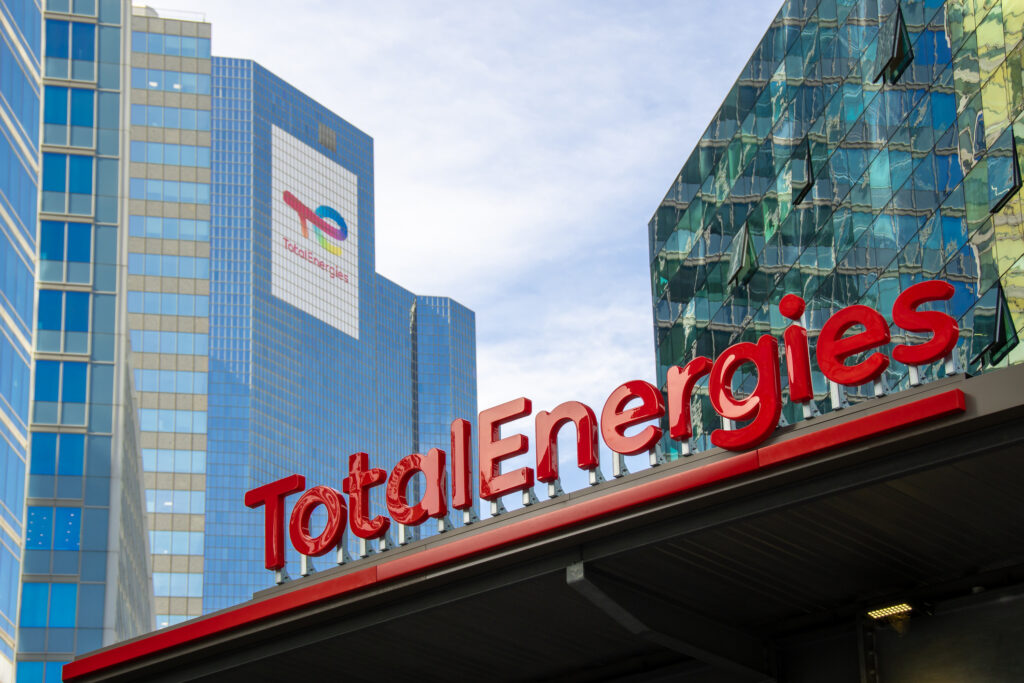
TotalEnergies has signaled a robust third-quarter performance, projecting an uptick in both profit and cash flow. This positive outlook, detailed in their recent trading update, comes despite a challenging crude price environment and offers a compelling narrative for investors. Our analysis at OilMarketCap.com, drawing on proprietary market data and forward-looking event calendars, delves into the strategic underpinnings of this resilience, examining how the French energy giant is leveraging increased hydrocarbon production and strong downstream results to navigate volatility and enhance shareholder value.
Production Growth: A Strategic Shield Against Price Volatility
TotalEnergies’ strategic emphasis on boosting hydrocarbon output has proven to be a critical differentiator in the current market. The company projects a significant 4% year-on-year increase in oil and gas production for the third quarter, reaching an estimated 2.5 million barrels of oil equivalent per day (MMboed). This substantial volume expansion is a primary driver behind the expected flat to 5% rise in overall results and cash flow from business segments, effectively counteracting the impact of lower crude prices compared to the prior year. More specifically, the exploration and production segment is forecast to see its results and cash flow climb more than 4% from the second quarter, underscoring the success of their operational ramp-ups and asset optimizations.
This impressive production growth takes on greater significance when viewed against the backdrop of recent market movements. As of today, Brent crude trades at $90.38 per barrel, marking a notable 9.07% decline in a single day and a nearly 20% drop from $112.78 just two weeks prior. WTI crude mirrors this downward trend, currently at $82.59. This period of significant price erosion highlights the strategic advantage of increased production volumes. By extracting and selling more, TotalEnergies has managed to sustain and even enhance its revenue streams, demonstrating a strong operational hedge against the market’s unpredictable swings. For investors closely monitoring energy stock performance, TotalEnergies’ ability to deliver accretive hydrocarbon production growth amid such volatility sends a clear signal of operational efficiency and strategic foresight.
Downstream Resilience and Financial Prudence
Beyond upstream performance, TotalEnergies’ downstream operations have emerged as another key pillar of its Q3 strength. The company anticipates a substantial improvement in downstream results and cash flow, projected to rise by $400 million to $600 million year-on-year. This boost is primarily attributed to wider refining margins in Europe, indicating robust demand for refined products and efficient processing capabilities. The current market snapshot reinforces this, with gasoline prices trading at $2.93 per gallon, suggesting healthy margins for refiners despite the overall downward pressure on crude. This diversification across the value chain provides a crucial buffer, allowing the company to capture value even when crude prices are under pressure.
Financially, the trading update also brings welcome news regarding TotalEnergies’ balance sheet health. The gearing ratio, a key measure of indebtedness, is expected to improve by 0.5% to 1% from the end of the second quarter. This improvement is largely driven by an anticipated positive contribution from working capital of $1 billion to $2 billion. This financial strengthening is particularly noteworthy given past investor concerns about dwindling profits and a subsequent paring back of share buybacks to manage rising debt. The renewed focus on debt reduction and working capital optimization demonstrates a prudent financial strategy, positioning the company on firmer ground and potentially paving the way for future capital returns to shareholders.
Navigating Future Volatility: Key Market Events on the Horizon
Looking ahead, the broader energy market remains dynamic, with several critical events poised to influence crude price trajectories and, consequently, TotalEnergies’ operating environment. Investors should mark their calendars for the upcoming OPEC+ Joint Ministerial Monitoring Committee (JMMC) Meeting on April 19th, followed immediately by the OPEC+ Ministerial Meeting on April 20th. These gatherings are pivotal, as decisions on production quotas can significantly impact global supply and price stability. Changes in these quotas directly affect the market’s supply-demand balance, influencing the profitability of every barrel TotalEnergies produces.
Further insights into market fundamentals will come from the regular inventory reports. The API Weekly Crude Inventory reports on April 21st and 28th, alongside the EIA Weekly Petroleum Status Reports on April 22nd and 29th, will offer crucial data points on U.S. crude and product stockpiles, indicating demand health and supply levels. Additionally, the Baker Hughes Rig Count on April 24th and May 1st will provide a real-time gauge of upstream activity. These events, closely monitored by OilMarketCap.com, will collectively shape the near-term outlook for crude prices and could either amplify or mitigate the impacts of TotalEnergies’ current operational strengths. Savvy investors will track these developments closely to anticipate shifts in the broader investment thesis for energy majors.
Investor Sentiment: Long-Term Price Outlook and Strategic Positioning
Our proprietary reader intent data reveals a keen focus among OilMarketCap.com investors on the long-term trajectory of crude prices, with a recurring question being, “What do you predict the price of oil per barrel will be by end of 2026?” This forward-looking concern underscores the strategic importance of TotalEnergies’ diversified and resilient business model. While short-term market fluctuations are inevitable, the company’s ability to drive profit through increased production and robust downstream performance provides a degree of insulation against immediate price shocks. Furthermore, investors are actively seeking clarity on “What are OPEC+ current production quotas?”, highlighting the significance of supply-side management in shaping future price environments.
TotalEnergies’ strategy, encompassing both conventional production growth and strong refining operations, positions it to navigate these uncertainties. The company’s recent performance update suggests a capable management team adept at optimizing assets and managing capital effectively. For investors pondering the long-term oil price outlook, TotalEnergies offers a compelling case of an integrated energy major that can generate substantial cash flow and improve its financial health even in a volatile and declining crude price environment. Its ability to deliver results while strategically reducing debt enhances its appeal as a stable investment within the energy sector, offering a blend of operational strength and financial discipline that can withstand future market shifts.