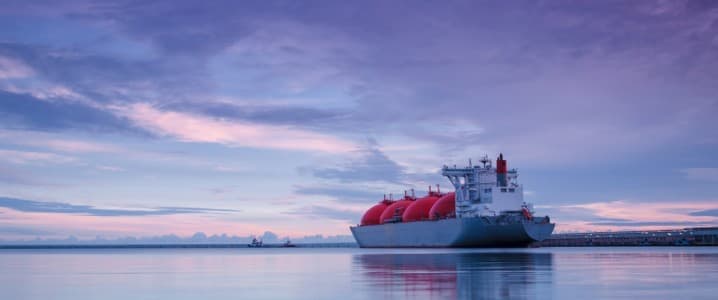
Despite a complex geopolitical landscape and stringent international sanctions, Novatek’s Arctic LNG 2 facility is demonstrating remarkable resilience, with a notable surge in liquefied natural gas (LNG) exports. This ongoing activity from a heavily sanctioned project presents a compelling case study for energy investors, highlighting the intricate dance between geopolitical pressure, market demand, and strategic energy infrastructure. Our proprietary data pipelines indicate a significant investor focus on understanding how such projects not only survive but thrive amidst adversity, fundamentally reshaping global energy supply chains and challenging conventional wisdom regarding sanction efficacy. This analysis delves into the operational successes, market implications, and future outlook for Novatek’s Arctic ventures, offering critical insights for navigating the evolving oil and gas investment terrain.
Arctic LNG 2 Defies Sanctions with Surging Exports
The narrative surrounding Novatek’s Arctic LNG 2 has been one of persistent challenge, yet recent operational data reveals a compelling story of overcoming obstacles. The facility, which commenced liquefying gas in late 2023, faced immediate pressure from Biden administration sanctions aimed at curtailing Russia’s energy industry. The European Union followed suit, severing access to Western funding and shipping insurance. Despite these formidable barriers, Novatek has ingeniously identified alternative financing and logistics solutions, mirroring tactics previously observed in Russian crude exports. Exports from Arctic LNG 2 initially began in August 2024, continuing until November before a temporary pause attributed to weather conditions and, reportedly, buyer availability. This year, however, has seen a robust restart, with all subsequent shipments directed towards China. Our internal tracking confirms ten LNG cargoes have been loaded since June, signaling a substantial and sustained export push. This resurgence is particularly strategic given China’s cessation of U.S. liquefied gas purchases amid ongoing trade disputes, positioning Novatek as a crucial alternative supplier. Last month, Novatek reported record production for August, a feat largely enabled by the summer thawing of the Northern Sea Route. This critical shipping lane has significantly enhanced the viability of transporting more LNG cargoes to Asia, with China receiving over 370,000 tonnes of super-chilled fuel from Novatek’s second facility since late August.
Navigating Global Volatility: Arctic LNG’s Market Impact
The robust performance of Arctic LNG 2 unfolds against a backdrop of significant volatility in the broader energy markets. As of today, Brent crude trades at $90.38, marking a significant decline of 9.07% within a day, oscillating between $86.08 and $98.97. Similarly, WTI crude stands at $82.59, down 9.41%, with its daily range spanning $78.97 to $90.34. This sharp downturn follows a substantial $-22.4, or nearly 20%, drop in Brent prices from $112.78 observed just two weeks ago on March 30. Such dramatic shifts underscore the dynamic nature of global energy commodities, yet Novatek’s LNG exports continue their upward trajectory, particularly into the Asian market. The facility, designed for three trains each with a capacity of 6.6 million tons per year, targeting a total of 19.8 million tons annually, is strategically vital for Russia’s ambition to elevate its global LNG market share from 8% to 20% by 2030-2035. While sanctions on Russian shipyards and technology suppliers have undeniably delayed deliveries of additional carriers, creating a shortage that caps export flexibility, the current operational success demonstrates a resilient, albeit constrained, progression towards these long-term goals. The sustained flow of LNG from the Gydan Peninsula, adjacent to the legacy Yamal producing region, to Asian markets acts as a critical counterweight to Western sanctions, diversifying Russia’s energy revenue streams and influencing global LNG supply dynamics.
Investor Focus: Geopolitical Risk and Market Trajectories
Our proprietary intent data reveals that investors are keenly focused on understanding how geopolitical risks translate into tangible market outcomes, with specific questions like “what do you predict the price of oil per barrel will be by end of 2026?” and “What are OPEC+ current production quotas?” dominating discussions. Novatek’s continued success in Arctic LNG 2 provides a real-world case study for evaluating the effectiveness of sanctions and the innovative resilience of sanctioned entities. Investors are increasingly seeking clarity on the long-term implications of these circumvented restrictions, particularly how they might impact future energy project financing, insurance, and shipping logistics globally. The ability of Novatek to secure buyers, primarily China, despite initial concerns about a lack of demand during the temporary export halt, underscores the robust appetite for diversified LNG supplies. This situation forces a re-evaluation of geopolitical risk premiums and the potential for new, non-Western-aligned energy corridors. The strategic importance of Arctic LNG 2 to Russia’s broader energy strategy, aiming for a significant increase in global LNG market share, suggests that while sanctions have interfered with these plans, they have clearly not managed to cancel them completely. This ongoing dynamic demands a nuanced understanding of global energy security and supply reliability, especially for those holding positions in companies like Repsol or assessing future oil price movements.
Upcoming Events and the Forward Outlook for Arctic LNG
The coming weeks bring several pivotal events that could shape the broader energy market context in which Novatek operates. With critical energy meetings on the horizon, investors must carefully weigh these developments. The OPEC+ JMMC Meeting on April 19 and the subsequent OPEC+ Ministerial Meeting on April 20 are pivotal. Any adjustments to production quotas emerging from these gatherings could send significant ripples through the crude market, indirectly affecting global LNG pricing and demand dynamics, especially in a volatile environment. Further insights will be provided by the API Weekly Crude Inventory reports on April 21 and April 28, followed by the EIA Weekly Petroleum Status Reports on April 22 and April 29. These reports will offer vital insights into U.S. supply and demand, providing a benchmark against which global energy flows, including Russian LNG, are assessed. Additionally, the Baker Hughes Rig Count on April 24 and May 1 will give an indication of future supply trends. For Novatek, these macro-economic and geopolitical events could create either headwinds or tailwinds for its continued export strategy. The strategic implications of the Northern Sea Route’s extended navigability, likely influenced by long-term climate trends, are particularly significant, potentially further enabling Arctic exports and solidifying Asia as a primary market. Investors should monitor these upcoming events closely to assess the evolving risk-reward profile of global LNG projects and the resilience of companies operating under geopolitical constraints.


