Woodside’s NWS Extension Faces Mounting Legal Headwinds: What Investors Need to Know
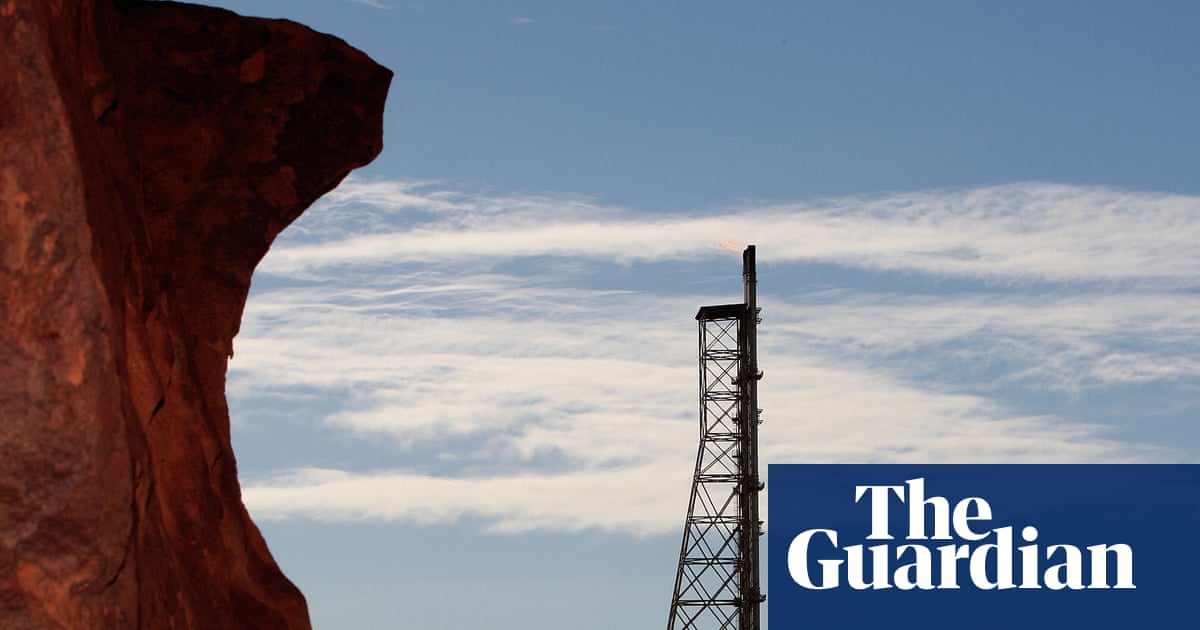
Woodside Energy’s ambitious plan to extend the life of its North West Shelf (NWS) liquefied natural gas (LNG) processing plant from 2030 to 2070 is now entangled in significant legal challenges. This development introduces a substantial layer of uncertainty for one of the world’s largest LNG projects and raises critical questions for investors banking on Australia’s long-term gas export potential. The federal environment minister’s recent approval, intended to greenlight the multi-decade extension on Western Australia’s Burrup Peninsula, is now under intense scrutiny from two distinct environmental and cultural heritage groups, signaling potential delays, increased costs, and reputational risks that demand close attention from shareholders.
The Legal Gauntlet: Challenging Approval on Environmental and Heritage Grounds
Two separate legal proceedings have been initiated in the federal court, aiming to overturn the minister’s decision. The Australian Conservation Foundation (ACF) and Friends of Australian Rock Art (FARA) have each filed challenges, asserting fundamental flaws in the approval process. The ACF argues that the minister improperly considered the economic benefits of Woodside’s unapproved Browse gas project – a distinct proposal to develop an offshore gas field – when granting the NWS extension. This is a critical point, as the NWS plant would potentially process gas from Browse. The ACF also contends that the approval lacked crucial details regarding the gas to be processed and its associated pollution, and that the minister failed to adequately consider the physical impacts of climate breakdown as a project consequence. Their research estimates the project’s total emissions could exceed 13 times Australia’s annual emissions, a figure that amplifies the environmental risk profile.
Concurrently, FARA’s case centers on the assertion that the approval is invalid because the minister did not properly account for the economic and social harms that would arise from ongoing damage to Murujuga heritage. This cultural landscape, home to over one million pieces of Indigenous rock art, has already been acknowledged by the minister’s own department as suffering “significant adverse impact” from industrial emissions. The government’s published reasons even indicate a weakening of protective conditions for this world heritage-listed art after Woodside reportedly argued potential plant shutdown. For investors, these challenges represent more than just legal hurdles; they are potential flashpoints for prolonged regulatory battles, community opposition, and increased scrutiny on environmental, social, and governance (ESG) performance.
Market Volatility and Project Viability: A Headwind for Long-Term LNG Investments
The legal battles for Woodside’s NWS extension unfold against a backdrop of significant energy market volatility. As of today, Brent crude trades at $90.38 per barrel, a notable decline of 9.07% within the day’s range of $86.08 to $98.97. This sharp drop is consistent with a broader trend, seeing Brent fall nearly 20% over the last 14 days, from $112.78 to its current level. While LNG pricing mechanisms can vary, a sustained downturn in crude prices often signals wider energy market sentiment shifts and can impact the economics and perceived risk of massive, capital-intensive gas projects.
Our OilMarketCap.com reader intent data highlights this investor anxiety, with many actively asking about the predicted price of oil per barrel by the end of 2026. This focus on future commodity prices underscores the sensitivity of long-term energy infrastructure investments to market fluctuations. For Woodside, legal delays and potential conditions on the NWS extension could push costs higher and extend timelines, making the project more vulnerable to market downturns or shifts in global gas demand. Even if gas prices remain robust, the added uncertainty from legal action can deter investment, especially when alternative projects might offer clearer regulatory pathways. The combination of legal risk and a potentially softer commodity price environment means the NWS extension faces a more challenging investment thesis than initially envisioned.
Navigating Regulatory Scrutiny and Future Market Signals
The immediate future holds critical junctures for both the legal challenges and the broader energy market. While the court proceedings will dictate the direct fate of the NWS extension, a series of upcoming events will shape the wider investment climate. The OPEC+ Joint Ministerial Monitoring Committee (JMMC) meeting on April 19th, followed by the full Ministerial Meeting on April 20th, are pivotal. Our readers are keenly asking about OPEC+ current production quotas, reflecting the market’s intense focus on supply management. Any decisions made by OPEC+ could significantly influence global crude prices and, by extension, overall energy sector investor confidence, impacting appetite for large-scale gas investments.
Beyond OPEC+, the regular cadence of market data releases provides ongoing signals. The API Weekly Crude Inventory (April 21st, April 28th) and EIA Weekly Petroleum Status Reports (April 22nd, April 29th) offer insights into North American supply and demand dynamics, while the Baker Hughes Rig Count (April 24th, May 1st) tracks drilling activity. While these data points are not directly about LNG, they contribute to the overarching narrative of global energy supply and demand. For Woodside, the legal process itself will introduce delays, irrespective of the final outcome. Even a successful defense against these challenges will incur significant legal costs and divert management attention. Investors must weigh these tangible and intangible costs against the long-term revenue potential of a project designed to operate for another half-century, especially as environmental and heritage considerations gain increasing weight in global investment decisions.
Implications for LNG Investment and Shareholder Value
The legal challenges to Woodside’s NWS extension serve as a potent reminder of the escalating risks associated with major fossil fuel projects, particularly those extending lifespans into a decarbonizing future. The claims regarding emissions and damage to world heritage-listed Indigenous rock art highlight the growing power of environmental and cultural advocacy groups to influence project outcomes. For investors, this situation underscores the importance of a comprehensive risk assessment that extends beyond traditional financial metrics to include robust ESG analysis. A project of this scale, intended to run until 2070, is inherently exposed to evolving regulatory landscapes, heightened environmental scrutiny, and shifts in societal expectations.
Should the legal challenges lead to a reversal of the approval, or impose more stringent operating conditions, the financial implications for Woodside could be substantial, affecting cash flows, project economics, and ultimately, shareholder value. Conversely, if Woodside successfully defends the approval, the precedent set will still reflect the increasing difficulty and cost of developing and extending large-scale energy infrastructure in a world prioritizing climate action and heritage protection. Investors in Woodside and other major LNG players should closely monitor these proceedings as they will likely set important benchmarks for future approvals and operations in Australia’s vital energy export sector.


