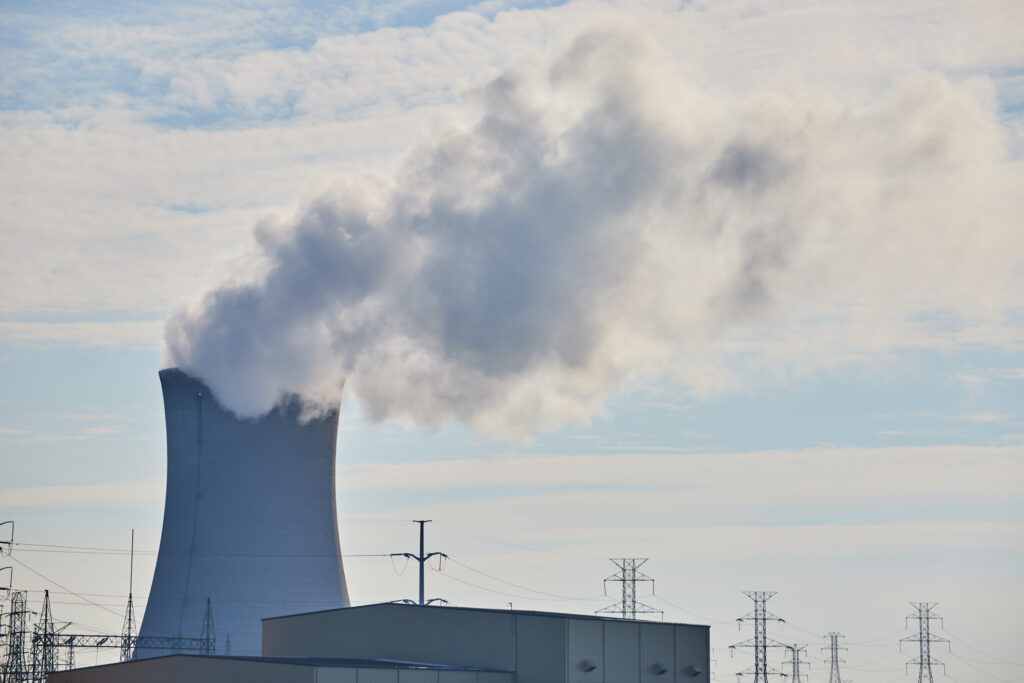
The geopolitical landscape of global energy is undergoing a significant transformation, driven by an accelerating alliance between two key players: Iran and Russia. Recent high-level discussions between Iranian and Russian nuclear energy officials signal a deepening strategic partnership that extends far beyond traditional oil and gas. For energy investors, understanding the implications of this expanding collaboration—from nuclear reactor development to resilient crude supply strategies—is crucial for navigating future market volatility and identifying emerging risks and opportunities. This analysis leverages OilMarketCap’s proprietary data to provide a forward-looking perspective on how this axis could reshape energy supply, demand, and pricing dynamics.
The Expanding Geopolitical Axis and Energy Infrastructure
The strategic alignment between Iran and Russia, both facing extensive Western sanctions, continues to solidify, with nuclear energy now at the forefront. This week, Mohammad Eslami, Director of the Atomic Energy Organization of Iran (AEOEI), engaged in comprehensive talks in Tehran with Nikolai Spassky, Deputy CEO for International Relations at Rosatom, Russia’s state-owned nuclear energy corporation. These discussions were a direct follow-up to Eslami’s visit to Moscow last month, where a pivotal memorandum of understanding (MoU) was signed, outlining cooperation in the construction of small nuclear power plants (SMRs) within Iran. This is a significant development, as SMRs offer modular, flexible power generation, potentially accelerating Iran’s nuclear energy ambitions.
Furthermore, the two nations have formalized their intent to collaborate on the ambitious Iran–Hormoz Nuclear Power Plant Project, a massive undertaking designed to feature four 1,250-megawatt reactors. This nuclear push builds upon earlier commitments made this year, including a comprehensive strategic partnership treaty in January. This treaty pledged to enhance energy sector cooperation, encompassing energy supply and swap operations, and follows Russian companies signing agreements to develop Iranian oilfields and ongoing discussions about creating a natural gas hub in the Islamic Republic. For investors, this integrated approach signifies a long-term commitment to building a parallel energy infrastructure less susceptible to Western influence, potentially altering future global energy flows.
Sanctions Efficacy and Iran’s Resilient Oil Strategy
Amidst its deepening ties with Russia, Iran remains defiant in the face of international sanctions. Following the re-enactment of UN sanctions at the end of September, adding to existing unilateral US measures, Iranian Oil Minister Mohsen Paknejad affirmed that the nation’s oil exports, particularly to China, would continue uninterrupted. He noted that years of severe restrictions from US sanctions have made the practical impact of the renewed UN measures relatively minor. This resilience in maintaining crude flows, despite external pressure, poses a persistent question for the global oil market: how much Iranian supply can consistently reach consumers outside traditional frameworks?
Our proprietary data indicates that OilMarketCap readers are keenly focused on global supply-side dynamics, with a frequent question being: “What are OPEC+ current production quotas?” While Iran operates outside the formal quota system due to sanctions, its ability to maintain significant export volumes directly impacts the global supply-demand balance that OPEC+ aims to manage. Should Iran’s partnership with Russia facilitate more robust and less traceable export routes, it could add a layer of complexity to future OPEC+ decisions on production levels. This independent, sanctions-defying supply is a material consideration for investors assessing the fundamental drivers of crude prices, especially when major producers attempt to tighten the market.
Volatile Crude Markets and Investor Outlook
The current market environment underscores the fragility of investor sentiment and the immediate impact of global events. As of today, Brent Crude trades at $90.38 per barrel, marking a significant daily decline of 9.07%, with prices fluctuating widely within a range of $86.08 to $98.97. Similarly, WTI Crude has seen a sharp drop of 9.41%, settling at $82.59, having traded between $78.97 and $90.34. This broad market weakness also extends to refined products, with gasoline prices down 5.18% to $2.93.
This daily volatility is not an isolated incident. Our 14-day Brent trend data reveals a substantial correction, with prices falling from $112.78 on March 30th to today’s $90.38, representing a nearly 20% depreciation. Such sharp declines, even from elevated levels, often prompt investors to question the future trajectory of crude. One prominent question from OilMarketCap readers is, “What do you predict the price of oil per barrel will be by end of 2026?” The deepening Iran-Russia energy alliance, particularly their ability to circumvent traditional market mechanisms and sanctions, introduces an additional layer of uncertainty into this long-term outlook. While their cooperation aims for energy independence, its geopolitical implications can either exacerbate supply concerns or, conversely, create new avenues for supply that could temper prices, depending on market perception and actual export volumes.
Navigating Upcoming Catalysts and Future Supply Dynamics
For investors charting the course of energy markets, the immediate future holds several critical catalysts. The upcoming OPEC+ Joint Ministerial Monitoring Committee (JMMC) meeting on April 19th, followed by the full OPEC+ Ministerial Meeting on April 20th, will be paramount. These gatherings could signal adjustments to production quotas or provide insights into the bloc’s strategy in response to current market conditions and global demand forecasts. Any decisions made here will directly influence short-to-medium term crude prices.
Beyond OPEC+, regular data releases will offer crucial insights. The API Weekly Crude Inventory reports on April 21st and 28th, alongside the EIA Weekly Petroleum Status Reports on April 22nd and 29th, will provide real-time snapshots of US supply-demand balances. These are essential for gauging inventory levels, refinery activity, and overall market tightness. Furthermore, the Baker Hughes Rig Count on April 24th and May 1st will indicate future production trends in North America. The long-term implications of the Iran-Russia nuclear and energy pact, including their gas hub discussions and oilfield development deals, suggest a potential for increased energy supply from these sanctioned nations to non-Western markets. This could subtly shift global energy dynamics, offering alternative supply avenues that might influence the effectiveness of future OPEC+ interventions or impact the investment thesis for companies like Repsol, which operate in a globally interconnected but increasingly fragmented energy market. As one reader asked, “How well do you think Repsol will end in April 2026?” Companies with diversified portfolios and strategic market access will be better positioned to weather the volatility inherent in this evolving geopolitical energy landscape.