The global energy landscape is undergoing a fundamental transformation, and a recent report from the International Energy Agency (IEA) underscores just how profound this shift has become. Highlighting the tangible benefits of renewable energy deployment, the IEA reveals that over 100 nations have significantly reduced their reliance on fossil fuel imports, translating into colossal savings and enhanced energy security. For astute oil and gas investors, these findings are not merely academic; they represent a critical re-evaluation point for portfolio strategy, long-term demand forecasts, and the valuation of traditional energy assets. This analysis dives into the implications of this structural change, marrying the IEA’s insights with current market dynamics and upcoming catalysts to provide a forward-looking perspective.
The Demand Shift: A New Reality for Fossil Fuels
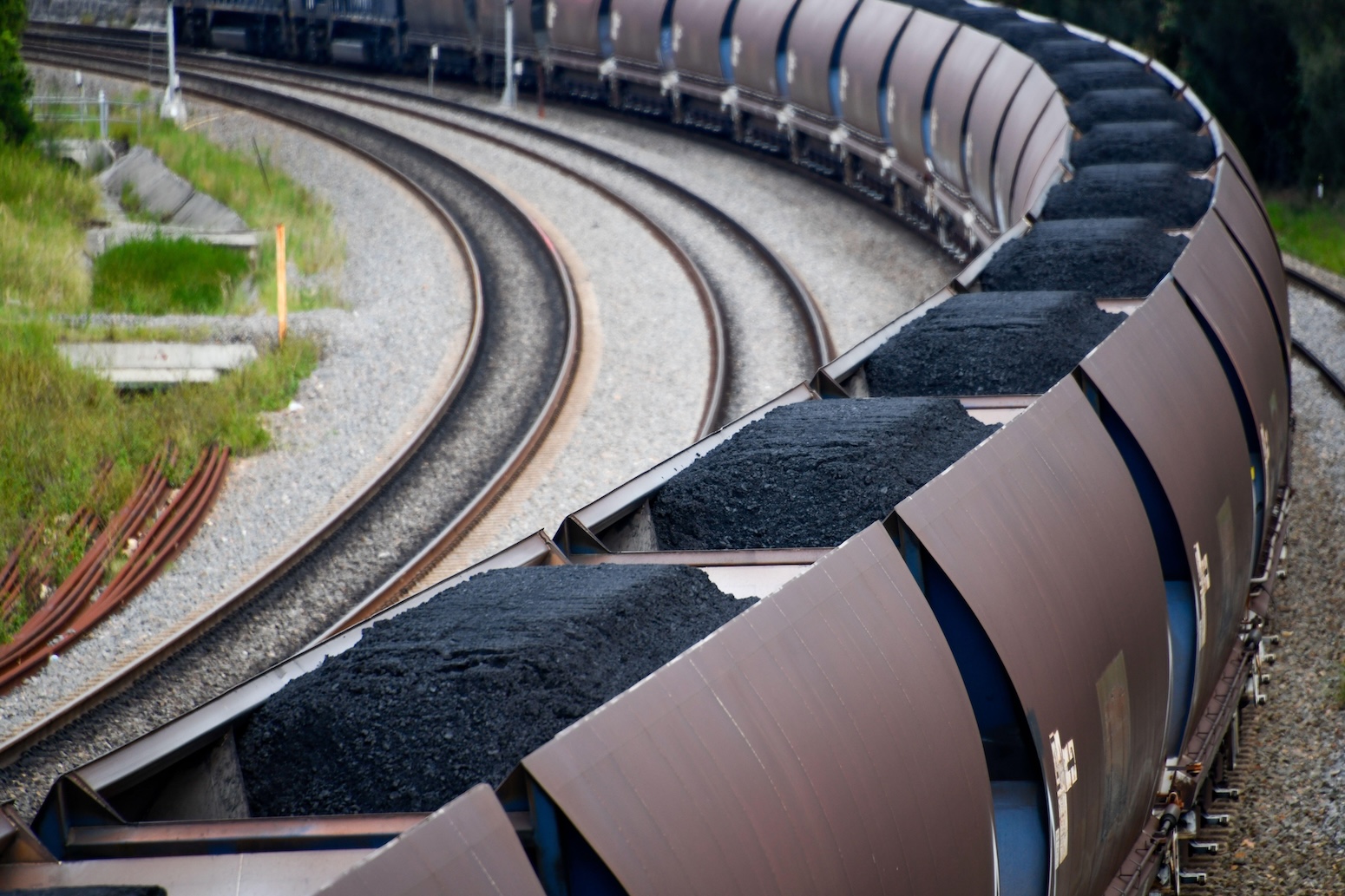
The IEA’s core finding is compelling: nations heavily dependent on energy imports, including economic powerhouses like the UK, Germany, and emerging markets such as Chile, have collectively cut their need for imported coal and gas by approximately one-third since 2010. Denmark stands out, having nearly halved its fossil fuel import reliance over the same period. This aggressive expansion of wind and solar capacity has allowed these countries to avoid importing an estimated 700 million tonnes of coal and 400 billion cubic meters of gas in 2023 alone – a volume equivalent to roughly 10% of global consumption. The financial impact is staggering, with these fuel-importing nations collectively saving over $1.3 trillion between 2010 and 2023, funds that would otherwise have been spent on overseas fossil fuel purchases.
While this IEA report reflects a long-term structural shift in demand, the immediate market reaction to current macroeconomic factors and geopolitical tensions remains highly dynamic. As of today, Brent Crude trades at $90.38 per barrel, marking a significant -9.07% decline within the day, with a range of $86.08 to $98.97. Similarly, WTI Crude stands at $82.59, down -9.41% for the day, oscillating between $78.97 and $90.34. This sharp downturn is a continuation of a broader trend, with Brent having fallen from $112.78 on March 30th to its current level, representing a $-22.4 or -19.9% drop over the last 14 days. Gasoline prices have also seen a notable dip, trading at $2.93, down -5.18%. While the IEA’s report points to a gradual erosion of demand from a specific segment, the recent price volatility underscores the multitude of factors influencing energy markets, from inventory levels to broader economic sentiment, yet the underlying current of reduced import dependency cannot be ignored by investors projecting future demand curves.
Energy Security and Economic Resilience: The Renewable Dividend
The strategic imperative behind this renewable build-out extends beyond mere cost savings. The IEA emphasizes that renewables inherently bolster energy supply security by generating power domestically, simultaneously enhancing the economic resilience of importing countries. This is particularly salient for nations with limited or dwindling indigenous energy resources. The world added approximately 2,500 gigawatts (GW) of wind, solar, and other non-hydropower renewable projects between 2010 and 2023. Remarkably, about 80% of this new capacity was installed in nations that rely on coal and gas imports for electricity generation, demonstrating a deliberate, strategic pivot. The report identifies 107 countries that have reduced their dependence on fossil fuel imports for electricity, with 38 cutting reliance by over 10 percentage points and eight by more than 30 percentage points. This direct impact on energy independence directly addresses a key concern for many investors, who are increasingly scrutinizing the long-term outlook for specific energy companies. For instance, questions our readers are asking, such as “How well do you think Repsol will end in April 2026?” and “What do you predict the price of oil per barrel will be by end of 2026?”, highlight the focus on how these macro trends translate into individual company performance and future commodity pricing. Companies with significant exposure to these diversifying nations may face headwinds, while those investing in renewable infrastructure or regions with persistent fossil fuel demand could see different trajectories.
OPEC+ and Market Volatility: Navigating Near-Term Headwinds
Against the backdrop of the IEA’s long-term demand insights and recent price declines, the upcoming energy calendar presents critical near-term catalysts for investors. The OPEC+ Joint Ministerial Monitoring Committee (JMMC) Meeting is scheduled for Sunday, April 19th, followed immediately by the OPEC+ Ministerial Meeting on Monday, April 20th. These meetings are pivotal. With Brent prices having dropped nearly 20% in two weeks, and the IEA report suggesting a structural reduction in demand from a significant bloc of nations, OPEC+ faces a complex decision-making environment. Our readers are actively seeking clarity, asking “What are OPEC+ current production quotas?” and these upcoming meetings will provide definitive answers. Any adjustments to production quotas will directly impact global supply, potentially counteracting or exacerbating the demand erosion highlighted by the IEA. Beyond OPEC+, the market will closely monitor the API Weekly Crude Inventory reports on April 21st and 28th, followed by the EIA Weekly Petroleum Status Reports on April 22nd and 29th. These inventory figures offer crucial insights into short-term supply-demand balances in the world’s largest consumer market. Finally, the Baker Hughes Rig Count on April 24th and May 1st will indicate future production trends in the US. Investors must weigh these immediate supply-side responses and inventory signals against the IEA’s longer-term demand shifts when positioning their portfolios.
Strategic Imperatives for Oil & Gas Investment
The IEA’s analysis includes a compelling counterfactual scenario: what if the global build-out of wind, solar, and other non-hydropower renewables had halted after 2010? In that alternate reality, the world would be significantly more reliant on fossil fuel imports, with the associated economic and security vulnerabilities. The fact that the world added 2,500 GW of new renewable capacity, largely in import-dependent nations, fundamentally alters the investment landscape for oil and gas. This trend forces oil and gas majors, as well as upstream and midstream companies, to adapt their long-term strategies. For investors, this means scrutinizing the diversification efforts of integrated energy companies, assessing the resilience of exploration and production (E&P) portfolios in the face of declining demand from key importing nations, and evaluating the long-term viability of infrastructure projects tied to fossil fuel transport and processing. The strategic imperative is clear: companies that can effectively navigate this transition by investing in decarbonization technologies, diversifying into cleaner energy solutions, or focusing on regions where fossil fuel demand remains robust and less susceptible to renewable displacement will likely outperform. The shift towards energy independence in over 100 nations is not a temporary blip; it is a foundational change requiring a re-evaluation of traditional investment paradigms in the oil and gas sector.