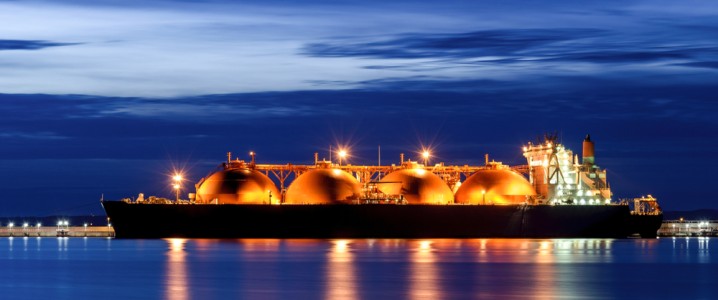
The energy investment landscape is perpetually shaped by project timelines, regulatory shifts, and evolving market dynamics. A recent development demanding investor attention is the significant delay announced for the Commonwealth LNG project in Cameron Parish, Louisiana. Originally slated for completion by 2027, the ambitious 9.5 million tons per annum (MTPA) liquefied natural gas facility is now targeting a 2031 operational start. This four-year deferment, attributed primarily to regulatory hurdles, sends a clear signal about the complexities and risks inherent in large-scale energy infrastructure investments, requiring a strategic re-evaluation from those eyeing the burgeoning global LNG market.
Regulatory Roadblocks Reshape LNG Investment Horizons
The revised timeline for Commonwealth LNG underscores the profound impact of policy and regulatory environments on capital-intensive energy projects. The company explicitly cited the temporary ban on new LNG capacity imposed by the previous administration as the primary driver for these delays. While this ban was subsequently reversed, the damage to the project’s schedule was already done, proving that even temporary policy shifts can have long-lasting effects on project economics and feasibility. For investors, this event serves as a potent reminder of regulatory risk, highlighting the need to factor potential governmental interventions and policy reversals into valuation models. The $11 billion first-phase cost and projected $3.5 billion in annual export revenues, while attractive, are now pushed back, altering the project’s internal rate of return and payback period significantly.
Market Volatility and the Long-Term LNG Supply Outlook
The announcement of Commonwealth LNG’s revised timeline arrives amidst a notably volatile energy market, adding another layer of complexity for investors. As of today, Brent crude trades at $90.38, representing a sharp 9.07% decline within the day, while WTI crude sits at $82.59, down 9.41%. This immediate market movement, following a significant 14-day trend where Brent shed nearly 20% from $112.78 to its current level, underscores the dynamic and unpredictable environment influencing long-term energy project viability and investor decision-making. The delay of such a substantial project means that 9.5 MTPA of U.S. export capacity will not enter the market until 2031, rather than 2027. This shift could tighten global LNG supply in the late 2020s, potentially supporting higher prices for existing and earlier-coming projects. However, it also opens the door for other projects globally to fill the void, creating a more competitive landscape by the time Commonwealth LNG becomes operational. Investors must weigh the implications of this altered supply-demand balance, considering how their LNG portfolio is positioned across different project timelines and geographies.
Investor Sentiment and Strategic Re-evaluation
The delay of a major project like Commonwealth LNG directly feeds into the market uncertainties that our investors are actively probing. Our proprietary intent data indicates a significant focus on future oil price trajectories, with many asking about predictions for crude by the end of 2026. Simultaneously, there’s keen interest in OPEC+ production quotas, highlighting a broader concern over global supply stability. These questions underscore the long-term investment horizon and the impact of regulatory shifts and project timelines on investor confidence. For those invested in companies supplying to or contracting with Commonwealth LNG, or those with broader exposure to U.S. LNG exports, this delay necessitates a re-evaluation of expected cash flows and project dependencies. Looking ahead, the upcoming OPEC+ Ministerial Meeting on April 19th will be a critical determinant of near-term crude supply strategy, and weekly inventory reports from API and EIA will offer fresh insights into demand. While these events directly impact crude, they set the macroeconomic backdrop against which LNG project viability is ultimately judged. A tighter crude market, for instance, could bolster the long-term case for natural gas as a transition fuel, even with project delays.
The Path to Final Investment Decision Amidst Delays
Despite the setback, Commonwealth LNG has made progress on securing long-term contracts, which is crucial for reaching a Final Investment Decision (FID). The project has committed 5 MTPA of its 9.5 MTPA capacity through deals with major players like Japan’s JERA, Malaysia’s Petronas, EQT, and Glencore. Additionally, project developer Kimmeridge has committed to offtake 2 MTPA, potentially bringing the total contracted volume to 7 MTPA and leaving 2.5 MTPA yet to be secured. The extended timeline to 2031 provides more time to finalize these remaining contracts and secure project financing, but it also exposes the project to potentially different market conditions and competitive pressures. Investors should monitor progress on these remaining contracts and the eventual FID, as these milestones will dictate the project’s ultimate financial viability and its contribution to the global energy supply. The resilience of U.S. LNG exports continues to be a key theme, but this incident highlights that even well-positioned projects are not immune to significant delays from external factors.


