The AI Boom’s Dual Impact: Sustained Energy Demand Meets Emerging Environmental Headwinds
The relentless expansion of artificial intelligence is fundamentally reshaping the global energy landscape. As datacenters proliferate to house the vast computational power required, their electricity demands are pushing grids to their limits, frequently necessitating the continued operation of fossil fuel plants even amidst aggressive clean energy targets. This sustained demand offers a compelling narrative for the oil and gas sector. However, a new and potentially significant environmental concern is emerging from these same facilities: the widespread use of Per- and Polyfluorofluoroalkyl Substances (PFAS), often dubbed “forever chemicals.” For energy investors, this presents a complex scenario, where robust demand drivers are increasingly coupled with escalating environmental, social, and governance (ESG) risks and regulatory uncertainty that could ripple through the entire supply chain.
Market Dynamics: AI Demand vs. Current Price Volatility
While the AI boom promises long-term energy demand, the immediate market picture reflects considerable volatility. As of today, Brent Crude trades at $90.38 per barrel, a notable decline of 9.07% over the last 24 hours, with its day range spanning from $86.08 to $98.97. Similarly, WTI Crude has fallen by 9.41%, settling at $82.59, after trading between $78.97 and $90.34. This sharp daily correction follows a significant downward trend, with Brent having shed $22.40, or nearly 20%, from its $112.78 high just two weeks ago on March 30th. This market turbulence underscores the myriad factors influencing crude prices, from geopolitical tensions and economic outlooks to supply-side decisions. While datacenter energy consumption provides a floor for demand, current price action highlights that broader macroeconomic and supply-side considerations remain paramount for short-term oil price movements. Gasoline prices have also seen a decrease, currently at $2.93, down 5.18%, signaling some relief at the pump amidst the broader energy commodity pullback.
PFAS: The Unseen Risk in the Digital Infrastructure Buildout
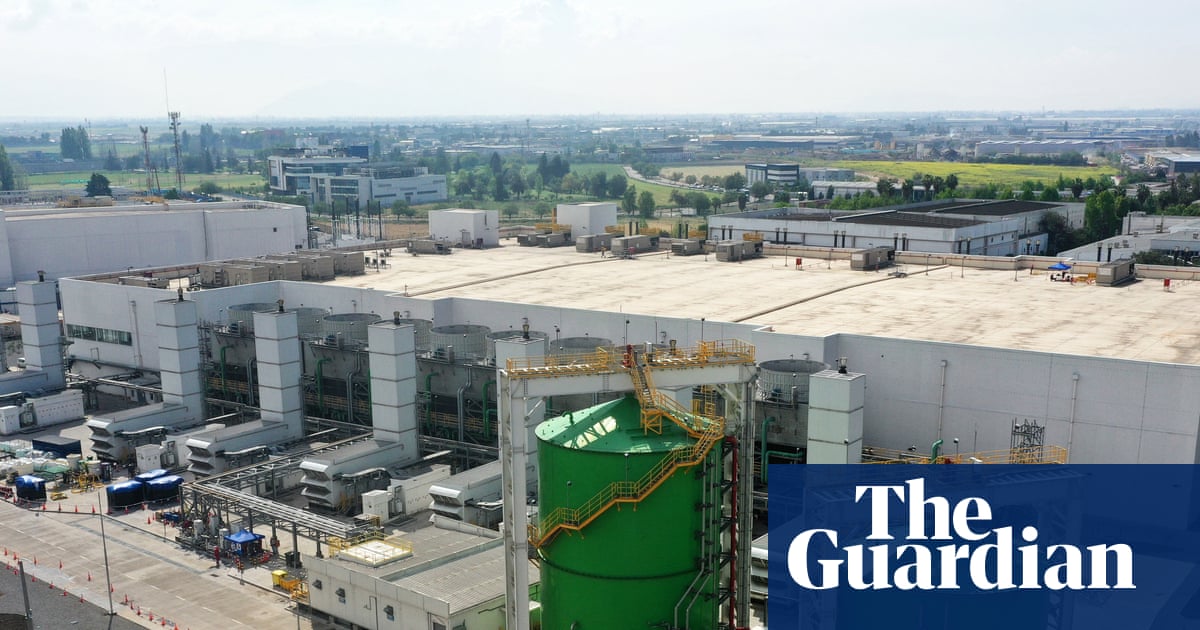
The escalating demand for datacenters, fueled by AI, brings with it a concerning environmental footnote: the proliferation of PFAS. These “forever chemicals,” numbering around 16,000 different compounds, are integral to datacenter operations, particularly in cooling equipment, and are heavily utilized in the manufacturing of semiconductors housed within these facilities. While the datacenter industry asserts minimal pollution, environmental advocates disagree, pointing to the known health risks associated with PFAS exposure, including cancer, birth defects, and kidney disease. Crucially, there is currently no mandatory reporting for PFAS usage or discharge, and a significant lack of comprehensive testing for air or water pollution related to these chemicals from datacenter operations. This regulatory vacuum creates an opaque risk environment for investors, as the full extent of the environmental liability remains largely unknown. The direct use of PFAS in datacenter operations, coupled with their presence in the vast quantities of semiconductors, suggests a two-pronged pollution pathway: direct emissions from facilities and indirect pollution from the supporting manufacturing ecosystem. This emergent issue adds a layer of ESG scrutiny to the entire digital infrastructure value chain, which in turn could impact the energy providers fueling it.
Regulatory Scrutiny and Forward-Looking Analysis
The regulatory landscape around PFAS is beginning to shift, signaling potential future liabilities and operational hurdles. Concerns intensified recently when the Environmental Protection Agency (EPA) announced it would fast-track the review of new PFAS and other chemicals used by datacenters. Furthermore, environmental groups are actively pushing for state legislation to mandate more robust reporting requirements. This proactive regulatory movement suggests that the “dangerously understudied” nature of datacenter PFAS pollution may soon change, leading to stricter controls and increased compliance costs. For energy investors, this evolving regulatory environment warrants close attention. A significant tightening of environmental regulations around datacenters could impact the pace of their expansion, potentially altering long-term electricity demand projections. Looking ahead, the upcoming OPEC+ Meeting on April 19th will be critical for understanding near-term supply dynamics, particularly in light of recent price drops and investor questions regarding production quotas. Any decisions on production levels will interact with the evolving demand picture, where the AI boom’s energy appetite could be tempered by environmental constraints and regulatory headwinds. Subsequent API and EIA inventory reports on April 21st, 22nd, 28th, and 29th, alongside Baker Hughes Rig Counts on April 24th and May 1st, will provide further data points on the supply-demand balance, which could be influenced by these emerging environmental factors impacting the technology sector’s energy footprint.
Addressing Investor Concerns: Navigating 2026 and Beyond
Our proprietary reader intent data reveals a keen focus among investors on future market trajectory, with questions like “what do you predict the price of oil per barrel will be by end of 2026?” dominating discussions. This reflects a broader appetite for understanding long-term energy market fundamentals amidst current volatility and emerging trends. The PFAS issue, while seemingly distant from crude oil futures, adds a critical dimension to these predictions. The AI boom unequivocally drives increased electricity demand, which in many regions translates to sustained demand for natural gas and other fossil fuels. However, should stringent PFAS regulations materialize, they could introduce significant delays, increased operational costs, or even limit the expansion of datacenter infrastructure. This would, in turn, temper projected energy demand growth from this sector. Investors are also closely monitoring the performance of integrated energy companies, evidenced by specific queries about individual company outlooks, which underscores the need for a comprehensive understanding of both macro energy trends and micro-level ESG risks. The interplay between the energy-intensive AI revolution and the burgeoning environmental scrutiny over its chemical footprint will be a defining factor for oil and gas investment performance in 2026 and beyond. Proactive monitoring of regulatory developments, coupled with a deep understanding of the energy needs and environmental challenges posed by the tech sector, will be paramount for informed investment decisions.


