MidOcean’s Strategic Canadian LNG Play Amidst Market Volatility
In a significant move reinforcing the strategic importance of liquefied natural gas (LNG) in the global energy transition, EIG Global Energy Partners’ MidOcean Energy has finalized agreements to acquire a substantial interest in Petronas’ Canadian upstream and LNG assets. This transaction positions MidOcean across an integrated value chain, from prolific natural gas reserves in the North Montney to a direct stake in the recently commissioned LNG Canada export facility. For investors navigating a dynamic energy landscape, this deal underscores a continued focus on securing long-term, diversified energy supplies, particularly those targeting high-growth Asian markets, even as crude oil prices experience notable fluctuations.
A Strategic Play in Canada’s Emerging LNG Landscape
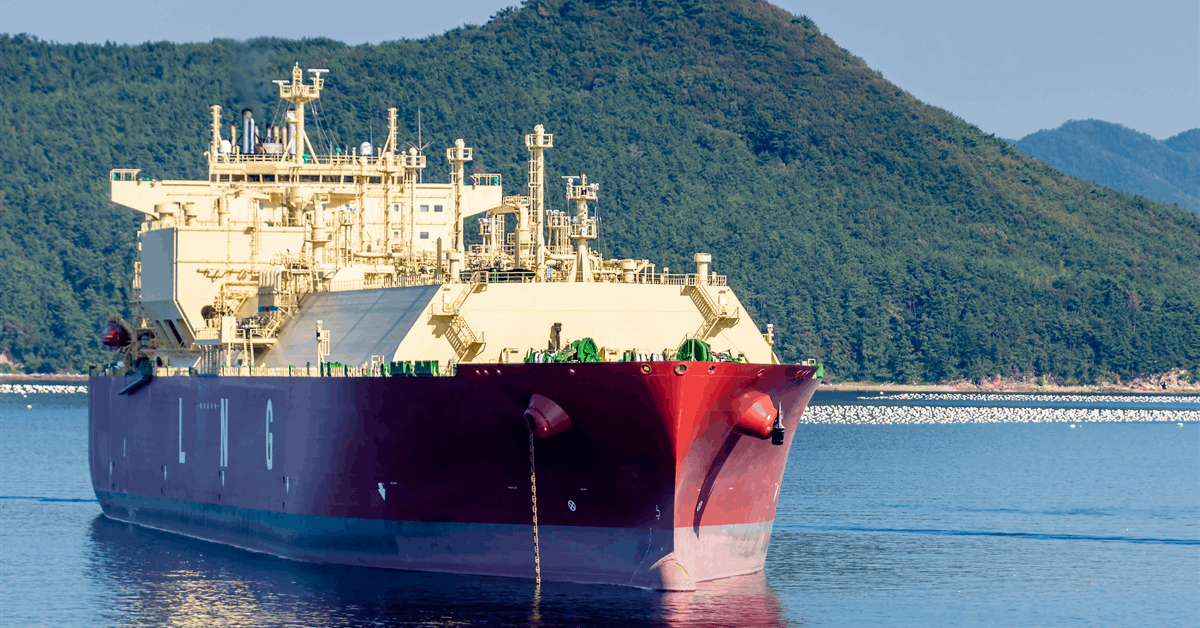
MidOcean Energy’s investment solidifies its footprint in Canada’s burgeoning LNG sector, securing a 20 percent interest in the North Montney Upstream Joint Venture (NMJV) and an equivalent 20 percent stake in the North Montney LNG Limited Partnership (NMLLP). Critically, the NMLLP holds Petronas’ 25 percent participating interest in the landmark LNG Canada project. This integrated approach grants MidOcean access to over 800,000 gross acres of mineral rights within the North Montney, boasting an impressive 53 trillion cubic feet of reserves and contingent resources. Downstream, the investment connects directly to the LNG Canada facility in Kitimat, British Columbia, a venture that recently dispatched its first cargo in June, formally establishing Canada as a new player in the global LNG export arena. With an initial capacity of 14 million metric tons per annum (MMtpa) from its two trains, LNG Canada is strategically oriented to serve the robust demand in the Asian market. MidOcean will secure an associated LNG volume of 0.7 MMtpa, with significant potential for growth should the planned Phase II expansion, which would double the facility’s capacity, proceed.
Navigating Volatility: LNG’s Resilience Amidst Crude Market Swings
The timing of MidOcean’s strategic investment warrants close examination, particularly against the backdrop of recent movements in the crude oil market. As of today, Brent crude trades at $90.38, marking a notable 9.07% decline within the day, with its price range fluctuating between $86.08 and $98.97. This daily dip follows a more significant trend over the past two weeks, where Brent has shed nearly 20% of its value, falling from $112.78 on March 30th to its current level. This pronounced volatility in crude prices highlights the inherent differences in market dynamics between oil and natural gas, especially LNG. While crude markets react swiftly to geopolitical events and short-term supply/demand imbalances, long-term LNG projects like Canada’s are often underpinned by multi-decade contracts and structural demand growth, particularly from industrializing Asian economies seeking cleaner energy sources. For investors, this integrated LNG asset offers a degree of insulation from the more capricious movements of the crude market, providing a diversified revenue stream tied to global gas fundamentals rather than just oil.
Forward Momentum: Upcoming Events and Long-Term Outlook for Global Energy
The broader energy investment landscape remains highly sensitive to key upcoming events, which could further shape the valuation and strategic appeal of assets like LNG Canada. Just around the corner, investors are keenly awaiting the OPEC+ Full Ministerial Meeting scheduled for April 19th. The outcome of this meeting, particularly any decisions regarding production quotas, holds the potential to significantly impact global crude supply and, by extension, influence the overall sentiment in the energy sector. While weekly inventory reports from the API and EIA, scheduled for April 21st and 22nd respectively, offer important short-term market cues, it is the strategic, long-term decisions from major producers and the sustained growth in LNG demand that will truly dictate the trajectory of large-scale projects. The potential for LNG Canada’s Phase II expansion, which would double its export capacity, stands as a testament to the long-term confidence in global gas demand, positioning the facility to capitalize on future shifts in energy consumption patterns and regional supply needs.
Addressing Investor Concerns: Stability and Growth in a Dynamic Market
Our proprietary reader intent data reveals a consistent theme among investors this week: a pronounced interest in long-term price stability and the strategic outlook for key energy commodities. Queries like “what do you predict the price of oil per barrel will be by end of 2026?” and “What are OPEC+ current production quotas?” clearly indicate a desire for clarity amidst market uncertainties. MidOcean’s investment in an integrated Canadian LNG project directly addresses these concerns. By securing upstream gas resources alongside downstream liquefaction and export capacity, MidOcean is building a resilient portfolio designed for stability and predictable growth. This strategy minimizes exposure to volatile spot prices by leveraging long-term contracts and a diversified supply chain. Furthermore, this move follows MidOcean’s earlier preliminary deal for a 30 percent stake in Energy Transfer’s planned Lake Charles LNG in Louisiana, signaling a robust commitment to building a diversified LNG business across both Atlantic and Pacific basins. For investors seeking assets with robust fundamentals and insulation from short-term market noise, integrated LNG projects like this represent a compelling proposition, offering a strategic hedge and long-term value creation in the evolving global energy mix.


