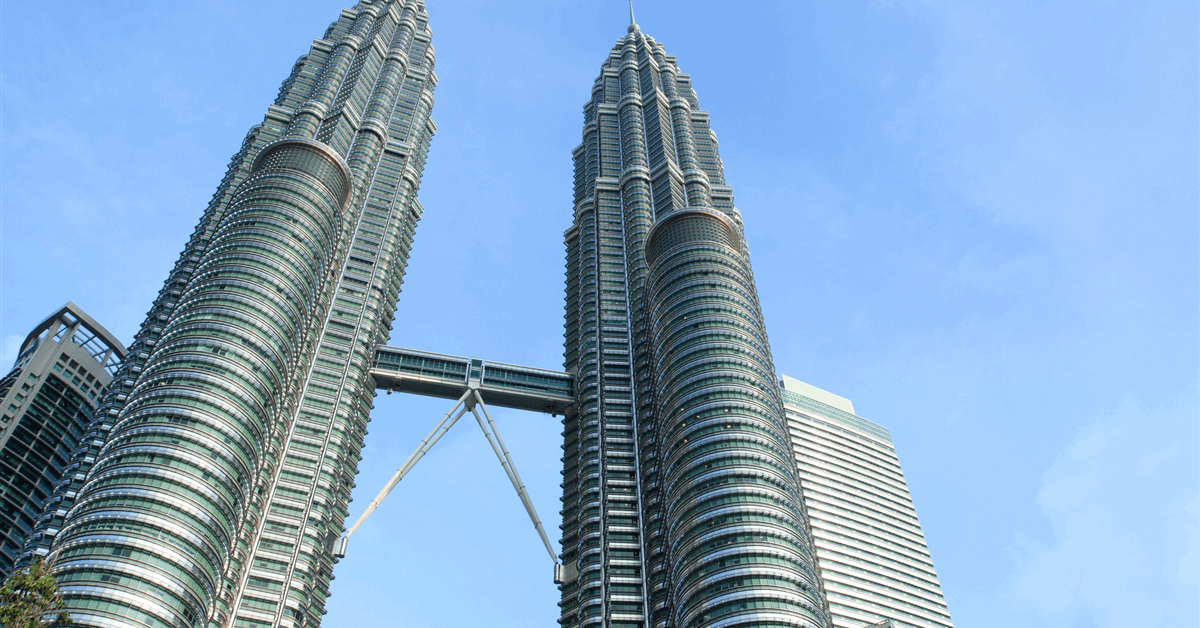
Petronas, a formidable player in the global oil and gas arena, is making a definitive strategic pivot that warrants close attention from energy investors. The launch of its Center for Offshore Renewable Energy (CEFORE) in collaboration with Universiti Malaysia Terengganu (UMT) is not merely a corporate social responsibility initiative; it represents a calculated move to diversify revenue streams and future-proof its portfolio in an increasingly complex energy landscape. This initiative, touted as one of the world’s first integrated models combining offshore wind, solar, wave energy, and advanced storage, signals a profound commitment to the energy transition and offers a compelling lens through which to evaluate the future trajectory of integrated energy majors.
Petronas’s Strategic Diversification Amidst Market Volatility
The timing of Petronas’s deep dive into integrated offshore renewables is particularly pertinent given the current state of the global energy market. As of today, Brent Crude trades at $90.38 per barrel, reflecting a sharp 9.07% decline within a single trading session, with its day range stretching from $86.08 to $98.97. This daily volatility compounds a more significant trend, as Brent has shed nearly 20% from $112.78 on March 30th to its current level. Such dramatic price swings underscore the inherent risks and unpredictability of relying solely on hydrocarbon production. For an integrated energy giant like Petronas, investing in CEFORE represents a strategic imperative to de-risk its long-term outlook. This proof-of-concept facility off Kuala Terengganu, designed to harness multiple renewable sources along with on-site energy storage, provides a tangible example of how established oil and gas players are actively seeking to build more resilient business models. It aligns directly with Malaysia’s National Energy Transition Roadmap (NETR), demonstrating a forward-thinking approach that aims to secure sustainable energy production and reduce carbon intensity, thereby creating a more stable and predictable asset base for future generations of investors.
Integrated Offshore Renewables: A Future-Proof Investment Thesis?
The concept behind CEFORE, an integrated model leveraging offshore wind, solar, and wave energy, distinguishes it from conventional single-source renewable projects. This “mixed renewable energy” approach aims for continuous power generation, mitigating the intermittency challenges often associated with individual renewable technologies. Investors are constantly probing the long-term viability of energy assets, with a prevailing question among our readers being: “What do you predict the price of oil per barrel will be by the end of 2026?” This query reflects a broader uncertainty about the future of traditional hydrocarbons. Petronas’s investment in CEFORE offers a partial answer to such concerns, signaling a strategic hedge against potential future declines or increased volatility in crude prices. By demonstrating the feasibility of an integrated, offshore renewable power solution, Petronas is not just developing new energy sources; it’s cultivating a new investment thesis. The involvement of technology partners like Arema Energies, Schneider Electric, Citaglobal, and Honeywell further validates the technical and commercial ambition of the project, indicating strong industry backing that can accelerate its scalability and impact. This collaborative ecosystem is crucial for proving the economic viability of such innovative, capital-intensive ventures.
Cultivating Talent and Community Value in the Energy Transition
Beyond its technical ambitions, CEFORE is strategically positioned as a hub for talent development and community engagement, critical elements for long-term sustainable growth and investor appeal. Petronas, in partnership with Universiti Malaysia Terengganu and Institut Teknologi Petroleum Petronas (INSTEP), aims to enhance renewable energy capabilities and prepare a skilled workforce for the evolving energy sector. This focus on human capital development addresses a key challenge in the global energy transition: the need for specialized expertise in nascent renewable technologies. From an investment perspective, companies that proactively invest in talent pipelines for future energy systems are better positioned for sustained innovation and operational excellence. Furthermore, CEFORE’s commitment to creating economic opportunities for local communities, notably by providing free renewable energy-powered ice-making and cold storage facilities for fishermen, enhances its Environmental, Social, and Governance (ESG) credentials. Such initiatives demonstrate a holistic approach to sustainability that extends beyond carbon reduction, fostering social license to operate and building long-term stakeholder value, factors increasingly scrutinized by institutional investors.
Forward-Looking Implications and Upcoming Market Catalysts
The strategic implications of Petronas’s CEFORE initiative extend far beyond Malaysian shores, offering a blueprint for other national oil companies navigating the energy transition. As we look ahead, the broader energy market will continue to be shaped by critical events that influence both hydrocarbon and renewable investment decisions. The upcoming OPEC+ Meeting on April 19th will be a pivotal moment, as ministers gather to discuss production quotas. The outcome of this meeting could significantly impact global crude supply and prices, potentially reinforcing the urgency for diversification among major producers. Similarly, the regular cadence of API and EIA Weekly Crude Inventory reports on April 21st and 22nd, respectively, along with the Baker Hughes Rig Count on April 24th, will provide continuous short-term signals about market balances. While these events primarily focus on traditional hydrocarbons, they collectively underscore the inherent volatility and geopolitical sensitivities of the oil market. For investors asking about OPEC+’s current production quotas, Petronas’s move into offshore renewables is a clear signal that the company is proactively building a portfolio designed to thrive irrespective of short-term crude supply decisions. This foresight, coupled with a commitment to integrated renewable solutions, positions Petronas as a compelling long-term player in the evolving global energy landscape, aiming to capture growth in decarbonized markets while managing the risks of a fluctuating oil sector.


