BP Forges Ahead in Gulf of Mexico: A Long-Term Bet Amidst Short-Term Headwinds
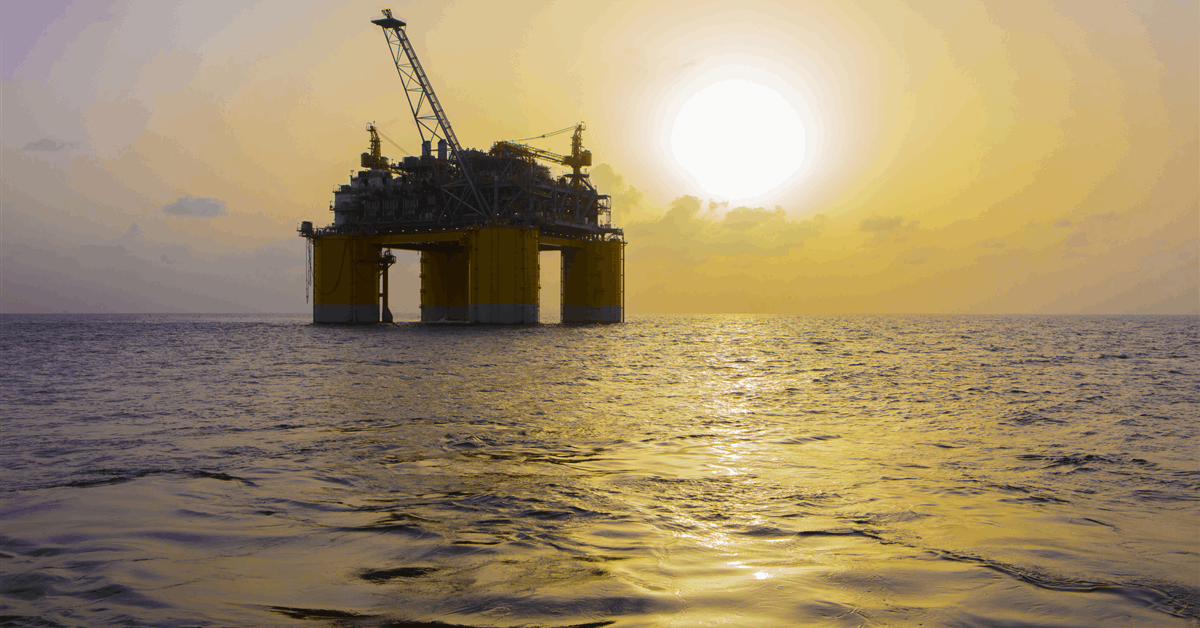
In a decisive move underscoring its long-term commitment to deepwater oil production, BP has announced a Final Investment Decision (FID) for the Tiber-Guadalupe project in the U.S. Gulf of Mexico. This substantial undertaking, involving a $5 billion investment, will see the construction of BP’s seventh operated Gulf platform, dubbed Tiber, with an impressive production capacity of 80,000 barrels per day. Slated to come onstream in 2030, this project, alongside the ongoing Kaskida development, is set to significantly bolster BP’s Gulf of Mexico output to over 400,000 barrels of oil equivalent per day. For investors, this decision signals BP’s strategic resilience and confidence in the enduring value of high-quality, long-cycle assets, even as the global energy market grapples with pronounced volatility.
Deepwater Investment Against a Shifting Price Landscape
BP’s commitment to Tiber-Guadalupe stands out particularly given the current crude oil price environment. As of today, Brent crude trades at $90.38 per barrel, reflecting a sharp 9.07% decline within a single day, and a substantial 19.9% drop over the past two weeks from $112.78. WTI crude has followed a similar trajectory, currently priced at $82.59, down 9.41% today. This significant market correction provides a stark backdrop for a $5 billion investment in a project not expected to produce for another six years. The Tiber-Guadalupe development targets approximately 350 million barrels of oil equivalent in recoverable resources in its initial phase, comprising six wells at Tiber and a two-well tieback at Guadalupe. This decision highlights BP’s conviction that the fundamental supply-demand dynamics will support robust crude prices in the long run, validating investments in projects with extended development cycles. It’s a clear signal that while short-term price fluctuations can create headwinds, the strategic imperative of securing future production remains paramount for integrated energy majors.
Leveraging Paleogene Potential and Operational Efficiencies
The Tiber-Guadalupe project is positioned in the prolific Paleogene formation, specifically within the Keathley Canyon area, alongside the Kaskida field. BP’s executive vice president for production and operations, Gordon Birrell, emphasized that this development represents a significant step in unlocking the Paleogene’s potential, building on decades of experience in the region. A critical aspect of this investment lies in its focus on cost efficiencies and leveraging existing infrastructure and design expertise. BP estimates that Tiber project development costs will be around $3 per barrel lower than Kaskida, thanks to utilizing over 85 percent of Kaskida’s design. This synergy demonstrates a disciplined approach to capital allocation, mitigating risks inherent in major deepwater ventures. Beyond Tiber-Guadalupe, BP’s operational footprint in the Gulf is robust, with five producing platforms and non-operating stakes in several others. The recent start of production at the Argos Southwest Extension in August, adding 20,000 bpd, and the ongoing Atlantis Drill Center I Expansion, with an anticipated 15,000 boed capacity, further illustrate BP’s strategic, incremental growth strategy within this key basin. These integrated efforts underscore a coherent plan to maximize asset value and operational efficiency across its Gulf of Mexico portfolio.
Investor Focus: Long-Term Value vs. Immediate Market Gyrations
Investors are keenly observing how energy companies balance long-term growth ambitions with immediate market volatility. Our reader intent data reveals a strong interest in “what do you predict the price of oil per barrel will be by end of 2026?” and “What are OPEC+ current production quotas?”. BP’s FID on Tiber-Guadalupe directly addresses these longer-term value propositions. While the current market sees significant price corrections, BP’s investment signals confidence in a rebound and sustained demand by 2030. For shareholders, this project contributes to a predictable future production profile, providing potential insulation against short-term market noise. The substantial recoverable resources of 350 million boe from Tiber-Guadalupe, coupled with Kaskida’s 275 million boe, represent significant additions to BP’s reserves, enhancing its valuation metrics over the coming decade. This commitment demonstrates that BP is not merely reacting to day-to-day price movements but is instead executing a strategic vision aimed at securing future energy supplies and delivering consistent returns from world-class assets.
Forward Catalysts and Market Dynamics to Watch
Looking ahead, several key events on the energy calendar will shape the immediate future of crude oil prices and influence sentiment around long-term investments like Tiber-Guadalupe. This Sunday, April 19, the OPEC+ Full Ministerial Meeting is scheduled. Investors will be closely watching for any adjustments to current production quotas, as these decisions can significantly impact global supply and price stability. Changes from this influential group could either exacerbate current price declines or offer a floor. Further insights into market dynamics will come from the API Weekly Crude Inventory report on April 21, followed by the EIA Weekly Petroleum Status Report on April 22. These reports provide crucial data on U.S. crude stockpiles and demand, which are vital indicators for short-term price movements. Additionally, the Baker Hughes Rig Count on April 24 will offer a snapshot of drilling activity, indicating future supply trends. For BP, while the Tiber-Guadalupe project is years away from production, the prevailing market conditions and upcoming policy decisions will influence the broader investment landscape, affecting capital availability and the perceived risk-reward profile of such ambitious deepwater developments. Monitoring these catalysts is essential for understanding the evolving environment in which BP is making its multi-billion dollar bets.


