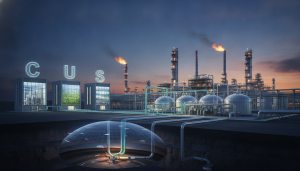
The global energy landscape is undergoing a profound transformation, with carbon capture, utilization, and storage (CCUS) emerging as a pivotal component of the transition. A recent milestone in Norway, the launch of Carbon Centric’s Rakkestad plant, underscores the tangible progress and burgeoning investment opportunities in this sector. As the world’s first operational waste incineration plant equipped for full carbon capture, and Norway’s first such facility outside the government’s Longship project, Rakkestad represents more than just an engineering feat; it signals the maturation of a critical green industry. For investors navigating the complexities of traditional energy markets, this development offers a compelling look at diversification and long-term growth in the decarbonization economy.
The Rakkestad Milestone: Pioneering a New Carbon Economy
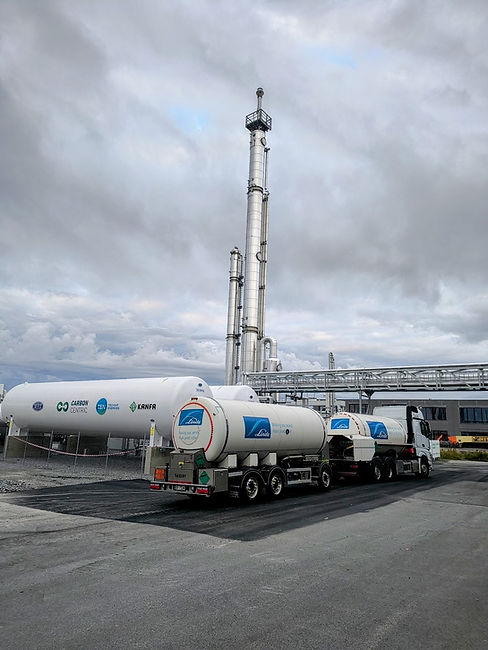
Carbon Centric’s new Rakkestad plant is a landmark achievement, demonstrating the practical viability and commercial potential of advanced carbon capture technology. This facility, operating at a waste-to-energy incineration plant, is designed to capture approximately 10,000 tonnes of CO2 annually. Crucially, the captured gas is not merely sequestered but recycled into a high-value, food-grade raw material for various industries, reflecting an innovative approach to resource management and circular economy principles. The plant is currently undergoing certification by DNV to comply with FSSC 22 000, underscoring its commitment to quality and safety standards for industrial application. This successful deployment validates the technology and provides a blueprint for scalable solutions, positioning Carbon Centric as a front-runner in the Nordic carbon capture market. For astute investors, the operational success of Rakkestad offers concrete evidence of a viable pathway for generating returns in the nascent carbon industry, moving beyond speculative R&D into revenue-generating operations.
Navigating Market Headwinds: Carbon Capture as a Stabilizing Force
Investors in the energy sector are acutely aware of the market’s inherent volatility. As of today, Brent Crude trades at $90.38, marking a significant 9.07% decline from its previous close, with its day range spanning $86.08 to $98.97. Similarly, WTI Crude has fallen to $82.59, down 9.41%, fluctuating between $78.97 and $90.34. This downturn is part of a broader trend, with Brent Crude having shed nearly 20% over the past two weeks, dropping from $112.78 on March 30th to its current level. This dramatic shift highlights the ongoing sensitivity of crude prices to geopolitical events, supply-demand dynamics, and global economic indicators. In contrast to this traditional market turbulence, investments in carbon capture offer a distinct value proposition. While not immune to broader economic forces, the growth drivers for CCUS are fundamentally different, rooted in long-term regulatory mandates, corporate ESG commitments, and the increasing demand for verifiable decarbonization solutions. This divergence presents an opportunity for investors to hedge against the inherent fluctuations of fossil fuel markets by allocating capital to an emerging sector with a more predictable, policy-driven growth trajectory.
Future Catalysts: Upcoming Events and Investor Priorities
The coming weeks present several key events that will undoubtedly influence traditional energy markets. The OPEC+ Ministerial Meeting scheduled for April 19th is a critical date, where decisions on production quotas could significantly impact crude prices, a point that consistently surfaces in investor inquiries, with many asking about current OPEC+ production levels. Similarly, the API and EIA weekly inventory reports throughout April and May, alongside the Baker Hughes Rig Count updates, will offer fresh insights into supply and demand dynamics. Investors are keenly watching these indicators, often asking for oil price predictions for the end of 2026, reflecting a desire to understand long-term market direction amidst current volatility.
Against this backdrop of traditional energy market catalysts, the carbon capture sector has its own set of forward-looking milestones. The official inauguration of the Rakkestad plant on October 16, 2025, while an invite-only event, will serve as a significant public relations moment, drawing further attention to the operational success of this pioneering facility. Beyond Rakkestad, Carbon Centric is already developing its next project: a bio-energy carbon capture (BECCS) plant at Kirkenær with Solør Bioenergi. This larger-scale project aims to capture approximately 32,000 tonnes of biogenic CO2 annually. Crucially, the Kirkenær project is anticipated to begin producing carbon dioxide removal certificates (CDRs) from 2028. This transition from CO2 utilization to verifiable carbon removals represents a critical evolutionary step for the carbon capture industry, opening up new revenue streams and investment vehicles tied directly to climate mitigation targets. For investors seeking long-term value and aligning with sustainability goals, these upcoming developments provide clear signposts for sustained growth in the decarbonization sector.
Expanding Horizons: From CO2 as Resource to Carbon Removals as Asset
Carbon Centric’s strategic evolution, from supplying recycled CO2 to industry to becoming a provider of high-quality carbon removals, highlights a critical trend within the carbon capture investment landscape. The Rakkestad plant exemplifies the ‘utilization’ aspect, transforming waste CO2 into a valuable industrial raw material. This approach offers a direct economic incentive for capture, creating a market for what was once considered a pollutant. However, the Kirkenær BECCS project, with its focus on generating CDRs, elevates the investment thesis significantly. Carbon Dioxide Removal certificates represent a distinct and increasingly valued asset class, particularly for corporations striving to achieve net-zero emissions targets. These certificates provide a verifiable mechanism for offsetting unavoidable emissions, and their market value is expected to appreciate as regulatory pressures intensify and voluntary corporate commitments expand. Investing in projects like Kirkenær offers exposure to a future market where carbon removals will be a premium commodity, driven by global climate imperatives. This dual strategy — addressing industrial demand for CO2 while also creating quantifiable carbon removal credits — provides a robust and diversified investment pathway within the burgeoning carbon economy.