Woodside’s H2Perth Project: A Strategic Leap in the Global Hydrogen Economy
Woodside Energy Group’s recent Memorandum of Understanding (MoU) with Japan Suiso Energy (JSE) and Kansai Electric Power Co (KEPCO) marks a pivotal step in establishing a robust liquid hydrogen supply chain between Australia and Japan. This collaboration, centered on Woodside’s proposed H2Perth project in Western Australia, underscores a growing commitment from major energy players to accelerate the energy transition and decarbonize industrial and power generation sectors. For investors, this partnership represents a calculated move to de-risk a significant capital expenditure project while tapping into the burgeoning demand for clean energy in Asia, particularly from Japan’s energy-intensive economy.
H2Perth: Engineering a Future-Proof Energy Supply Chain
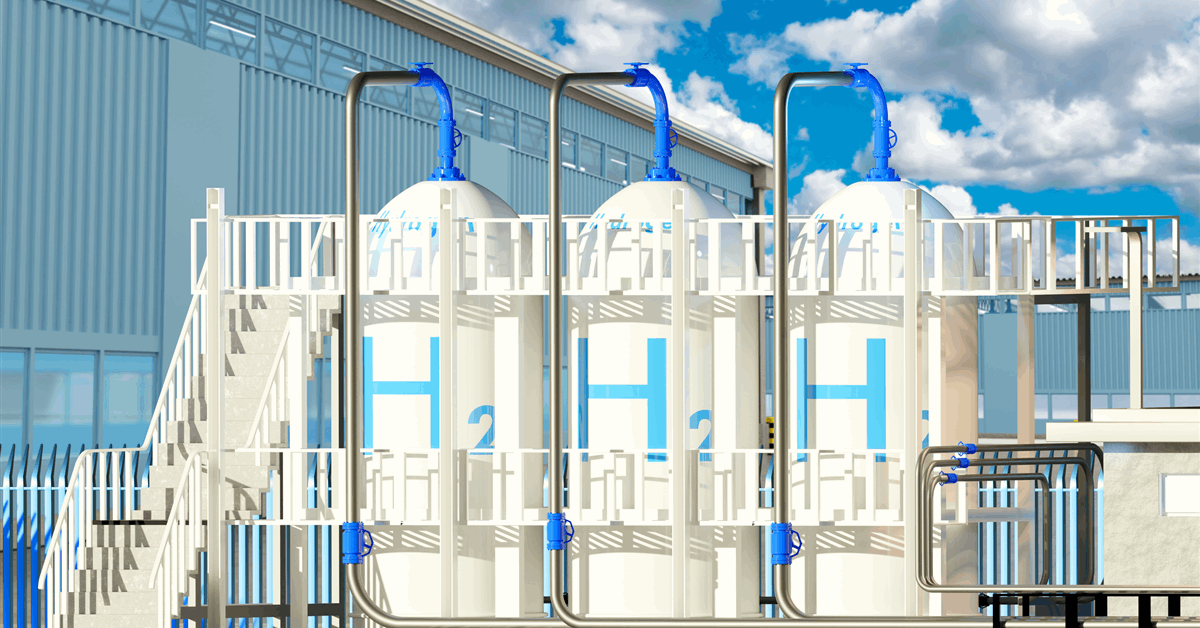
The H2Perth project is envisioned as a cornerstone of Australia’s emerging hydrogen export capability. Located within Perth’s Rockingham and Kwinana Industrial Zones, the facility targets an initial production capacity of 100 metric tons per day (tpd) of liquid hydrogen. Crucially, the hydrogen will be produced by reforming natural gas, with a strong commitment to carbon capture and storage (CCS) technology. Any remaining emissions from the facility are slated to be offset through carbon credits, aligning the project with broader environmental goals and demonstrating a pragmatic approach to emissions reduction in the transition phase. This strategy addresses both energy security and environmental stewardship, a key concern for long-term investors in the energy sector.
Notably, the project’s scope has evolved from an initial focus on ammonia and hydrogen ammonia production, a revision Woodside attributes to “market feedback.” This adaptability highlights the dynamic nature of the nascent hydrogen market and Woodside’s responsiveness to commercial signals. The project is currently in the technical design stage, with an information sheet outlining these plans published in August 2025. Complementing H2Perth, Woodside is also developing the Hydrogen Refueller @H2Perth project nearby, featuring a 2.6-megawatt electrolyzer targeting startup in 2026. This smaller facility, scalable from 0.235 tpd to approximately one tpd, aims to supply heavy vehicles and passenger cars, acting as an early-stage testbed and local market builder for hydrogen mobility solutions.
Navigating Volatile Crude Markets Amidst the Energy Transition
The strategic push into hydrogen by companies like Woodside occurs against a backdrop of significant volatility in traditional energy markets. As of today, Brent crude trades at $90.38, reflecting a sharp 9.07% decline within the day’s trading range of $86.08 to $98.97. Similarly, WTI crude has fallen to $82.59, down 9.41%, with its daily range spanning $78.97 to $90.34. This downturn is part of a broader trend, with Brent having shed nearly 20% in just two weeks, falling from $112.78 on March 30th. Gasoline prices are also feeling the pressure, currently at $2.93, down 5.18%.
Such pronounced market swings in conventional fuels underscore the imperative for diversification and long-term energy solutions. For investors, the H2Perth project offers a hedge against the unpredictable nature of crude markets, providing exposure to the growing demand for clean energy. While traditional oil and gas revenues continue to fund these transitional projects, sustained crude price volatility could either intensify the urgency for diversification or, conversely, tighten capital allocation for new, large-scale ventures. Understanding this interplay between short-term market dynamics and long-term strategic investments is crucial for a balanced portfolio in the energy sector.
Upcoming Catalysts and Hydrogen’s Long-Term Trajectory
The near-term energy calendar presents several events that, while primarily focused on crude oil, will undoubtedly shape the broader investment sentiment impacting hydrogen projects. This Sunday, April 19th, the OPEC+ Ministerial Meeting will be a critical watchpoint for any adjustments to production quotas. Decisions made here could influence crude price stability and, by extension, the capital available for energy transition projects. Subsequent data releases, including the API Weekly Crude Inventory on April 21st and 28th, and the EIA Weekly Petroleum Status Report on April 22nd and 29th, will provide further insights into short-term supply and demand dynamics in the petroleum market. Additionally, the Baker Hughes Rig Count on April 24th and May 1st will offer an indication of upstream activity levels.
While these events don’t directly impact hydrogen project economics, they contribute to the overall investment climate. A stable and predictable traditional energy market can provide the necessary financial bedrock for companies like Woodside to pursue ambitious hydrogen ventures. Conversely, sustained volatility might encourage investors to increasingly seek out long-term, decarbonized energy assets. The multi-year development timeline for projects like H2Perth (with key shipping solutions targeted for 2030) means their ultimate success hinges less on weekly crude inventory reports and more on sustained policy support, technological advancements, and robust international partnerships.
Investor Focus: De-risking Hydrogen Investments and Long-Term Value Creation
Our proprietary reader intent data reveals a significant interest among investors in understanding the future of energy, particularly questions like “what do you predict the price of oil per barrel will be by end of 2026?” This signals a desire for clarity on the long-term energy landscape and where capital should be allocated. For hydrogen projects, de-risking strategies are paramount given the scale of investment and the nascent nature of the market.
Woodside’s approach exemplifies this de-risking strategy through strategic partnerships and a phased development plan. Beyond the recent MoU with JSE and KEPCO, Woodside has been actively forging alliances across the hydrogen value chain. In February 2024, it penned a non-binding MoU with Japan’s Mitsui OSK Lines, South Korea’s HD Korea Shipbuilding & Offshore Engineering, and Hyundai Glovis Co Ltd to study an integrated marine transport system for liquid hydrogen, targeting an ~80,000m3 shipping solution by 2030. Prior to this, in 2020, Woodside engaged with JERA Co Inc, Marubeni Corp, and IHI Corp on a joint hydrogen feasibility study. These collaborations, alongside a 2019 agreement with Korea Gas Corp, demonstrate a systematic effort to build a comprehensive hydrogen ecosystem, from production and liquefaction to shipping and end-use markets. Such extensive international collaboration is not just about sharing capital, but also about pooling expertise, mitigating technical and market risks, and ensuring off-take agreements, all of which are critical for delivering long-term value for shareholders in this emerging energy frontier.


