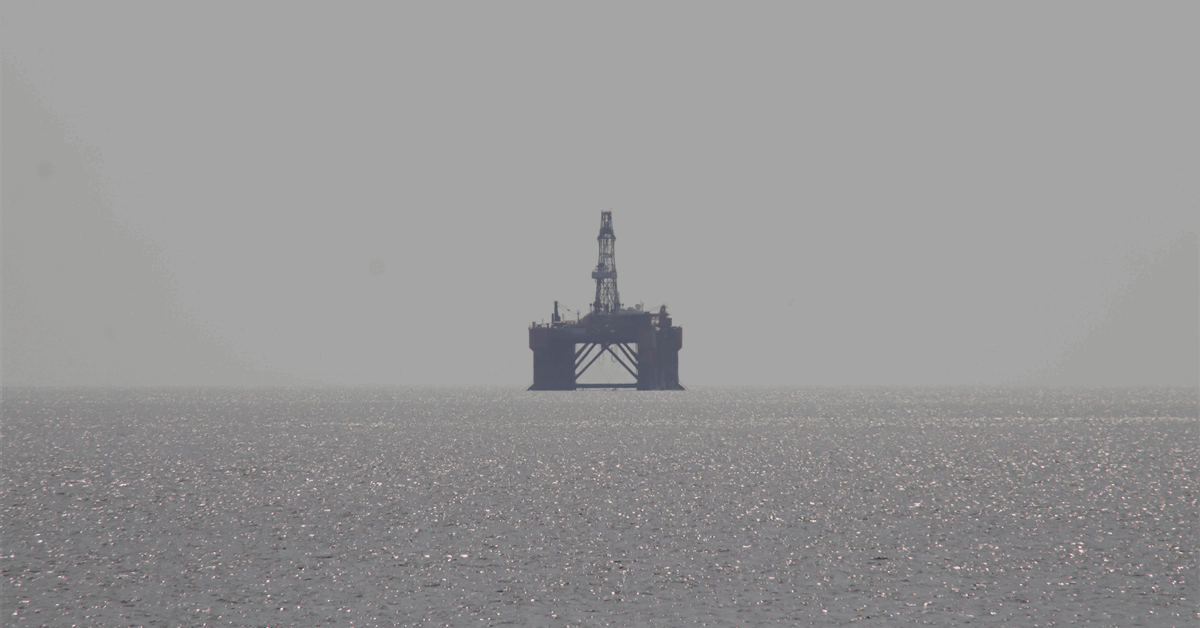
In a significant move for European energy security, Norway’s Offshore Directorate has officially sanctioned a project to expand gas export capabilities from the prolific Troll field. This approval, centered on connecting the Troll B production platform to the Kvitebjorn gas export pipeline, underscores Norway’s unwavering commitment to its role as a stable and reliable gas supplier. For investors navigating today’s complex energy landscape, this strategic infrastructure upgrade signals a long-term commitment to maximizing value from existing assets and reinforcing the continent’s energy resilience at a time when global energy markets are experiencing considerable flux. This analysis delves into the implications of the Troll expansion, juxtaposing it against current market dynamics and upcoming events, to provide an actionable perspective for energy portfolio management.
Norway’s Strategic Gas Role Strengthened
The newly approved project will reroute gas from Troll B, which previously exported via Troll A and utilized gas injection for improved oil recovery, to directly tie into the Kvitebjorn gas pipeline. This 2.45-kilometer connection offers Troll B crucial export flexibility, allowing it to utilize both the Troll A and Kvitebjorn pipelines going forward. The Norwegian Offshore Directorate anticipates flows through this new system to commence by year-end, a timeline that offers a tangible near-term boost to supply certainty.
This initiative represents a shrewd investment of approximately NOK 1.16 billion, or $116.27 million, demonstrating a commitment to optimizing mature assets. The Troll field, operational since 1995, remains a cornerstone of Norwegian energy production, boasting substantial remaining reserves of 582.2 million standard cubic meters of oil equivalent (MMscmoe), with gas accounting for 564.5 MMscmoe of that total. Last year alone, Troll produced a record 42.5 billion standard cubic meters (Bscm) of gas, surpassing its previous high of 38.8 Bscm. This consistent performance, coupled with recent capacity enhancements at the Kollsnes gas processing plant, underscores the field’s enduring significance. The project’s stakeholders, including majority owners Equinor (30.55% operator) and state-owned Petoro (55.93%), alongside international giants like Shell (8.19%), TotalEnergies (3.69%), and ConocoPhillips (1.64%), are clearly focused on long-term value creation and ensuring robust supply to Europe.
Navigating Market Headwinds: Current Crude Dynamics
While the Troll expansion bolsters long-term gas supply, investors must consider the broader, often volatile, energy market context. As of today, Brent Crude trades at $90.38 per barrel, experiencing a sharp -9.07% decline within the day’s range of $86.08-$98.97. Similarly, WTI Crude has fallen to $82.59, down -9.41% from its daily range of $78.97-$90.34. This significant intraday drop follows a pronounced bearish trend over the past two weeks, with Brent having shed $22.4, or nearly 20%, from $112.78 on March 30th to its current level. Gasoline prices also reflect this downturn, trading at $2.93, a -5.18% decrease today.
This stark price action illustrates the persistent uncertainty surrounding global oil demand and supply balances. Many investors are currently asking about the trajectory of crude prices, with a frequent query being, “what do you predict the price of oil per barrel will be by end of 2026?” While the Troll expansion is fundamentally about natural gas, the health of the crude market inevitably influences overall energy sector sentiment and investment appetites. The recent downturn could be attributed to various factors, including global economic concerns, inventory builds, or shifting geopolitical narratives. For long-term investors, however, projects like the Troll gas expansion highlight a strategic pivot towards more stable, contracted gas revenues, offering a potential hedge against the notorious volatility of the crude spot market.
Forward Outlook: Troll Expansion and Upcoming Catalysts
The “by year-end” target for the Troll B export solution means investors can anticipate a tangible increase in Norwegian gas export flexibility commencing in early 2027. This added capacity, coupled with the optimization of existing infrastructure, will contribute to stabilizing European gas markets and potentially impacting future contract negotiations. This forward-looking perspective on gas supply is particularly relevant given the ongoing global energy transition and the critical role natural gas plays as a bridge fuel.
Beyond the Troll project, the coming days are packed with market-moving events that will undoubtedly shape the near-term crude price outlook. Tomorrow, April 19th, marks a crucial OPEC+ Full Ministerial Meeting. Against the backdrop of today’s significant price drop, a key question from our readers is, “What are OPEC+ current production quotas?” The cartel’s decisions regarding production levels will be paramount, potentially dictating whether the recent bearish trend continues or if measures are implemented to shore up prices. Following this, the market will closely watch for fresh supply-demand signals from the API Weekly Crude Inventory on April 21st and the EIA Weekly Petroleum Status Report on April 22nd. These reports, alongside the Baker Hughes Rig Count on April 24th, will provide critical insights into U.S. production activity and inventory levels, offering further clarity for investors attempting to forecast crude prices for the remainder of 2026.
Investor Implications: Long-Term Value in Gas Infrastructure
For discerning investors, the Norway Troll gas export expansion represents more than just a project approval; it’s a compelling case study in long-term value creation within the energy sector. While crude markets continue their rollercoaster ride, investments in robust gas infrastructure projects like Troll offer a degree of predictability and strategic importance that can anchor an energy portfolio. The project ensures the continued longevity and optimization of one of Europe’s most vital gas fields, providing consistent, reliable supply to a market that places a high premium on energy security.
Companies with significant stakes in Norwegian gas assets, such as Equinor, Shell, and TotalEnergies, stand to benefit from the enhanced operational flexibility and sustained production profile of the Troll field. These strategic investments underscore the enduring role of natural gas, not just as a transition fuel, but as a foundational component of global energy systems for decades to come. Despite the immediate volatility in crude prices, the Troll expansion reinforces the bullish long-term outlook for natural gas demand, particularly from stable, politically secure sources like Norway. Investors should view such infrastructure developments as critical drivers of sustainable returns, providing a counterbalance to the more speculative elements of the energy market.


