The climate change narrative has long been dominated by the burning of fossil fuels, and for good reason—it remains the single largest contributor to global greenhouse gas emissions. However, proprietary analysis from our data pipelines, cross-referenced with recent findings, reveals a significant blind spot in public discourse and, by extension, in policy formulation: the substantial impact of the food and agriculture sector. This oversight, particularly concerning meat production, represents a potential pivot point for future climate policy that oil and gas investors simply cannot afford to ignore. While the immediate drivers of energy markets remain paramount, a shift in the broader climate agenda could subtly, yet profoundly, reshape the investment landscape for traditional energy sources, influencing everything from regulatory pressure to long-term demand projections. Savvy investors must look beyond the immediate headlines and consider how a more holistic understanding of global emissions could recalibrate the energy transition.
The Underexamined Emissions Giant: Agriculture’s Climate Footprint
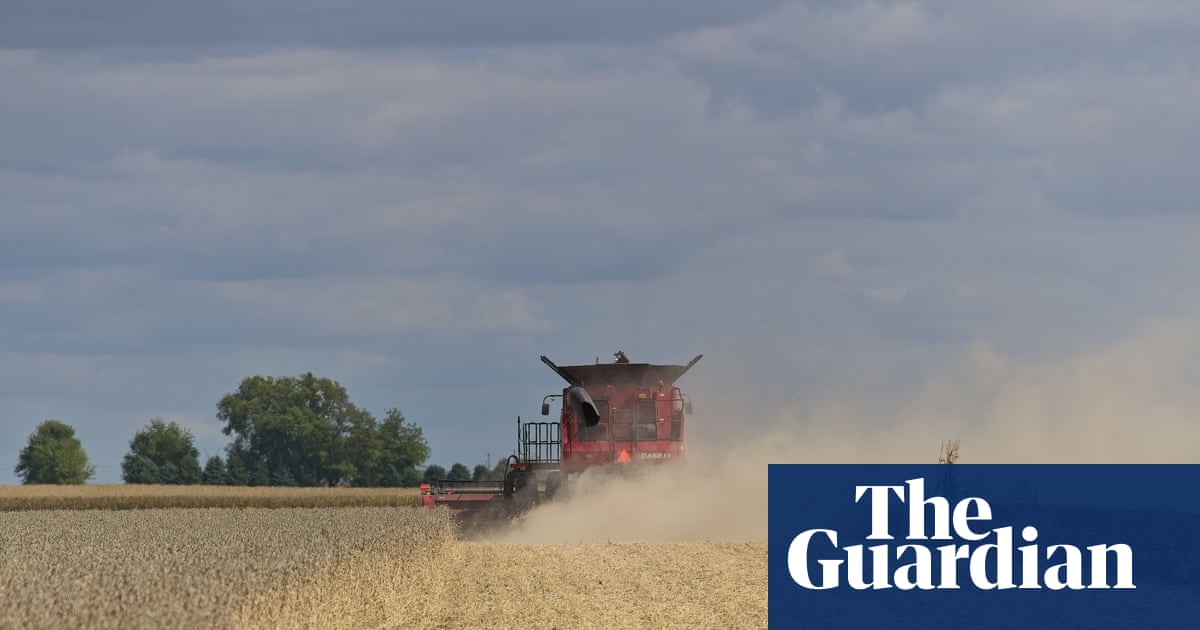
Recent data underscores that food and agriculture collectively account for a staggering one-third of global greenhouse gas emissions, positioning it as the second-largest contributor after fossil fuels. Despite this immense footprint, its role in the climate crisis is severely underrepresented in mainstream media and public consciousness. Analysis indicates that only about a quarter of climate-related articles from major U.S. outlets even mention food and agriculture as a cause. The disparity becomes even more striking when focusing on the most significant driver within this sector: animal agriculture and meat production. A mere 3.8% of climate articles analyzed specifically referenced meat production, despite it being responsible for nearly 60% of the food sector’s climate emissions.
This stark data highlights a critical disconnect between scientific understanding and public perception. A 2023 poll revealed that 74% of U.S. respondents believe eating less meat has little to no effect on the climate crisis, showcasing the depth of this blind spot. For oil and gas investors, this under-reporting is more than just a media curiosity; it represents an unacknowledged variable in the climate policy equation. If policymakers and the public begin to acknowledge and address this substantial emissions source, the singular focus on fossil fuels could diversify. This doesn’t necessarily diminish the pressure on the energy sector, but it could introduce new policy dimensions, carbon pricing mechanisms, or even public campaigns targeting agricultural practices, thereby potentially altering the trajectory and intensity of energy transition policies.
Navigating Market Volatility Amidst Shifting Climate Narratives
While the long-term climate narrative evolves, the immediate realities of the energy market continue to present significant volatility, demanding constant vigilance from investors. As of today, Brent Crude trades at $90.38, reflecting a sharp 9.07% decline within the day, having ranged from $86.08 to $98.97. Similarly, WTI Crude has seen a substantial drop of 9.41% to $82.59, with its daily range spanning $78.97 to $90.34. This recent downturn is part of a broader trend; our proprietary data shows Brent falling from $112.78 on March 30th to $91.87 just yesterday, a significant 18.5% erosion of value in less than three weeks. Gasoline prices have also followed suit, currently at $2.93, down 5.18%.
These fluctuations are driven by a confluence of immediate supply-demand dynamics, geopolitical tensions, and macroeconomic sentiment. However, sophisticated energy investors must contextualize this short-term volatility within the broader, overarching trends, including the evolving climate policy landscape. The persistent media and policy emphasis on fossil fuels as the primary climate culprit has historically directed regulatory and investment capital towards energy transition initiatives. Should the spotlight meaningfully shift to include agricultural emissions, it could lead to new avenues for climate action and investment, potentially diversifying the regulatory burden and public pressure that has predominantly targeted the oil and gas sector. This doesn’t mean less pressure for oil and gas, but it does mean a more complex and multifaceted climate policy environment that warrants close monitoring.
Anticipating Policy Shifts and Upcoming Energy Catalysts
The potential for a broadened climate policy framework, one that more explicitly addresses agricultural emissions, is a forward-looking consideration for oil and gas investors. While the immediate future is dominated by traditional energy market catalysts, the groundwork for long-term policy shifts is continuously being laid. For instance, the United Nations climate change summits only began to feature a dedicated agriculture focus in 2015, highlighting how recently this sector has entered the higher echelons of policy discussion. If this trend accelerates, leading to new regulations, incentives, or even carbon pricing mechanisms applied to the food sector, it could subtly alter the political and economic calculus surrounding the energy transition.
In the short term, our proprietary event calendar highlights several critical dates for the energy sector. This weekend, April 18th and 19th, will see the OPEC+ Joint Ministerial Monitoring Committee (JMMC) and the Full Ministerial Meeting, respectively. These gatherings are crucial for understanding near-term supply strategies. Following these, investors will turn their attention to the API Weekly Crude Inventory on April 21st and the EIA Weekly Petroleum Status Report on April 22nd, providing vital insights into U.S. supply and demand. The Baker Hughes Rig Count on April 24th will offer a snapshot of drilling activity. While these events directly influence market prices, a future where climate policy broadens its scope to agriculture could impact the long-term demand projections and investment appetite even for these fundamental activities. Investors must consider how an expansion of climate policy focus beyond fossil fuels might affect the perceived urgency and mechanisms of the energy transition in the coming years.
Investor Focus: Beyond Current Prices to Long-Term Strategic Shifts
Our proprietary reader intent data offers a valuable window into the immediate concerns of oil and gas investors. This week, top inquiries include specific price predictions like, “What do you predict the price of oil per barrel will be by end of 2026?” and questions about operational specifics such as, “What are OPEC+ current production quotas?” There’s also a clear interest in the data sources and capabilities of market intelligence tools. This intense focus on near-term price movements, supply-side management, and robust data underpins the daily decision-making for many in the sector.
However, sophisticated investment strategy demands a broader perspective. The emerging discourse around agricultural emissions, and its potential to reshape climate policy, represents a subtle yet significant long-term variable. While investors are rightly focused on the immediate drivers impacting earnings and valuations, the gradual expansion of climate policy to address previously overlooked sectors could have profound implications. If the policy lens widens, the narrative around “dirty industries” could diversify, potentially diffusing some of the singular pressure on fossil fuels, or conversely, adding layers of complexity to the overall decarbonization challenge. Proactive investors should monitor these evolving climate narratives, recognizing that shifts in public and political attention can ultimately influence regulatory environments, consumer behavior, and capital allocation across the entire energy complex, impacting future opportunities and risks for oil and gas investments.


