The oil and gas industry stands at a critical juncture, navigating persistent market volatility while confronting intensifying pressure to decarbonize. While Scope 1 and 2 emissions have seen concerted efforts, the vast and often opaque realm of Scope 3 emissions, particularly those embedded in purchased goods and services, represents a significant challenge. However, a new wave of artificial intelligence (AI) innovation is now emerging to demystify this complex area, offering O&G companies unprecedented tools to measure, manage, and ultimately reduce their upstream carbon footprints, fundamentally altering risk profiles for investors.
AI Unlocks Granular Scope 3 Visibility for O&G Supply Chains
For too long, accurately quantifying Scope 3 emissions from purchased goods has been a “carbon blind spot” for corporations, with these indirect emissions typically accounting for 60-80% of a company’s total carbon footprint. Traditional life-cycle assessments (LCAs) are notoriously slow, often taking up to a year to complete, and heavily reliant on supplier data that is frequently incomplete or inconsistent. This data gap has hindered effective decision-making and exposed companies to significant reputational and regulatory risks.
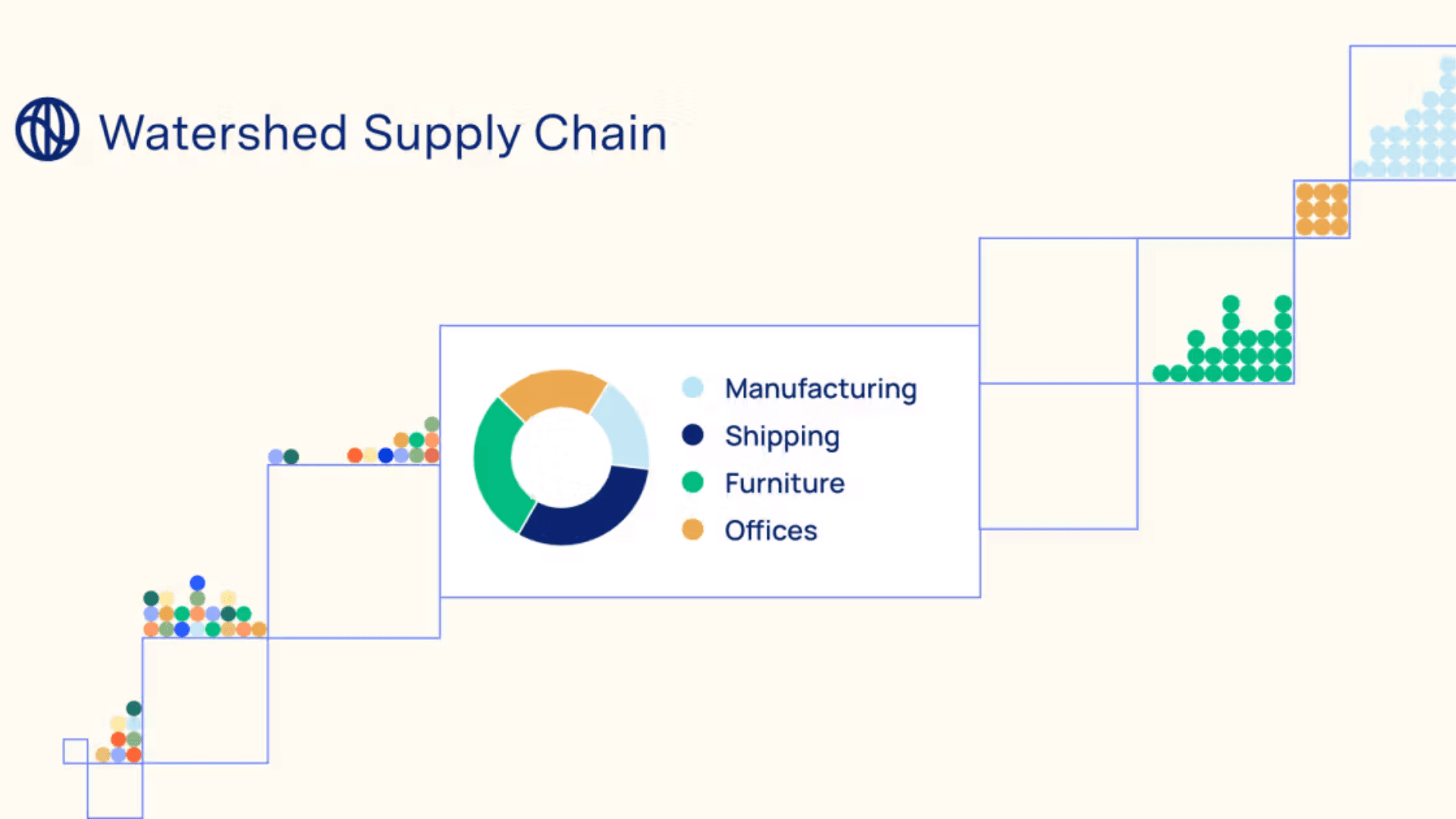
The introduction of AI-powered platforms, such as Watershed’s Product Footprints, marks a paradigm shift. This technology is designed to break down each item a company procures into its constituent materials and production processes, replacing broad, spend-based estimations with highly detailed and actionable analysis. Co-founder Christian Anderson emphasizes that by “encoding climate intelligence into AI,” companies can now make informed choices that were previously impossible due to incomplete data. The system, developed by a 21-person team of climate scientists and AI researchers, generates detailed emissions profiles in minutes, not months. This speed and precision, mapping sub-materials, processes, and regional emissions factors, allows procurement teams to model supplier choices and quantify the climate impact of various purchasing scenarios before contracts are even signed, providing an invaluable tool for O&G firms aiming for robust decarbonization strategies.
Navigating Market Volatility with Enhanced ESG Data
In a market characterized by sharp price swings, the ability to demonstrate clear progress on ESG metrics becomes even more critical for investor confidence. As of today, Brent crude trades at $90.38, marking a significant 9.07% drop within the day’s range of $86.08 to $98.97. Similarly, WTI crude has fallen to $82.59, down 9.41% from its daily high. This intraday volatility follows a more substantial trend, with Brent having declined by $20.91, or 18.5%, from $112.78 just two weeks ago to $91.87 yesterday.
Such rapid market movements underscore the need for O&G companies to differentiate themselves through operational efficiency and robust sustainability frameworks. Our proprietary reader intent data shows a consistent investor focus on long-term price predictions, with questions like “What do you predict the price of oil per barrel will be by end of 2026?” dominating discussions. In this environment, accurate Scope 3 emissions data, made possible by AI, is no longer just a compliance exercise but a strategic asset. It allows companies to articulate a credible path to net-zero, reduce exposure to carbon pricing risks, and improve their standing with ESG-focused investors, potentially influencing their cost of capital and overall valuation in a competitive landscape.
Proactive Management Ahead of Key Industry Events
The coming weeks are packed with events that will shape the near-term outlook for the oil and gas sector, including the OPEC+ Joint Ministerial Monitoring Committee (JMMC) meeting today, April 18th, followed by the full Ministerial meeting tomorrow, April 19th. These gatherings are crucial for understanding global supply dynamics and production quotas. Following these, the market will scrutinize the API Weekly Crude Inventory reports on April 21st and 28th, and the EIA Weekly Petroleum Status Reports on April 22nd and 29th, along with the Baker Hughes Rig Count on April 24th and May 1st.
While these events directly influence supply and demand fundamentals, their impact on an O&G company’s long-term viability is increasingly intertwined with its sustainability performance. Our reader questions about “OPEC+ current production quotas” indicate an acute awareness of supply-side management. As the industry evolves, discussions around quotas and policy may eventually incorporate broader environmental considerations. Companies armed with precise, AI-derived Scope 3 data are better positioned to engage with regulators, policymakers, and investors on their decarbonization efforts, showcasing a proactive approach to environmental stewardship rather than a reactive one. This forward-looking capability helps mitigate future regulatory risks and aligns business strategy with global climate goals.
Investor Demand for Credible ESG and Future Outlook
The sophistication of investor inquiries is evolving. Beyond simply asking “How well do you think Repsol will end in April 2026?” or seeking lists of data sources for market analysis, there’s a clear demand for verifiable ESG performance. Investors are increasingly evaluating O&G companies not just on their operational efficiency and reserves, but on the credibility and transparency of their climate strategies. The fact that AI-powered tools provide each calculation with a confidence score and documentation of data sources is critical for building this trust, addressing a significant barrier to AI adoption in corporate reporting.
For oil and gas majors, embracing AI to manage Scope 3 emissions is more than just compliance; it’s a strategic imperative for future growth and investor appeal. By accurately measuring and mitigating these significant indirect emissions, companies can enhance their brand, reduce supply chain risks, and unlock new investment opportunities from a growing pool of ESG-mandated capital. This technological leap offers a tangible pathway for the industry to bridge the gap between ambitious climate targets and actionable, auditable progress, ensuring long-term resilience and value creation in a decarbonizing world.


