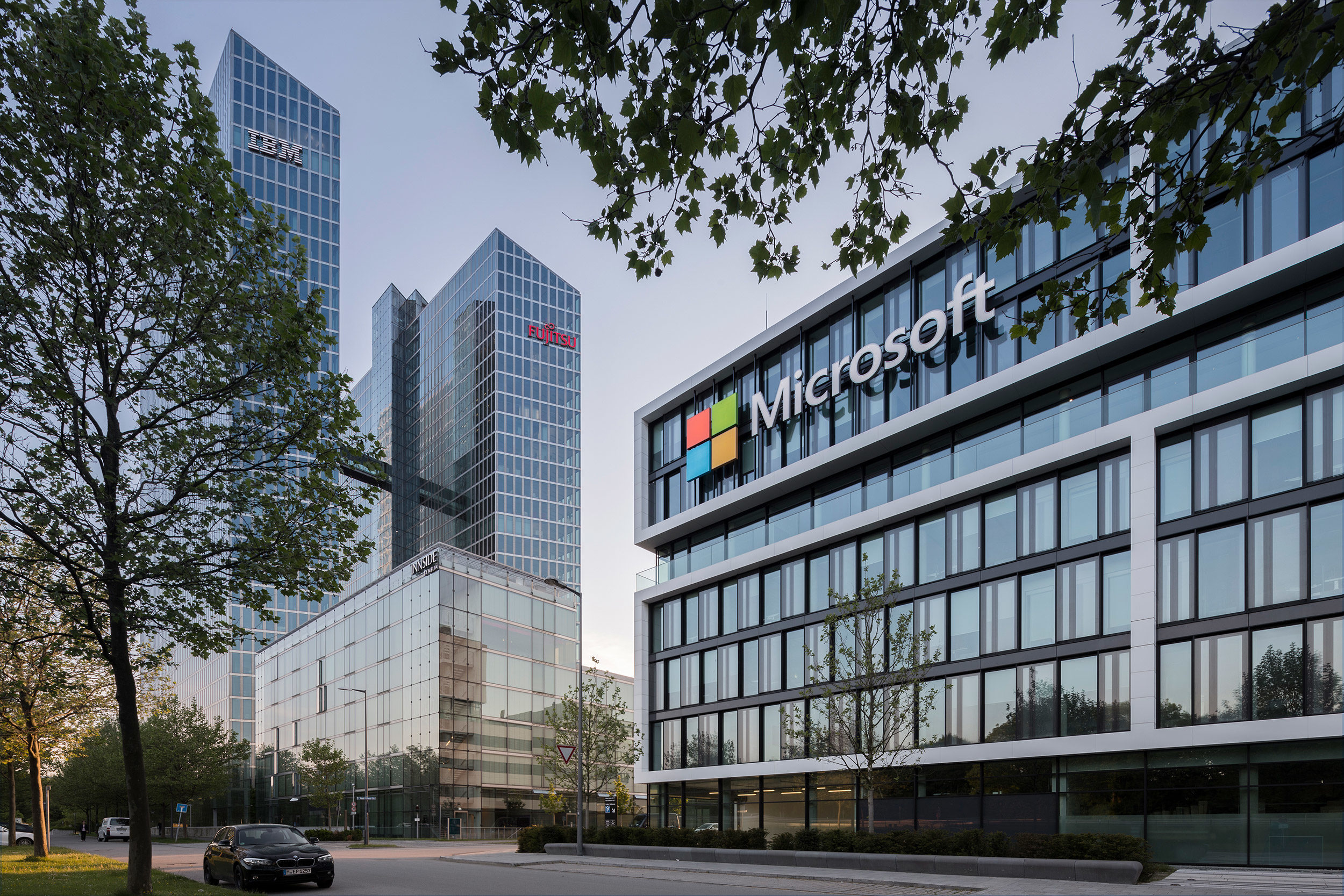
The energy transition is often viewed through the lens of renewable power generation or electric vehicles, yet some of the most challenging and impactful investment opportunities lie hidden within the industrial sector. Microsoft’s recent commitment to Fortera, a developer of low-carbon cement, through its Climate Innovation Fund, signals a significant pivot in corporate sustainability strategies, moving beyond direct operational emissions to tackle the elusive Scope 3 supply chain footprint. This isn’t just a tech giant making a green play; it’s a strategic investment in a nascent market poised for exponential growth, reflecting a broader shift in capital allocation within the energy investment landscape. For investors navigating complex market signals, this deal illuminates critical trends in industrial decarbonization and the increasing valuation of hard-to-abate sector solutions.
Decarbonization’s Next Frontier: Hard-to-Abate Industries Attract Capital
While much investor attention remains fixed on the daily gyrations of traditional energy markets, exemplified by frequent inquiries about “OPEC+ current production quotas” and “the current Brent crude price” from our platform users, a parallel and equally vital investment narrative is unfolding in industrial decarbonization. Cement production, responsible for nearly 8% of global carbon dioxide emissions, stands as one of the most stubborn challenges in achieving net-zero targets. The traditional manufacturing process for ordinary Portland cement (OPC) is inherently carbon-intensive, primarily due to the calcination of limestone. Microsoft’s investment in Fortera directly targets this problem, providing crucial capital for a 400,000-ton-per-year commercial facility. This move underscores a growing recognition among major corporations that achieving ambitious climate goals necessitates deep dives into their value chains, catalyzing innovation in sectors often overlooked by conventional energy investors. The scale of this challenge, coupled with the projected rise in global concrete demand, makes solutions like Fortera’s not just environmentally critical, but also economically compelling for long-term growth portfolios.
Corporate Capital as a Catalyst for Industrial Innovation
Microsoft’s investment strategy with Fortera is multi-faceted, demonstrating how corporate capital can act as a powerful catalyst for scaling novel technologies. Beyond the direct equity injection, the agreement grants Microsoft procurement rights for Fortera’s ReAct™ cement and associated environmental attribute certificates (EACs). This dual approach addresses both tangible supply needs for Microsoft’s expanding data center infrastructure and its broader Scope 3 emissions reduction targets. Fortera’s ReCarb process, which promises a 70% reduction in emissions compared to OPC without compromising cost or performance, is particularly attractive from an investment perspective. Its design as a “bolt-on” system for existing cement kilns drastically lowers adoption barriers, accelerating market penetration and reducing capital expenditure for existing producers. This strategic alignment between a tech giant’s sustainability goals and a materials innovator’s scalability potential highlights a new model for energy transition financing. As of today, Brent crude trades at $98.34, down 1.06% within a day range of $97.92-$98.67, while WTI sits at $89.63, down 1.69%. This slight softening from the 14-day high of $112.57 on March 27th, bringing Brent down by $14, or 12.4%, might seem like a traditional energy market signal. However, for industrial decarbonization, it simply emphasizes the ongoing volatility and the need for diversified, stable, and less fossil-fuel-dependent supply chains, making investments like Microsoft’s in Fortera even more strategically sound.
Fortera’s Scalability: A Model for Sustainable Industrial Growth
Fortera’s transition from pilot and demonstration plants to a full-scale commercial facility producing 400,000 tons annually marks a pivotal moment for low-carbon cement and related material science. This capacity is significant, offering meaningful volumes to anchor customers like Microsoft and setting a precedent for industrial-scale decarbonization. For investors, the ability to integrate with existing infrastructure is a critical derisking factor. It suggests a faster path to market adoption and lower implementation costs for traditional cement producers looking to green their operations. The “bolt-on” nature of Fortera’s technology means that widespread adoption could occur without requiring extensive overhauls of existing plants, a major hurdle for many industrial decarbonization solutions. This focus on compatibility and competitive cost targets aligns perfectly with what investors seek: solutions that are not only sustainable but also economically viable and scalable. The deal highlights how technological innovation, coupled with strategic corporate backing, can unlock significant value in traditionally carbon-intensive sectors, offering a blueprint for future investments in industrial materials.
Navigating the Broader Energy Landscape: Investor Implications
The Microsoft-Fortera deal, while focused on cement, cannot be viewed in isolation from the broader energy market. Our reader intent data consistently shows investors are keenly interested in macro energy dynamics, frequently asking about “what are OPEC+ current production quotas?” and monitoring the “current Brent crude price.” This sensitivity to traditional energy supply and demand directly impacts the economic calculus for industrial decarbonization. Looking ahead, the upcoming OPEC+ Joint Ministerial Monitoring Committee (JMMC) meeting tomorrow, April 17th, followed by the full Ministerial Meeting on April 18th, will be critical. Any shifts in production policy could influence crude prices, thereby affecting the operational costs of energy-intensive industries and, in turn, the competitiveness of low-carbon alternatives. Similarly, the weekly API and EIA petroleum status reports on April 21st/22nd and April 28th/29th will provide fresh insights into inventory levels and demand trends, shaping the overall energy market sentiment. For investors, understanding these intertwined dynamics is crucial. Investments in industrial decarbonization, like Fortera, represent a hedging strategy against fossil fuel volatility and a long-term play on a global economy increasingly prioritizing sustainability. These projects are not just about reducing emissions; they are about building resilient, future-proof supply chains and capturing value in the evolving energy landscape.


