Geopolitical tensions are once again dictating a significant portion of the discourse in global energy markets, with recent high-level rhetoric putting Russian oil and gas trade under renewed scrutiny. A prominent voice at the United Nations General Assembly recently lambasted nations continuing to purchase Russian energy, asserting that such transactions are “funding the war against themselves.” This strong stance, targeting major economies like China and India as well as several NATO members, injects a fresh layer of uncertainty into an already volatile investment landscape. For oil and gas investors, understanding the implications of these diplomatic pressures on global supply chains, pricing dynamics, and the strategic decisions of key energy players is paramount.
Geopolitical Headwinds and Market Response
The pointed criticism leveled at countries like China and India, identified as primary funders of Russia’s war effort, coupled with direct challenges to NATO members importing Russian crude and LNG, highlights a widening chasm in international energy policy. This aggressive diplomatic posture comes at a critical time for crude markets, which have seen significant downside pressure recently. As of today, Brent Crude is trading at $90.38, reflecting a sharp 9.07% decline in a single trading session. Similarly, WTI Crude has fallen to $82.59, down 9.41% over the same period. This recent volatility extends a broader trend, with Brent having shed $20.91, or 18.5%, over the past fourteen days alone, dropping from $112.78 on March 30th to $91.87 just yesterday. Such pronounced drops underscore how quickly market sentiment can shift in response to both fundamental supply-demand dynamics and heightened geopolitical risk. Investors are clearly reacting to the potential for disruptions, either through new sanctions or retaliatory measures, which could reshape trade flows and impact pricing.
Europe’s Energy Conundrum: Pipelines, LNG, and Policy Pressure
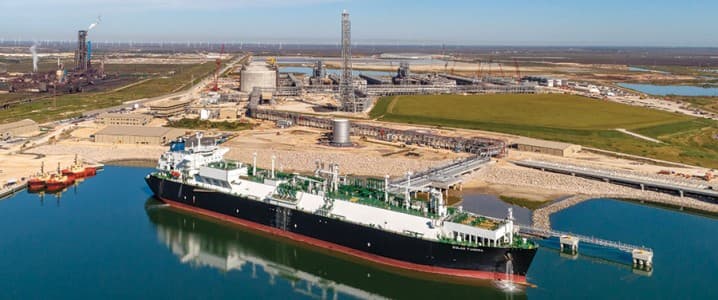
The focus on Europe’s continued reliance on Russian energy, particularly LNG, adds another complex layer to the investment outlook. While European imports of Russian pipeline oil have drastically reduced since 2022, certain nations like Hungary and Slovakia maintain their purchases. More critically, the spotlight has been widened to include long-term LNG contracts held by countries such as France, Belgium, and Spain. This persistent demand presents a significant challenge to the stated goal of isolating Russia economically. The threat of a “very strong round of powerful tariffs” on Russian energy, contingent on European participation, introduces a potential game-changer. Should these tariffs materialize with broad European backing, they would fundamentally alter the economics of Russian energy exports, potentially driving up global prices for alternative supplies while creating significant logistical hurdles. For investors, this scenario necessitates a close examination of European energy infrastructure, LNG import capacities, and the exposure of various energy companies to these shifting trade dynamics. Companies heavily invested in alternative LNG sources or renewable energy infrastructure could see tailwinds, while those with significant ties to legacy Russian supply chains may face increased pressure.
India’s Balancing Act and Shifting Global Alliances
India’s role as one of Russia’s largest oil buyers places it in a delicate strategic position, one that investment analysts are closely monitoring. While the U.S. administration simultaneously attempts to smooth diplomatic tensions with India, even suggesting adjustments to existing tariffs on Indian crude imports, the underlying pressure to reduce Russian energy purchases remains. This dual approach underscores the complexity of global energy politics where strategic alliances and economic realities often clash. Should the U.S. succeed in compelling India to significantly reduce its Russian oil imports, it would necessitate a major re-routing of global crude flows, potentially increasing demand for Middle Eastern or even Western Hemisphere crude. This could translate into higher shipping costs and altered arbitrage opportunities, directly impacting tanker companies and refiners. Investors should assess the agility of refiners to switch crude grades and the resilience of supply chains to accommodate such shifts. The outcome of these diplomatic negotiations will be a key determinant of future crude demand patterns for major Asian economies.
Navigating Uncertainty: Upcoming Catalysts and Investor Concerns
Against this backdrop of geopolitical pressure and market volatility, many of our readers are actively seeking clarity, asking critical questions such as “what do you predict the price of oil per barrel will be by end of 2026?” and “What are OPEC+ current production quotas?”. While making precise long-term price predictions is inherently challenging given the fluid nature of these factors, we can identify key upcoming events that will provide crucial signals for the near-term investment landscape. The next 14 days are packed with high-impact events: the OPEC+ Joint Ministerial Monitoring Committee (JMMC) meeting on April 18th, followed by the Full Ministerial OPEC+ Meeting on April 19th, will be paramount. Any indication of changes to current production quotas or future supply strategies will directly impact market sentiment and price discovery. Investors should also closely watch the API Weekly Crude Inventory reports on April 21st and 28th, and the EIA Weekly Petroleum Status Reports on April 22nd and 29th. These weekly snapshots of U.S. supply and demand will offer vital insights into inventory levels, refining activity, and gasoline demand (currently trading at $2.93, down 5.18% today). Furthermore, the Baker Hughes Rig Count on April 24th and May 1st will provide an early indicator of future drilling activity and potential supply growth. For investors considering specific entities, such as those asking “How well do you think Repsol will end in April 2026?”, the performance of individual companies will hinge on their exposure to the geopolitical risks, their operational efficiency, and their ability to adapt to potential shifts in crude and LNG trade routes, all of which will be influenced by these upcoming data releases and policy decisions.
In conclusion, the current investment environment for oil and gas is profoundly influenced by geopolitical pronouncements and the ongoing re-evaluation of energy alliances. While the immediate market reaction has seen significant price declines, the potential for new tariffs and trade realignments suggests continued volatility. Investors must remain vigilant, leveraging detailed market data and forward-looking event analysis to position their portfolios strategically amidst these evolving global pressures. The confluence of diplomatic demands, supply-side decisions from OPEC+, and real-time demand signals from inventory reports will collectively shape the trajectory of oil and gas markets in the coming weeks and months.


