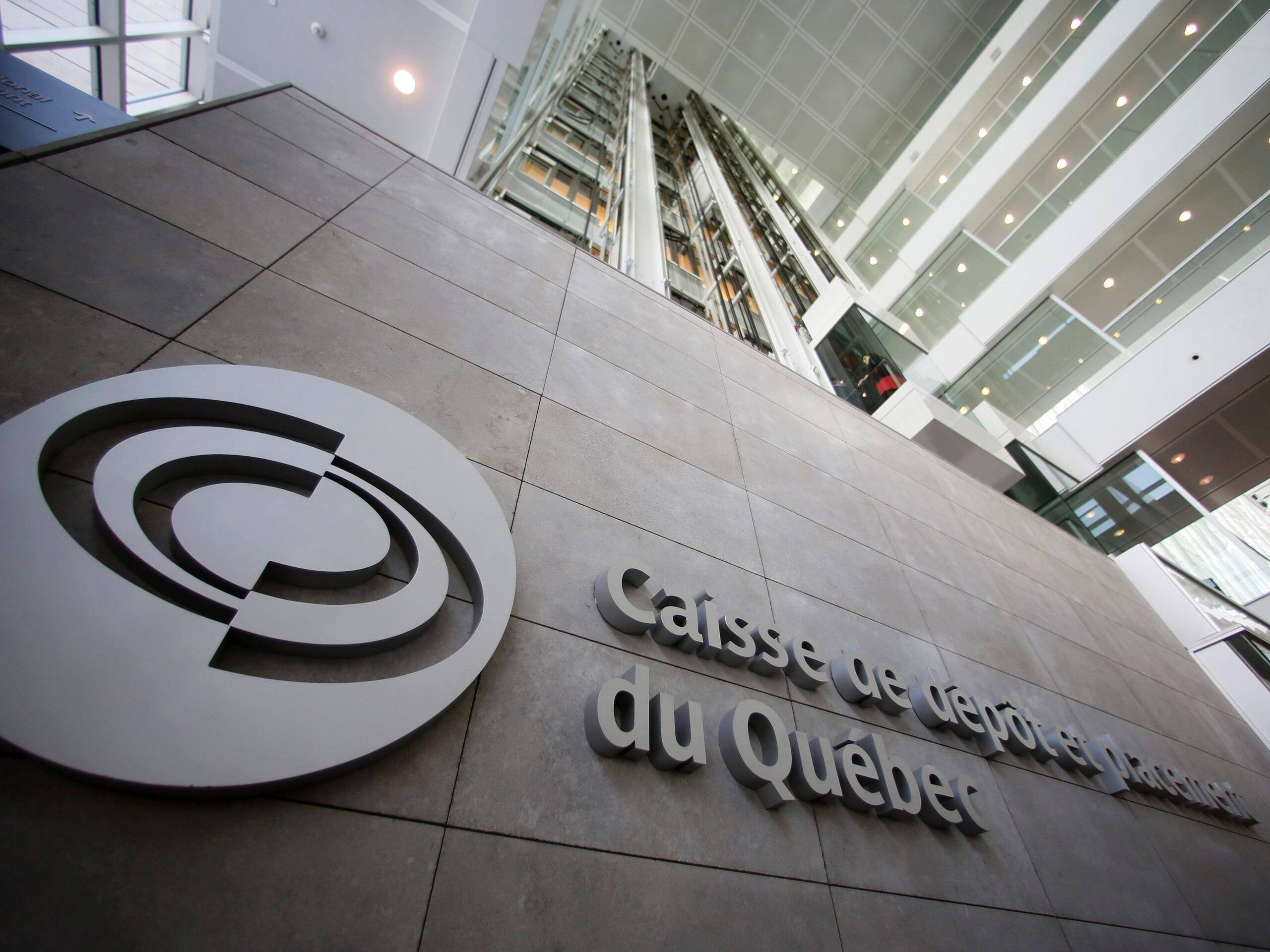
The energy investment landscape continues its rapid evolution, with significant capital flows increasingly targeting the renewable sector even as traditional oil and gas markets navigate persistent volatility. A prime example of this strategic pivot is the recent commitment by La Caisse, a prominent Canadian investment group, to inject CAD 1 billion (approximately AUD 1.1 billion) into Australian clean power developer Edify Energy. This substantial investment not only underscores global institutional confidence in Australia’s burgeoning green grid but also provides a stark contrast to the short-term price swings dominating crude markets. For astute investors, this move highlights the growing imperative to diversify portfolios and capitalize on the long-term structural shifts underpinning the global energy transition.
Australia’s Renewable Ambition Attracts Global Capital
La Caisse’s acquisition of Edify Energy and subsequent funding for new solar-plus-storage projects marks one of the most significant foreign investments in Australia’s clean energy sector this year. This commitment is directed at supercharging Edify’s impressive 11-gigawatt pipeline of hybrid and storage projects across key states like New South Wales, Queensland, and Victoria. The immediate focus includes two ready-to-build solar-plus-storage facilities, boasting a combined capacity of 900 megawatts of generation and 3,600 megawatt-hours of storage. Crucially, these foundational projects are de-risked by robust offtake agreements with major players, specifically mining giant Rio Tinto and the Commonwealth of Australia. Such high-profile corporate and government backing provides a strong signal of stability and long-term demand, a compelling factor for institutional investors seeking predictable returns in an otherwise turbulent market. Edify’s proven track record, having delivered over 1.1 GW of projects since its 2015 inception, including Australia’s first utility-scale solar and battery storage project in 2018, positions it as a critical player in the nation’s ambitious grid decarbonization strategy.
Navigating Volatility: A Tale of Two Energy Markets
This substantial investment in clean energy unfolds against a backdrop of considerable turbulence in the traditional oil and gas sector. As of today, Brent crude trades at $90.38 per barrel, reflecting a sharp decline of 9.07% within the day, with prices fluctuating between $86.08 and $98.97. Similarly, WTI crude has experienced a significant drop, currently at $82.59, down 9.41%, after ranging from $78.97 to $90.34. This intraday volatility is not an isolated event; the 14-day trend for Brent crude shows an even more pronounced shift, falling from $112.78 on March 30th to $91.87 by April 17th, an overall decrease of 18.5%. Gasoline prices have also followed suit, presently at $2.93, down 5.18% for the day. This stark contrast between the long-term, stability-seeking capital flowing into renewables and the inherent, often unpredictable, volatility of fossil fuel markets presents a critical challenge and opportunity for investors. While short-term commodity trading remains lucrative for some, the La Caisse deal exemplifies a strategic pivot towards assets offering predictable, contracted revenues, aligning with broader sustainability mandates and offering a hedge against the cyclical nature of crude prices.
Forward Momentum: Upcoming Events and Strategic Positioning
The next two weeks are packed with critical events that will undoubtedly influence the immediate trajectory of global oil markets, providing a fascinating counterpoint to the long-term renewable energy plays. Investors will keenly watch the upcoming OPEC+ Joint Ministerial Monitoring Committee (JMMC) meeting on April 18th, followed by the Full Ministerial meeting on April 19th. These gatherings are crucial for understanding potential shifts in production quotas, especially in light of recent price declines. Any signals regarding supply adjustments will have immediate repercussions across the market. Furthermore, the API Weekly Crude Inventory reports on April 21st and 28th, alongside the EIA Weekly Petroleum Status Reports on April 22nd and 29th, will offer vital insights into U.S. supply and demand dynamics. The Baker Hughes Rig Count, scheduled for April 24th and May 1st, will provide an indication of future production capacity. While these events primarily concern traditional hydrocarbons, their outcomes indirectly influence the broader energy investment thesis. Sustained fossil fuel volatility or strong policy signals from OPEC+ could accelerate the shift towards stable, capital-intensive renewable projects, making investments like La Caisse’s even more attractive as a strategic diversification against market uncertainty.
Investor Sentiment and the Evolving Energy Portfolio
Our proprietary market data reveals that investors are keenly focused on understanding the future direction of energy markets, grappling with both immediate price movements and long-term structural changes. A recurring question from our readership is, “What do you predict the price of oil per barrel will be by the end of 2026?” This query underscores the persistent challenge of forecasting commodity markets and highlights the appetite for forward-looking analysis that factors in geopolitical events, economic trends, and the pace of the energy transition. Another common thread involves inquiries about OPEC+ current production quotas, demonstrating the ongoing influence of traditional supply-side management on market stability. The La Caisse investment in Edify Energy directly addresses these investor concerns by offering exposure to a sector with clear growth trajectories, underpinned by government policy and corporate sustainability targets, which can potentially provide more predictable returns than highly volatile fossil fuel assets. It represents a tangible example of how institutional capital is proactively shaping an energy future that aligns with decarbonization goals, providing a compelling alternative or complement to traditional oil and gas investments for those seeking long-term growth and reduced exposure to commodity price swings.


