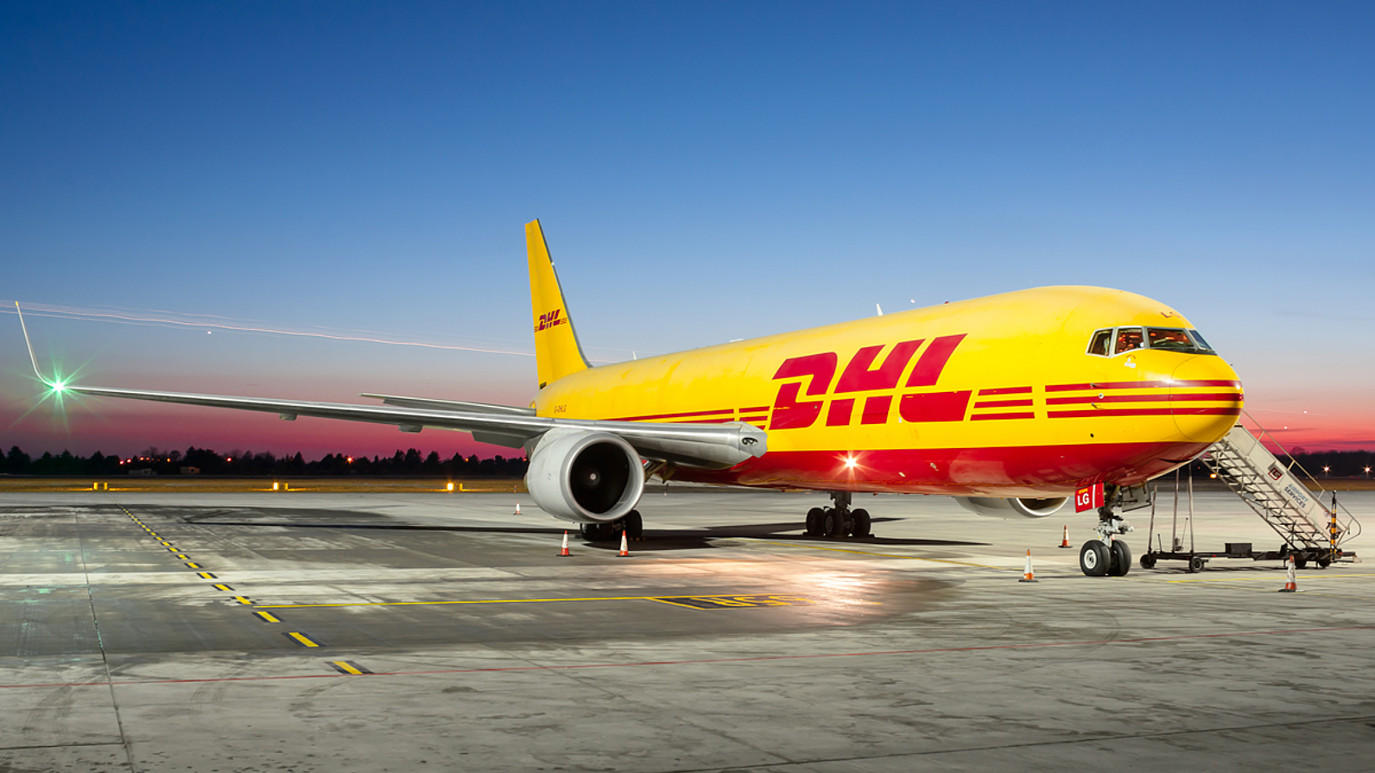
The global energy landscape is undergoing a profound transformation, driven by an accelerating corporate commitment to decarbonization. While traditional oil and gas markets continue to grapple with geopolitical shifts and supply-demand dynamics, a burgeoning segment focused on sustainable fuels is rapidly gaining traction. A recent strategic agreement between logistics giant DHL Global Forwarding and consumer goods multinational Henkel stands as a salient indicator of this shift, demonstrating how corporate demand is directly fueling the expansion of low-emission solutions in hard-to-abate sectors like maritime shipping.
The Green Premium: Corporate Demand Driving Sustainable Fuel Adoption
The collaboration between DHL and Henkel represents a significant escalation in the corporate push for sustainable logistics. Building on a successful 2024 pilot, the new agreement commits DHL Global Forwarding to power the majority of Henkel’s ocean freight with Sustainable Marine Fuel (SMF) throughout 2025. This isn’t a pilot program; it’s a scaled commitment covering approximately 9,000 twenty-foot equivalent units (TEUs). For investors, the critical takeaway here is the tangible, quantifiable impact: DHL projects this initiative will reduce well-to-wake transport-related emissions by an estimated 4,700 metric tons of CO2e, a substantial 85% cut compared to conventional marine fuels. This level of verified emission reduction, independently assured by SGS, underscores the seriousness with which major corporations are addressing their Scope 3 emissions. The “Book & Claim” model employed, where environmental benefits are allocated even if physical cargo isn’t on an SMF-powered vessel, is a crucial mechanism for scaling adoption, allowing companies to invest in sustainable fuel supply without complex logistical overhahauls. This model effectively creates a virtual market for green attributes, signaling robust demand for future SMF production capacity.
Navigating Volatility: Contrasting Crude Markets with Sustainable Fuel’s Steady Ascent
For many investors, the immediate focus remains on the volatile movements of crude oil prices, and our proprietary data confirms this enduring interest. As of today, Brent crude trades at $98.15, marking a 1.25% decline, with WTI crude showing a larger drop of 1.73% to $89.59. This downward pressure comes after a significant retreat over the past two weeks, with Brent having fallen by $14, or 12.4%, from $112.57 on March 27th to $98.57 just yesterday. Our reader intent signals reveal that investors are keenly monitoring these price fluctuations, frequently asking about current Brent crude prices and the models behind our real-time data. This short-term volatility, influenced by macroeconomic factors and geopolitical tensions, stands in stark contrast to the more predictable, structural growth in demand for sustainable fuels. While conventional crude prices react to daily news cycles, the demand for SMF, driven by multi-year corporate climate strategies and ambitious decarbonization targets, represents a long-term investment theme. The DHL-Henkel deal exemplifies how corporate commitments are creating a floor for sustainable fuel demand, irrespective of daily crude price swings, offering a different risk-reward profile for energy investors.
Strategic Implications for the Downstream Sector: Refining, Blending, and Infrastructure
The growing corporate appetite for sustainable marine fuels has profound implications for the downstream oil and gas sector. This isn’t merely about displacing conventional bunker fuel; it’s about stimulating investment across the entire value chain for alternative fuels. Refiners and blenders face increasing pressure and opportunity to retool existing facilities or build new ones capable of producing bio-bunkers, e-fuels, or other advanced sustainable fuels. The commitment to 9,000 TEUs of SMF usage by Henkel for 2025 sends a clear signal to producers: there is an expanding, committed off-take market for these products. This predictable demand profile, unlike the often-cyclical nature of traditional fuel markets, can de-risk capital expenditures in sustainable fuel production capacity. Furthermore, the “Book & Claim” model, while facilitating adoption, also highlights the need for robust verification and tracking systems, creating opportunities for technology and service providers in the ESG assurance space. Investors should be evaluating companies actively diversifying their downstream portfolios into sustainable fuel production, logistics, and certification, as these players are best positioned to capture value from this expanding green premium.
Beyond the Headlines: Upcoming Catalysts and Long-Term Trends
While the DHL-Henkel partnership signals a powerful long-term trend, investors must also remain attuned to immediate market catalysts. The upcoming OPEC+ Joint Ministerial Monitoring Committee (JMMC) meeting tomorrow, April 17th, followed by the full Ministerial Meeting on April 18th, will undoubtedly influence short-term crude price dynamics. Decisions on production quotas will impact global supply and could introduce further volatility, a key concern for investors, as evidenced by frequent inquiries regarding OPEC+ production levels. Similarly, the weekly API and EIA inventory reports on April 21st and 22nd, respectively, along with the Baker Hughes Rig Count on April 24th, will offer tactical insights into conventional crude supply and demand. However, strategic investors should view these events in context: while they drive short-term trading, they do not diminish the accelerating, structural shift towards decarbonized logistics. The long-term trajectory for sustainable fuels will be shaped less by OPEC+ deliberations and more by continued corporate commitments, evolving regulatory frameworks (especially in Europe, where most of Henkel’s shipments originate), and technological advancements that improve the scalability and cost-effectiveness of SMF production. These deeper trends represent the true catalysts for sustained investment growth in the energy transition space.
Investor Insights: Positioning for a Decarbonized Future
The DHL-Henkel collaboration serves as a potent case study for investors navigating the evolving energy landscape. It underscores that decarbonization is no longer a fringe consideration but a core business imperative for global enterprises. This translates into tangible, growing demand for sustainable energy solutions, creating distinct investment opportunities. For investors seeking to position their portfolios for the future, understanding the interplay between traditional oil and gas market volatility and the steady, upward trajectory of sustainable fuel demand is paramount. Companies that are actively investing in sustainable fuel production, developing innovative logistics solutions, or providing the verification and infrastructure to support these transitions are likely to see long-term value creation. Rather than solely focusing on the immediate impact of OPEC+ meetings or weekly inventory data, investors should broaden their scope to identify firms demonstrating leadership in the energy transition. The sustained commitment from major players like DHL and Henkel indicates that the green premium for decarbonized supply chains is here to stay, offering a compelling investment thesis beyond the daily fluctuations of crude oil markets.


