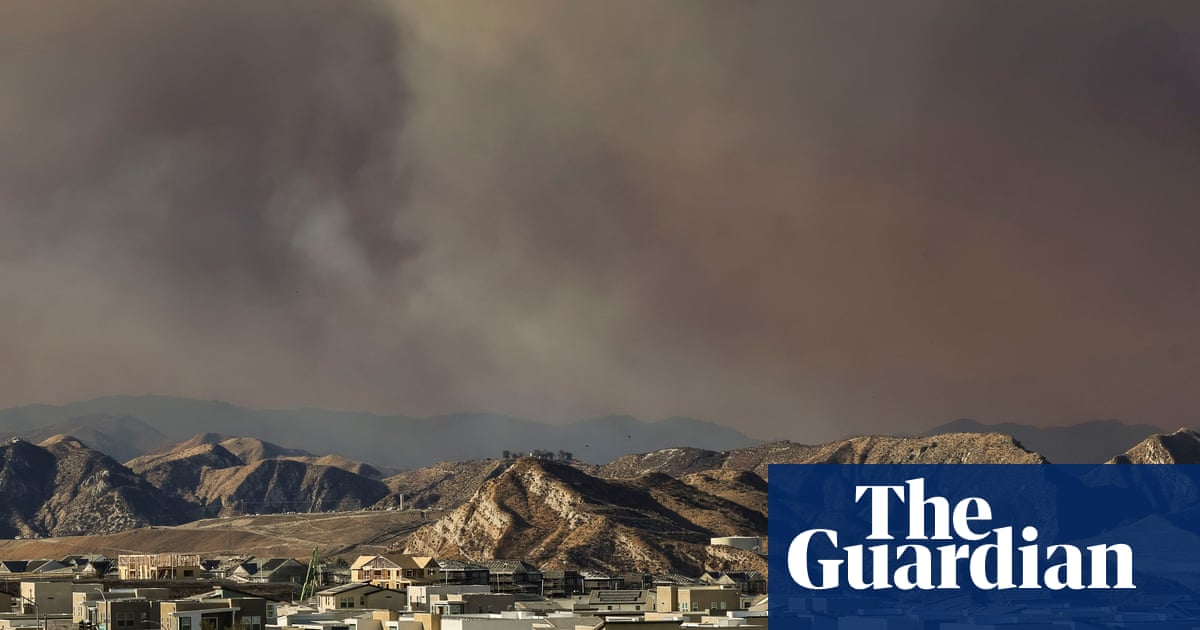
The intensifying global crisis of wildfire smoke, with its devastating human health consequences and escalating economic costs, is rapidly becoming a critical factor in the valuation and strategic outlook for the oil and gas sector. New research paints a stark picture: hundreds of thousands of lives are at risk annually from inhaling wildfire smoke, a threat far more potent than other forms of air pollution. For energy investors, this isn’t merely an environmental concern; it represents a tangible and growing pressure on emissions, demanding a re-evaluation of long-term sector resilience and capital allocation strategies.
The Alarming Scale of Wildfire-Induced Casualties and Economic Burden
Recent studies reveal the profound and underestimated impact of wildfire smoke. Projections indicate a staggering 1.4 million global deaths each year by the end of the century if planet-heating emissions continue unchecked. Closer to home, the United States alone could see over 70,000 annual fatalities from wildfire smoke by 2050, a significant increase from the current 40,000. This smoke, laden with tiny PM2.5 particles, is considered approximately ten times more toxic than other air pollution from fossil fuel combustion, burrowing deep into lungs and causing severe respiratory and heart ailments. The reach of this threat is extensive; in 2023, smoke plumes from Canadian fires were attributed to 22,000 deaths in Europe, alongside numerous fatalities in North America.
Beyond the tragic human toll, the economic fallout is equally alarming. US-focused research estimates annual economic damages of $608 billion by 2050 due to wildfire smoke, a figure that surpasses all other climate hazards combined. This unprecedented finding highlights wildfire smoke as a dominant factor in overall health damages. While factors like forest management play a role, the overarching driver is the climate crisis, leading to drier vegetation and fiercer fires. These mounting costs, from healthcare expenditures to lost productivity and property damage, will inevitably translate into increased regulatory scrutiny and a greater societal demand for emissions reductions, directly impacting the long-term profitability and operating environment for carbon-intensive industries.
Market Realities: Price Volatility Amidst Mounting Climate Pressure
The oil and gas market currently navigates a complex interplay of supply-demand dynamics and an increasingly palpable climate imperative. As of today, Brent Crude trades at $98.13, marking a 1.27% dip in early trading and continuing a notable downtrend from $112.57 recorded just a few weeks prior. WTI Crude mirrors this sentiment, trading at $89.72, down 1.59%. This recent price volatility, while influenced by immediate geopolitical and economic factors, occurs against a backdrop of intensifying climate-related risks. The escalating human and economic costs of wildfires, explicitly linked to global emissions, fundamentally reshape the long-term investment landscape. Investors are increasingly aware that the “externalities” of carbon emissions are becoming “internalities” for energy companies, manifesting as higher compliance costs, stricter environmental regulations, and potential litigation risks. The market is slowly but surely pricing in these growing pressures, demanding greater transparency and demonstrable action on decarbonization from sector participants.
Investor Sentiment Shifts: Beyond Quotas to ESG Resilience
Investor conversations are evolving, moving beyond immediate supply-demand metrics to encompass broader sustainability and resilience factors. While our readers frequently inquire about “OPEC+ current production quotas” and the “current Brent crude price,” there’s a parallel surge in questions about data sources, analytical models, and the utility of advanced tools to process complex information. This signals a growing sophistication in how investors approach risk, seeking deeper insights into the forces shaping the energy sector’s future. The increasing devastation from wildfire smoke serves as a potent, real-world example of the material risks associated with climate change, directly impacting the environmental, social, and governance (ESG) profile of oil and gas companies.
The mounting death tolls and economic damages from wildfires reinforce the urgency for the sector to adapt. Companies perceived as lagging in their emissions reduction efforts or failing to adequately disclose climate-related risks will face higher costs of capital, reduced investor appetite, and potential divestment. Conversely, those that proactively invest in decarbonization technologies, sustainable practices, and robust climate risk management stand to attract capital and enhance their long-term value. The market is increasingly differentiating between companies based on their readiness for a low-carbon future, making ESG performance an indispensable component of investment analysis.
The Path Ahead: Strategic Imperatives for Energy Producers
The coming weeks present a critical juncture for the oil and gas sector, with several key events on the horizon that will be viewed through the lens of both immediate market stability and long-term climate strategy. As we look ahead to the OPEC+ JMMC and Full Ministerial meetings on April 17th and 18th, decisions on production quotas will inevitably be made under the shadow of these escalating climate-related costs. While the immediate focus will be on balancing global supply, the long-term trajectory of demand is increasingly influenced by energy transition policies spurred by events like the wildfire crisis.
Furthermore, the weekly API and EIA crude inventory reports, along with the Baker Hughes Rig Count, provide granular insights into the industry’s operational pulse. However, these traditional metrics are gaining new context. Investment in new drilling, reflected in rig counts, is increasingly scrutinized for its alignment with net-zero pathways. Every barrel produced and every new project sanctioned faces greater pressure to demonstrate its compatibility with a rapidly decarbonizing world. Energy producers must strategically integrate the tangible impacts of climate change, such as wildfire smoke fatalities and economic damages, into their long-term planning, CapEx decisions, and emissions reduction targets to secure their enduring value in an evolving global energy landscape.


