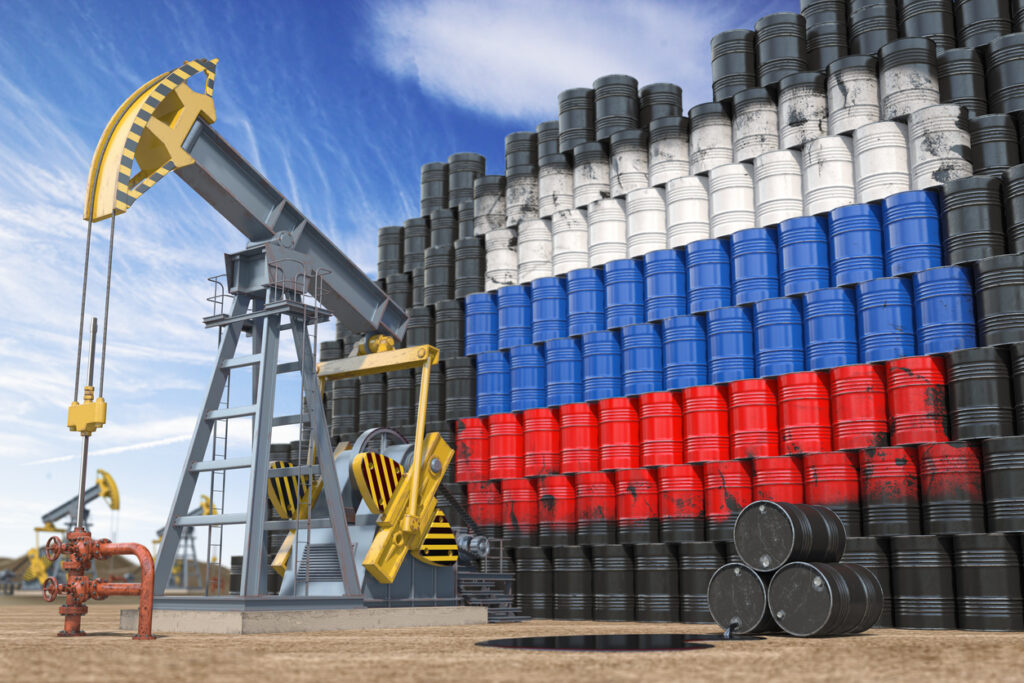
The global energy landscape is once again at a critical juncture, with recent diplomatic exchanges between the United States and the European Union signaling a renewed push to accelerate Europe’s disengagement from Russian natural gas. This strategic pivot, advocating for a dramatically shortened timeline from the current 2028 target, carries profound implications for energy markets, supply chains, and investor strategies. As US Energy Secretary Chris Wright communicated to EU officials in Brussels, a complete phase-out of Russian gas could be achievable within six to 12 months, primarily through increased reliance on US liquefied natural gas (LNG) imports. While the EU’s initial proposals aimed for a more gradual transition, the urgency of geopolitical events is compelling a re-evaluation, forcing investors to assess the feasibility and market ramifications of such an ambitious shift.
The Accelerated European Energy Pivot: Ambition Meets Reality
The prospect of Europe phasing out Russian gas within a year, as championed by US Energy Secretary Chris Wright, presents both a formidable challenge and a significant opportunity for energy markets. This aggressive timeline contrasts sharply with the EU’s existing legal proposals, which target a full exit by January 2028, with short-term contract bans commencing next year. While EU Energy Commissioner Dan Jorgensen acknowledged the unacceptability of continued Russian energy imports, he also underscored the ambition of even the 2028 target, designed to mitigate price spikes and supply shortages for member states. Crucially, such a rapid shift would necessitate unanimous approval from all 27 EU members, a hurdle given previous opposition from nations like Hungary and Slovakia on Russian gas sanctions.
Market analysts offer nuanced perspectives on this accelerated timeline. Florence Schmit, an energy strategist at Rabobank, suggests a faster exit is feasible, but contingent on significant government intervention from Washington to redirect US LNG supplies to Europe. She highlights that the 20-23 billion cubic meters (bcm) of new US LNG export capacity expected next year is nearly sufficient to replace Europe’s forecast 25 bcm of Russian gas imports this year. However, Rystad Energy senior analyst Jan-Eric Fähnrich adds a critical caveat: the viability of such a swift transition also hinges on muted Asian LNG demand next year, influenced significantly by the severity of the upcoming winter. For investors, this creates a complex scenario where political will, logistical capabilities, and global demand dynamics will dictate the pace and profitability of Europe’s energy transformation.
Navigating Market Volatility: Crude Prices and Geopolitical Undercurrents
The energy market, particularly crude oil, remains highly sensitive to geopolitical shifts and supply-demand imbalances, as evidenced by recent trading activity. As of today, Brent Crude trades at $90.38 per barrel, marking a significant 9.07% decline within the day, with an intraday range spanning $86.08 to $98.97. Similarly, WTI Crude has seen a substantial drop, currently at $82.59, down 9.41%, trading between $78.97 and $90.34. This sharp intraday correction comes on the heels of a noticeable downtrend over the past two weeks, during which Brent prices fell from $112.78 on March 30th to $91.87 on April 17th, representing an 18.5% decline. Gasoline prices have also followed suit, trading at $2.93, down 5.18% today.
This market volatility reflects a confluence of factors, including persistent concerns over global economic growth, potential demand weakness, and the ongoing geopolitical tensions that fuel uncertainty. While a faster EU exit from Russian gas could, in theory, bolster demand for alternative fuels like LNG, the immediate sentiment in crude markets appears to be driven by broader macro concerns and profit-taking. For oil and gas investors, this environment demands vigilance. The significant price corrections underscore the need for diversified portfolios and a keen eye on global economic indicators, even as the longer-term structural shifts in European energy demand promise new investment avenues in natural gas and renewable infrastructure.
Upcoming Catalysts: OPEC+ Decisions and Supply Signals
Looking ahead, the next two weeks are packed with critical events that could significantly influence energy market direction, particularly against the backdrop of current crude price declines and the EU’s potential energy pivot. Investors will be keenly watching the upcoming OPEC+ meetings, with the Joint Ministerial Monitoring Committee (JMMC) convening tomorrow, April 18th, followed by the Full Ministerial meeting on April 19th. A key question on the minds of many investors, mirroring inquiries from our readership, is “What are OPEC+ current production quotas?” Given the recent slide in crude prices, there will be intense speculation on whether the alliance will maintain its current production levels or consider adjustments to stabilize the market. Any deviation from expectations could trigger substantial price movements.
Beyond OPEC+, vital supply and demand indicators will be released. The American Petroleum Institute (API) Weekly Crude Inventory reports on April 21st and April 28th, followed by the official EIA Weekly Petroleum Status Reports on April 22nd and April 29th, will provide crucial insights into US crude stockpiles and refined product demand. These reports are leading indicators for short-term market balances. Additionally, the Baker Hughes Rig Count, scheduled for April 24th and May 1st, will offer a glimpse into future US oil and gas production activity. Collectively, these events will provide essential data points for investors assessing short-term trading opportunities and adjusting their longer-term outlooks in a dynamic market environment.
Investor Outlook: Positioning for a Reshaped Energy Future
The confluence of geopolitical imperatives, market volatility, and structural shifts in energy supply chains is reshaping investor priorities. Our proprietary data indicates that readers are actively seeking clarity on long-term price trajectories, with questions like “what do you predict the price of oil per barrel will be by end of 2026?” becoming increasingly common. While precise predictions are inherently challenging given the multitude of variables, the drive for a faster EU exit from Russian gas introduces a powerful new dynamic. This move strongly favors US LNG exporters and the associated midstream infrastructure. Companies involved in liquefaction, shipping, and regasification terminals in Europe stand to benefit from sustained, high demand.
Furthermore, the long-term implications extend beyond natural gas. Europe’s accelerated energy independence strategy will likely spur increased investment in renewable energy sources and energy efficiency initiatives, offering diversified opportunities for investors. However, the political complexities within the EU, where new sanctions require unanimous approval, mean that the path to a rapid phase-out will not be smooth. Investors should focus on companies with robust balance sheets, diversified asset bases, and strategic positioning in both traditional energy production and the evolving LNG value chain. The coming months will test the resolve of European policymakers and the adaptability of global energy markets, creating both risks and significant upside for those positioned to navigate the transition.