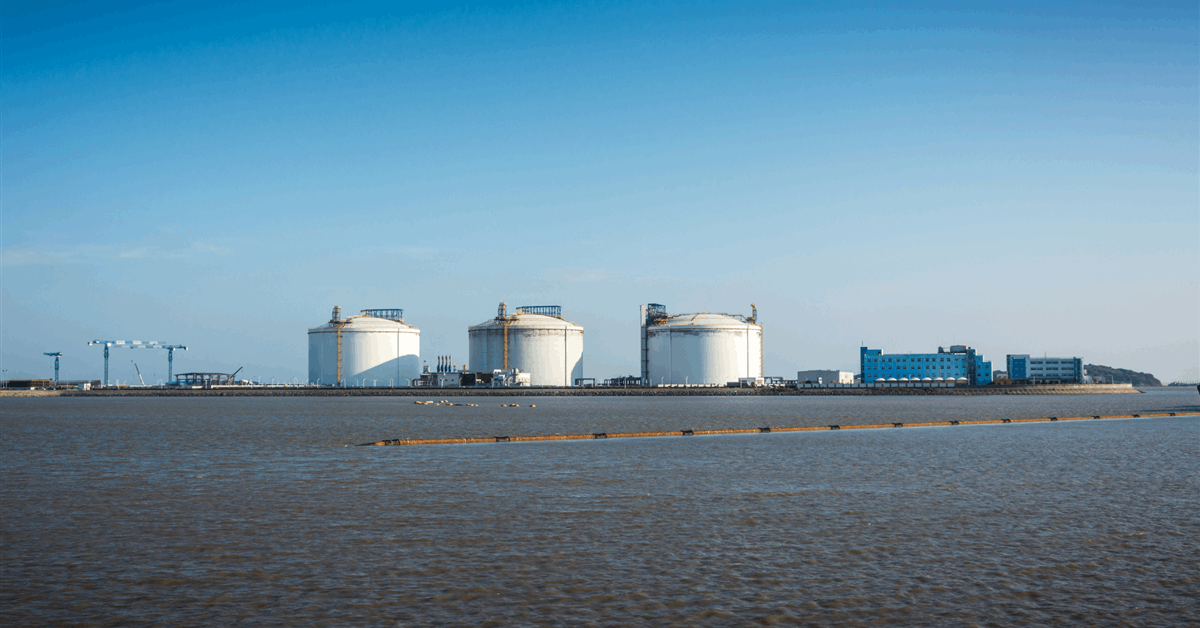
Montenegro’s ambitions to become a significant player in Europe’s energy landscape recently received a fresh impetus with the signing of a Memorandum of Understanding (MoU) between the Montenegrin government and Japan’s JERA Co Inc. This agreement signals a serious commitment to exploring the development of an integrated liquefied natural gas (LNG) terminal and an associated gas-fired power generation plant. For investors closely tracking the evolving global energy matrix, particularly in regions striving for enhanced energy independence and diversification, this initiative presents a compelling case study. While the Balkans have long been a strategic crossroads, the push for modern energy infrastructure, bolstered by partnerships with global giants like JERA, underscores a transformative period. This analysis delves into the strategic implications of this latest development, its context within Montenegro’s broader energy strategy, and what it means for the regional and international energy investment outlook.
Montenegro’s Strategic Gambit: Pioneering a New Balkan LNG Hub
The core of the recent MoU between Montenegro and JERA revolves around a comprehensive feasibility study. This study will meticulously examine the technical, commercial, and financial viability of constructing an LNG terminal and an adjacent gas-fired power plant. For Montenegro, a relatively small nation with significant energy aspirations, such a project is not merely about infrastructure; it’s a cornerstone of national energy security and sustainable development. As Minister Admir Sahmanovic articulated, the study will provide critical data to inform strategic decisions. The potential for a dedicated LNG import facility would drastically diversify Montenegro’s energy supply, reducing reliance on less predictable or geographically constrained sources. A gas-fired power plant, in turn, offers a more flexible and lower-emission alternative to traditional fossil fuels, aligning with broader European energy transition goals. JERA, with its extensive global experience in LNG infrastructure and complex international energy projects, is uniquely positioned to evaluate and potentially execute such a vision, bringing both technical expertise and financial clout to the table.
Navigating a Crowded Field: The Evolving Landscape of Montenegro’s Energy Partnerships
The JERA MoU is not Montenegro’s first foray into exploring LNG and gas-fired power solutions. Investors should note that this latest development follows a series of similar agreements, indicating a consistent, albeit evolving, strategic direction. In 2023, the Montenegrin government signed an MoU with Canadian Enerflex Ltd. and US-based Wethington Energy Innovation LLC, also targeting an LNG terminal in the crucial Port of Bar and a greenfield gas-fueled thermopower plant. Prior to that, in December 2021, state-owned power utility Elektroprivreda Crne Gore AD Niksic (EPCG) engaged with Singapore-based LNG Alliance Pte Ltd for joint studies concerning potential gas power plants in Bar and Podgorica, again with a dedicated import terminal in the Port of Bar envisioned. This pattern of multiple engagements suggests Montenegro is actively exploring various pathways and partners to de-risk and accelerate its energy transformation. While some might view this as a competitive landscape, it also signifies the seriousness of Montenegro’s intent and its desire to secure the best possible terms and expertise. JERA’s entry, given its scale and global reach, could either consolidate these efforts or add another layer of strategic complexity, as Montenegro seeks the optimal model for project implementation.
Global Market Dynamics and the Economics of LNG Investments
The economic viability of long-term LNG infrastructure projects is inextricably linked to global energy market dynamics. As of today, Brent crude trades at $98.27, reflecting a modest -1.13% daily dip, while WTI crude stands at $89.88, down -1.41%. These movements, though seemingly minor on a daily basis, are part of a larger trend. Over the past two weeks, Brent crude has seen a significant correction, falling from $112.57 on March 27 to $98.57 yesterday, representing a $-14 or -12.4% decline. This volatility highlights the sensitivity of the broader energy complex to global supply, demand, and geopolitical factors. Investors are keenly watching these price trends, and our reader intent data confirms this, with frequent queries about the current Brent crude price and the factors powering its movements. While Montenegro’s project focuses on natural gas, the pricing of LNG often correlates with crude oil benchmarks, making the overall energy market sentiment a crucial factor for attracting investment and ensuring project profitability. Sustained lower crude prices could, in some scenarios, ease the cost burden for imported LNG, but also potentially impact the perceived urgency or competitive advantage of new gas projects if alternative energy sources become more attractive.
Forward Outlook: Key Milestones and Catalysts for Balkan Energy Investment
Looking ahead, the next steps for Montenegro’s LNG ambitions will be closely watched. The immediate focus is on the outcomes of the JERA feasibility study. This detailed assessment will determine the project’s specific scope, location, and financial structure, paving the way for potential implementation agreements. Beyond this specific project, the broader energy market landscape will continue to evolve, influenced by a series of upcoming events that investors need to monitor. The next 14 days include critical industry markers such as the Baker Hughes Rig Count on April 17 and April 24, providing insights into drilling activity and potential future supply. More significantly, the OPEC+ Joint Ministerial Monitoring Committee (JMMC) meeting on April 18, followed by the full OPEC+ Ministerial Meeting on April 20, will be pivotal. These gatherings will shape global crude production quotas, directly influencing international oil prices and, by extension, the economics of natural gas projects. Our reader data indicates strong investor interest in “OPEC+ current production quotas,” underscoring the market’s focus on these supply-side decisions. Further weekly insights will come from the API and EIA crude inventory reports on April 21/22 and April 28/29. For Montenegro, successful project development could transform its energy profile, attracting further foreign direct investment and potentially positioning it as a regional energy hub, especially for gas supply to neighboring landlocked Balkan nations. The coming months will be critical in translating these ambitious MoUs into concrete infrastructure, offering significant opportunities for long-term investors in the evolving European energy narrative.


