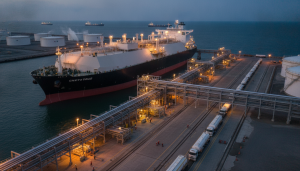
The intricate dance between geopolitical ambition and economic pragmatism continues to define Europe’s energy landscape. Despite vocal commitments to diversify away from Russian energy, proprietary data from OilMarketCap.com and recent market developments reveal a stark reality: economics are triumphing over sanctions, particularly in the critical liquefied natural gas (LNG) sector. While several European nations, including Germany, Italy, Greece, the Netherlands, and France, are actively pursuing new or expanded LNG projects, the bloc’s reliance on Russian LNG not only persists but, in some crucial instances, has deepened. This presents a complex challenge for policymakers and an evolving set of opportunities and risks for energy investors.
Europe’s Enduring Appetite for Russian LNG
The narrative of Europe’s energy independence from Russia often overlooks a significant detail: the continent remains the world’s largest buyer of Russian LNG. Our analysis confirms that Europe accounts for a staggering 51% of Russian LNG sales globally. This isn’t merely a legacy issue; the data points to a growing dependency. In the first half of 2025, European LNG imports from Russia actually surged from 3.47 billion euros to 4.48 billion euros. This increase, despite a stated goal to eliminate Russian LNG imports by the end of 2027, underscores the powerful role of market forces and existing infrastructure in shaping energy procurement decisions. Prominent importers include nations like France, Spain, and the Netherlands, which are often at the forefront of advocating for sanctions, creating a challenging paradox for the bloc’s unified stance.
Infrastructure as the Foundation of Energy Security
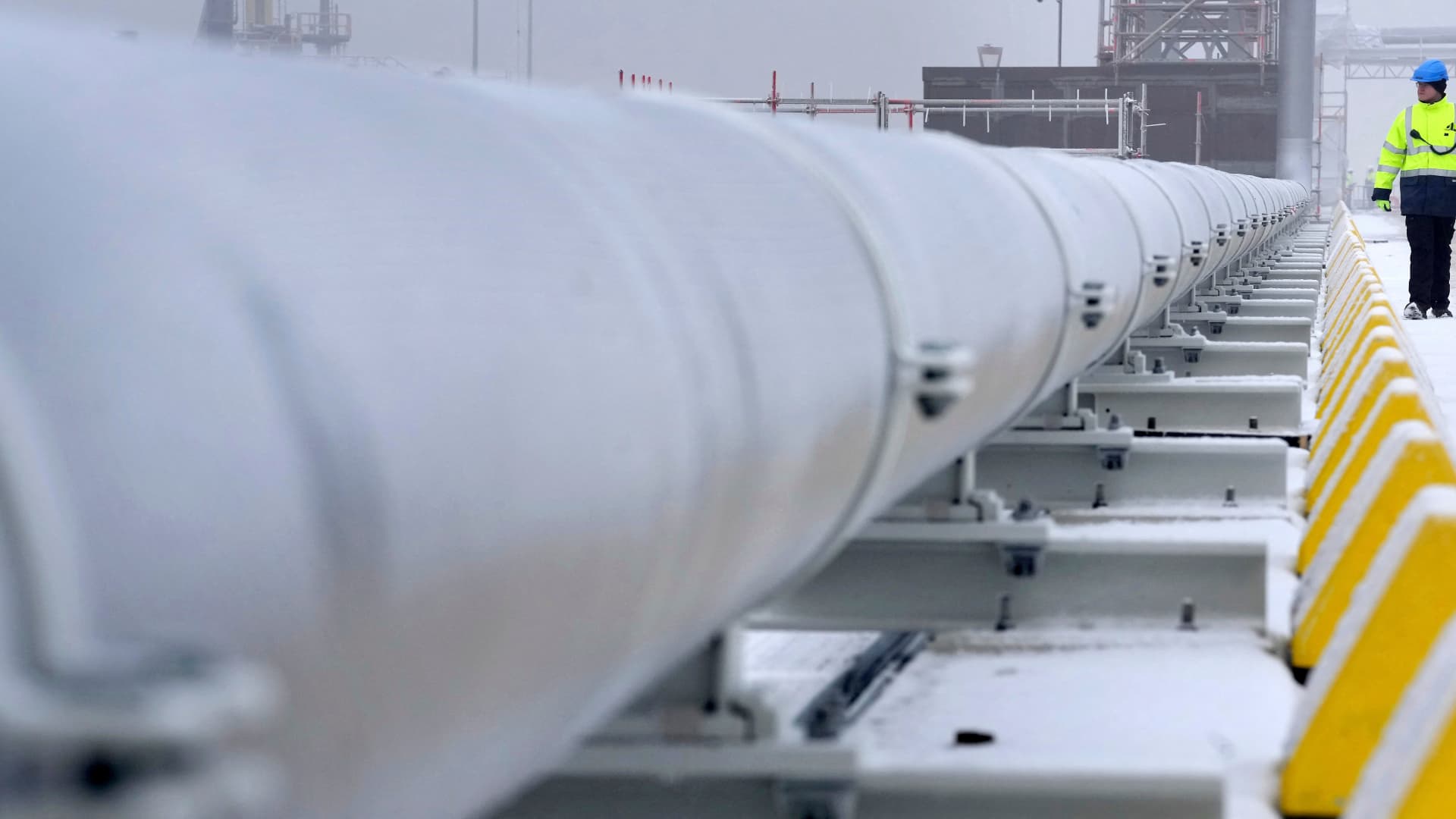
The ability to pivot away from Russian pipeline gas has been heavily dependent on robust alternative infrastructure. Italy serves as a prime example, significantly reducing its Russian gas imports thanks to strategic investments in LNG infrastructure, spearheaded by companies like Eni. This highlights a critical lesson for investors: infrastructure development is not just about capacity but also about strategic flexibility and market access. The ongoing wave of new LNG project announcements across Europe signals a long-term commitment to diversifying supply routes and sources. For investors, this translates into sustained opportunities in LNG terminal development, regasification facilities, and associated pipeline networks. However, the existing infrastructure, or lack thereof, also explains why some nations find it harder to switch, making the economic path of least resistance — continued Russian LNG imports — an unfortunate necessity.
Navigating Volatile Markets: Investor Questions and Price Realities
Current market dynamics add another layer to Europe’s energy decisions. As of today, Brent crude trades at $98.38 per barrel, down 1.02% from its opening, within a daily range of $97.92-$98.67. This marks a significant shift from just two weeks ago, when Brent was trading above $112. The 14-day trend shows Brent dropping by approximately $14, or 12.4%, from $112.57 on March 27 to $98.57 on April 16. Such a pronounced downward trajectory in crude prices can influence overall energy commodity pricing, making cheaper Russian LNG, even under sanction, a more attractive proposition for European buyers facing domestic economic pressures. Our reader intent data reveals that investors are keenly focused on “What is the current Brent crude price?” and “What are OPEC+ current production quotas?” These questions underscore a broader concern about global supply stability and price volatility, factors that directly impact the cost-effectiveness of Europe’s energy sourcing. The sustained high price environment, despite recent dips, alongside the desire for energy security, continues to fuel interest in all available, economically viable energy sources, including Russian LNG.
Forward Outlook: Geopolitical Tensions and Supply Decisions
The coming weeks are set to bring critical developments that could further shape the global energy market and, by extension, Europe’s energy calculus. The OPEC+ Joint Ministerial Monitoring Committee (JMMC) meeting on April 18, followed by the Full Ministerial meeting on April 20, will be closely watched by investors. Decisions on production quotas from these meetings will directly impact global oil supply and prices, setting a tone for the broader energy complex. Any shifts could either alleviate or exacerbate the economic pressures driving Europe’s LNG choices. Furthermore, the weekly API and EIA crude inventory reports, scheduled for April 21/22 and April 28/29, will provide fresh insights into demand trends in major consuming nations, offering further signals to the market. For investors, monitoring these upcoming events is crucial for understanding potential price movements and identifying strategic entry or exit points in energy-related assets. The continued reliance on Russian LNG, despite political rhetoric, indicates that for the foreseeable future, European energy strategy will remain a complex interplay of security, economics, and infrastructure, with significant implications for global commodity markets.