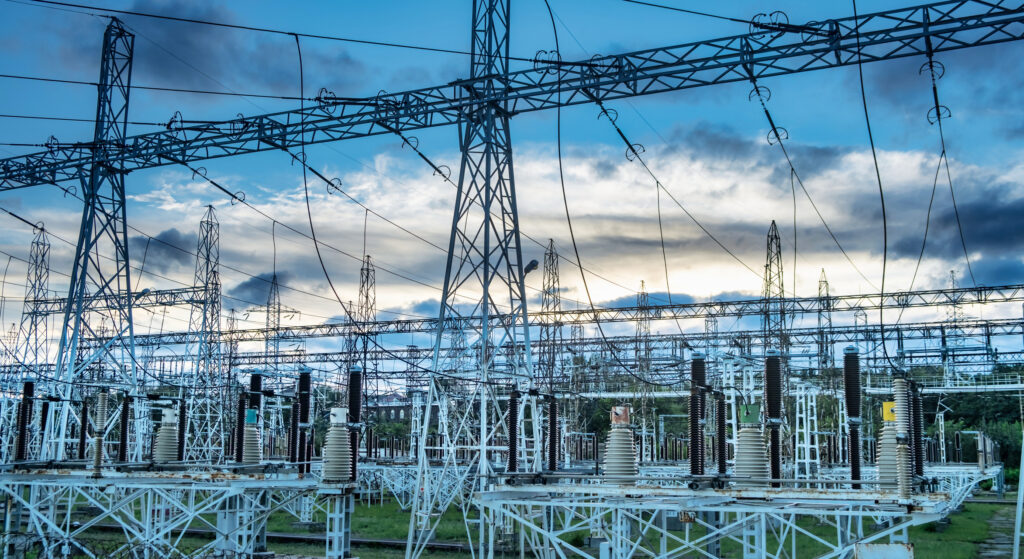
The U.S. energy landscape is undergoing a profound transformation, with electricity consumption poised for unprecedented growth in 2025 and 2026. This surge, primarily driven by the insatiable demands of artificial intelligence (AI) data centers and a resurgence in industrial activity, presents a compelling long-term bullish signal for the broader oil and gas sector. As investment analysts, we must look beyond immediate market fluctuations to understand how this structural shift in power demand will ripple through commodity markets, influencing everything from natural gas consumption to the strategic decisions of global producers.
The Structural Shift: Unprecedented US Power Demand Growth
After two decades of relatively flat electricity consumption, the United States is bracing for a significant uptick in power demand, a trend that carries substantial implications for energy investors. The U.S. Energy Information Administration (EIA) now projects U.S. electricity consumption to reach 4,187 billion kilowatt-hours (kWh) in 2025, climbing further to 4,305 billion kWh in 2026. These figures represent new record highs, comfortably surpassing the 2024 peak of 4,097 billion kWh. This revised outlook reflects a substantial increase from earlier projections, with total U.S. generation by the electric power sector expected to grow by 2.3% in 2025 and a further 3.0% in 2026. This is a marked acceleration from the 1.5% average growth initially anticipated for both years.
The primary catalysts for this demand surge are clear: the exponential expansion of AI-driven data centers and the onshoring of manufacturing activity. Goldman Sachs estimates that U.S. electrical power demand could rise by 2.4% annually through 2030, with AI-related demand alone accounting for roughly two-thirds of this incremental power consumption. Utilities are already responding, with record investments in transmission and grid infrastructure to accommodate this future load. While the exact magnitude of AI’s power appetite still carries a “massive margin of error” according to industry analysts, the direction is undeniable. This structural demand shift, fueled by technological advancement and industrial policy, lays a critical foundation for sustained energy demand, impacting natural gas as a primary power generation fuel and, by extension, the entire energy complex.
Current Market Dynamics Amidst Long-Term Bullish Signals
While the long-term outlook for energy demand from the US power sector appears robust, current market dynamics for crude oil show a different picture. As of today, Brent crude trades at $98.38 per barrel, reflecting a 1.02% decline within the day’s range of $97.92 to $98.67. Similarly, WTI crude is priced at $89.99 per barrel, down 1.29% from its daily high of $90.26. This current pricing represents a notable retreat from recent highs; Brent crude has seen a significant correction, dropping from $112.57 on March 27th to yesterday’s close of $98.57, marking a decline of nearly $14, or 12.4%, in less than three weeks. Gasoline prices, at $3.09, have remained relatively stable within a tight daily range.
This divergence between a robust forward demand signal from the US power sector and the immediate softness in crude prices presents a nuanced environment for investors. The short-term price pressure likely stems from broader macroeconomic concerns, inventory data, and geopolitical developments. However, the underlying theme of accelerating US electricity consumption, particularly from energy-intensive sectors like AI, serves as a powerful counter-narrative for the medium to long term. Investors must weigh the immediate volatility against these structural tailwinds, recognizing that increased electrification, even if powered by natural gas, still places upward pressure on overall energy intensity and can indirectly tighten global crude markets through industrial activity and competition for resources.
Navigating Upcoming Catalysts and Investor Inquiries
With the market digesting these shifting demand narratives and recent price volatility, investors are keenly focused on upcoming supply-side catalysts. Our proprietary reader intent data reveals a heightened interest this week in “OPEC+ current production quotas” and a desire to understand “What is the current Brent crude price and what model powers this response?” This indicates a clear investor focus on the immediate supply picture and reliable market intelligence amidst uncertainty.
Looking ahead, the next 14 days are packed with critical events that will shape the near-term crude market. Investors are keenly awaiting the OPEC+ Joint Ministerial Monitoring Committee (JMMC) meeting scheduled for April 18th, followed by the full Ministerial meeting on April 20th. These gatherings are pivotal, as OPEC+ decisions on production quotas will directly impact global crude supply levels. Will the group maintain current cuts in the face of recent price declines, or will the looming prospect of stronger demand, partly fueled by the US power surge, influence their strategy? Beyond OPEC+, we have the API Weekly Crude Inventory reports on April 21st and 28th, along with the EIA Weekly Petroleum Status Reports on April 22nd and 29th. These reports provide crucial insights into US supply and demand balances, including refined product inventories which are directly affected by industrial and consumer activity. Furthermore, the Baker Hughes Rig Count on April 17th and 24th will offer a snapshot of US upstream drilling activity, signaling future domestic production trends. Together, these events will provide immediate directional cues, but their long-term significance will be viewed through the lens of the expanding US power demand thesis.
Investment Implications: Where to Find Opportunity in the Power Surge
The projected surge in U.S. electricity consumption, primarily driven by data centers and industrial expansion, opens distinct avenues for oil and gas investors. While the immediate beneficiaries might appear to be utilities and renewable energy providers, the sheer scale of demand growth means that natural gas will play an indispensable role as a reliable, dispatchable power source, especially to backstop intermittent renewables. This translates to a potentially stronger and more consistent demand profile for natural gas producers, particularly those operating in key supply basins feeding the ERCOT and PJM systems, which have already incorporated higher load growth assessments.
For broader oil and gas investment, the implications are two-fold. First, the industrial onshoring trend, a key driver of increased electricity demand, simultaneously boosts demand for industrial fuels and petrochemical feedstocks derived from crude oil and natural gas liquids. This creates a synergistic demand environment. Second, the massive capital expenditure by utilities into grid infrastructure, while not directly involving crude oil, underscores a broader economic expansion that typically correlates with increased energy consumption across all sectors. Investors should scrutinize companies with strong natural gas production profiles, those involved in midstream infrastructure connecting production to demand centers, and energy service companies supporting the build-out of new power generation and transmission. Despite the “massive margin of error” in AI demand forecasts, the certainty of substantial growth dictates a re-evaluation of long-term energy portfolios, favoring positions that can capitalize on this profound shift in America’s power appetite.