Singapore’s Green Capital Anchor: A Signal for Oil & Gas Investors
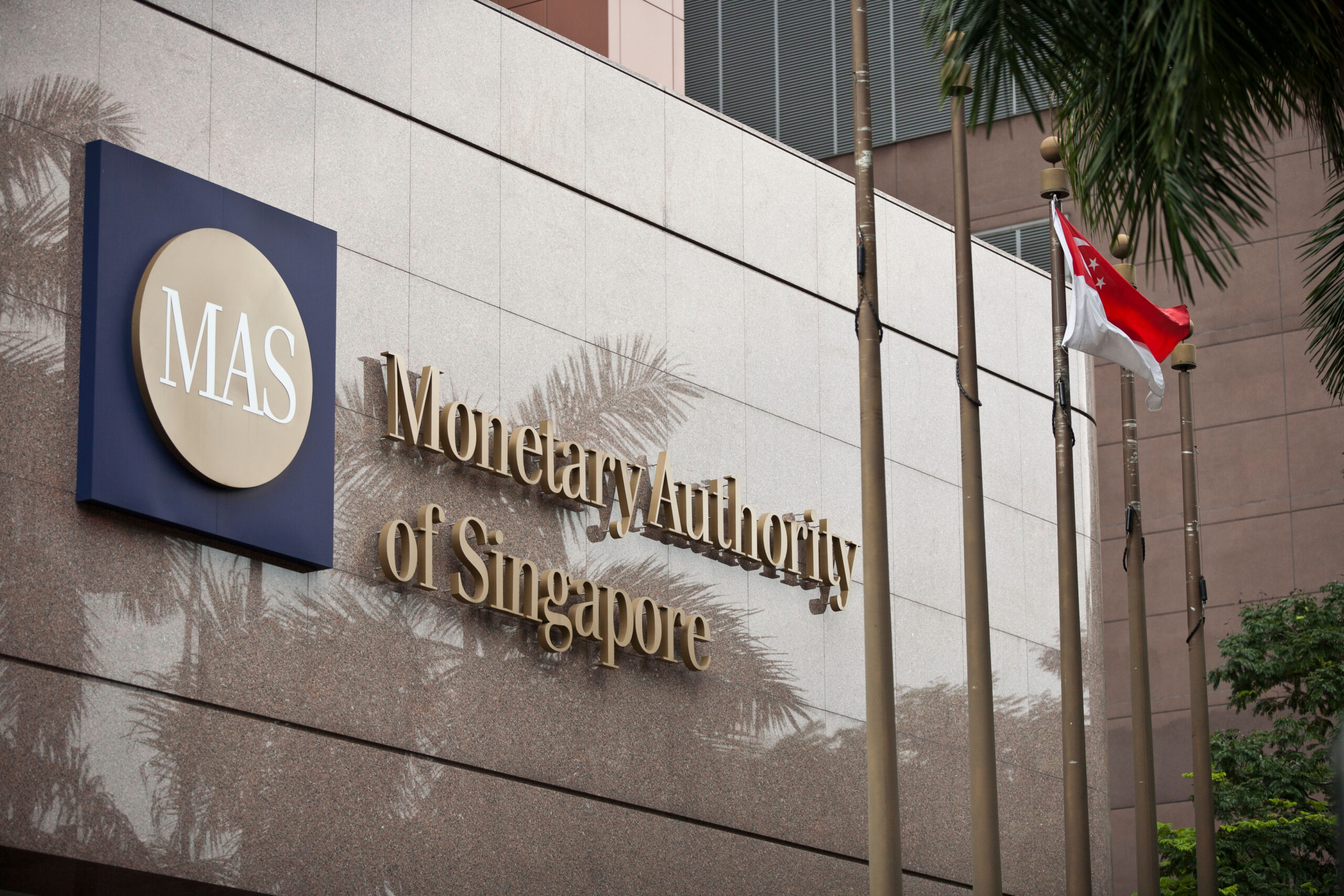
Singapore’s recent commitment of $510 million to the Green Investments Partnership, earmarked for sustainable transport, renewable energy, and storage projects across Southeast and South Asia, marks a significant inflection point in regional capital allocation. For seasoned oil and gas investors, this isn’t merely a headline about environmental finance; it’s a potent signal regarding the accelerating shift in investment priorities and the evolving risk-reward calculus in one of the world’s most critical energy demand centers. This initiative, managed by Pentagreen Capital and backed by a blend of commercial and concessional capital from entities like HSBC, Temasek, and the Australian government, aims to de-risk projects traditionally overlooked by conventional finance. Understanding its structure and regional implications is crucial for portfolio strategists navigating the complex intersection of traditional energy markets and the burgeoning green transition.
Diverging Capital Flows: Green Infrastructure vs. Crude Volatility
The strategic deployment of $510 million into de-risked green infrastructure stands in stark contrast to the immediate volatility gripping conventional energy markets. As of today, Brent crude trades at $98.17, reflecting a -1.23% dip within its day range of $97.92-$98.58. Similarly, WTI crude is at $89.89, down -1.4%. This immediate downward pressure follows a notable decline over the past two weeks, where Brent crude shed approximately $14, falling from $112.57 on March 27th to $98.57 by April 16th. This 12.4% contraction underscores the persistent short-term sensitivities of fossil fuel prices to geopolitical shifts, inventory data, and demand sentiment.
Against this backdrop of fluctuating crude prices, the Singapore-led green fund signifies a long-term, structural commitment. It highlights a growing segment of institutional capital actively seeking stable, de-risked returns in renewable energy and sustainable infrastructure, particularly in regions like Southeast and South Asia where energy demand is escalating. For investors, this creates a bifurcated landscape: continued tactical plays in volatile crude markets versus strategic, long-horizon allocations in energy transition assets that benefit from blended finance structures designed to mitigate risk and accelerate deployment.
Navigating Policy Signals and Future Supply Dynamics
The confluence of capital redirection towards green projects and the ongoing fundamental drivers of oil markets necessitates a dual-lens approach for investors. The Singapore initiative, while focused on green assets, operates within a broader energy ecosystem still heavily reliant on fossil fuels. Investors must therefore look ahead to upcoming events that will shape both traditional supply and policy frameworks.
Key on the calendar are the OPEC+ meetings, with the JMMC scheduled for April 18th and the Full Ministerial Meeting set for April 20th. Decisions from these gatherings regarding production quotas will directly impact global crude supply and, consequently, price stability. A tightening of quotas could underpin prices, potentially making green alternatives relatively less competitive in the short term, while an easing could exacerbate the downward pressure observed recently. Simultaneously, the Baker Hughes Rig Count reports (April 17th and 24th) offer a pulse on North American drilling activity, hinting at future supply trends. Further insights into immediate supply-demand balances will come from the API Weekly Crude Inventory (April 21st, 28th) and the EIA Weekly Petroleum Status Report (April 22nd, 29th). These reports are critical for understanding the short-to-medium term trajectory of oil markets, even as long-term capital flows increasingly favor green projects. The $510 million Singapore fund, by targeting key growth regions, implicitly challenges the long-term demand assumptions for traditional fuels, signaling a future where policy and financial incentives actively steer energy consumption away from high-carbon sources.
Investor Questions Reflect a Market in Transition
Our proprietary reader intent data reveals a clear picture of investor focus: immediate market fundamentals and the tools to analyze them. Questions like “What are OPEC+ current production quotas?” and “What is the current Brent crude price and what model powers this response?” dominate inquiries. This underscores that while significant capital is moving into green initiatives, a large segment of the investor base remains acutely focused on the core drivers of the traditional oil and gas market.
However, the Singapore fund’s structure offers a strategic counterpoint to this immediate focus. By blending commercial and concessional capital, it addresses a key investor concern: project risk in emerging markets. This de-risking mechanism is designed to attract commercial investors who might otherwise shy away from frontier green projects, offering a different value proposition than the often-volatile direct plays in crude or exploration. For oil and gas investors, this highlights an evolving landscape where traditional market analysis must be augmented with an understanding of new financing models and the strategic deployment of capital into the energy transition. The fund’s success in mobilizing capital for “marginally bankable” projects could set a precedent, influencing future investment criteria and potentially redirecting more capital away from traditional fossil fuel development in the long run. Investors are increasingly seeking robust data and analytical platforms to navigate these converging and diverging market forces, as evidenced by interest in what data sources power our market intelligence.


