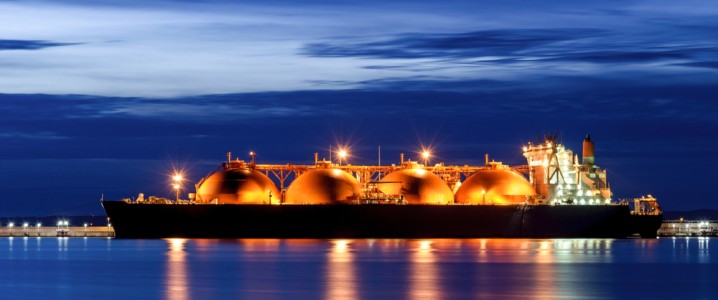
The global energy landscape is undergoing a significant re-alignment, and few developments underscore this more acutely than the recent operational acceleration of Russia’s Arctic LNG 2 project. Despite facing comprehensive sanctions from the United States, the European Union, and the United Kingdom, including the blacklisting of numerous LNG vessels, this ambitious venture has seemingly found its footing. This shift marks a pivotal moment, signaling a potential softening of the sanctions regime’s impact or, more likely, the emergence of new, willing buyers, predominantly in China. For astute investors, understanding the implications of this defiance is crucial, especially as broader market volatility continues to define commodity trading. As of today, Brent Crude trades at $90.38, marking a sharp 9.07% decline from its opening, while WTI Crude mirrors this sentiment at $82.59, down 9.41%. Gasoline prices have also seen a notable dip to $2.93, a 5.18% decrease, reflecting a broader market sentiment under pressure.
Arctic LNG 2 Ships Cargoes, Testing Sanctions Enforcement
For over a year, the Arctic LNG 2 project was largely dormant, a testament to the initial effectiveness of Western sanctions designed to cripple Russia’s energy export capabilities. However, recent weeks have seen a dramatic resurgence in activity. Proprietary vessel-tracking data analyzed by OilMarketCap.com indicates a notable increase in cargo loadings and shipments from the facility. Crucially, a sixth LNG tanker loaded from the Arctic this year, with one cargo successfully docking at a Chinese import terminal. This delivery, reportedly by the Arctic Mulan LNG tanker to the Beihai terminal, represents the first confirmed export from the facility, signifying a major breakthrough for the project and a clear challenge to existing sanctions. The fact that sanctioned vessels, such as the La Perouse, are now openly transiting without apparent attempts to obscure their AIS signals, as observed on August 30-31 and in subsequent movements, suggests a calculated move to test the resolve of the current U.S. administration regarding secondary sanctions enforcement. This development not only provides a lifeline for the project but also sets a precedent for how future sanctioned energy initiatives might navigate geopolitical barriers, presenting both risks and opportunities for global energy investors.
Market Headwinds and the Broader Energy Price Picture
The emergence of new, albeit sanctioned, LNG supply into the global market coincides with a period of significant volatility in crude prices. OilMarketCap’s live market feeds show Brent Crude trading at $90.38 today, a substantial 9.07% drop, with WTI Crude following suit at $82.59, down 9.41%. This daily downturn is part of a larger trend, as our 14-day Brent trend data reveals a decline from $112.78 on March 30 to $91.87 just yesterday, representing a roughly 18.5% erosion in value. While LNG and crude oil markets operate with distinct supply-demand dynamics, a new source of energy supply, even if constrained by sanctions, can contribute to overall market sentiment, particularly concerning global energy availability. Investors are currently grappling with a complex web of factors, including macroeconomic indicators, geopolitical tensions, and the effectiveness of supply management by major producers. The successful, overt shipment of Arctic LNG 2 cargoes adds another layer of complexity, potentially signaling a more robust global supply picture than previously assumed, which can exert downward pressure across the energy complex.
Geopolitical Implications and Investor Risk Assessment
The successful export of Arctic LNG 2 cargoes, particularly to China, has profound geopolitical implications that investors must carefully consider. It highlights China’s willingness to absorb sanctioned Russian energy, likely at a discount, thereby strengthening the economic ties between the two nations and potentially challenging the efficacy of Western financial and trade restrictions. This move also raises questions about the future of energy sanctions. Will the U.S. and its allies escalate enforcement to target buyers, or will a pragmatic approach prevail given the global demand for energy? For investors, this creates a bifurcated market: one operating under traditional rules and another increasingly influenced by geopolitical alignments and discounted trades. Companies with exposure to both sanctioned entities and those that might engage with them face elevated compliance risks, while others might seek opportunities in the shifting trade routes and new market access points. Understanding the long-term geopolitical strategies of major energy players and consuming nations is paramount for navigating this evolving landscape.
Forward-Looking Catalysts and Investor Outlook
Looking ahead, the energy market is poised for several critical events that will significantly influence prices and investor sentiment, particularly against the backdrop of new supply from projects like Arctic LNG 2. This weekend, investors will keenly watch the OPEC+ Joint Ministerial Monitoring Committee (JMMC) meeting on April 18, followed by the Full Ministerial meeting on April 19. A key question on the minds of many OilMarketCap readers, and a frequent query to our AI assistant, is “What are OPEC+ current production quotas?” The cartel’s decisions regarding these quotas will be instrumental in balancing global crude supply, especially as some market participants anticipate potential adjustments in response to perceived oversupply or demand weakness. Any significant policy shift could either amplify or mitigate the price pressures seen recently. Further insight into market fundamentals will come from the API Weekly Crude Inventory report on April 21 and the EIA Weekly Petroleum Status Report on April 22, offering crucial data on U.S. inventory levels. For investors asking about “what do you predict the price of oil per barrel will be by end of 2026?”, these upcoming events, combined with the successful operationalization of projects like Arctic LNG 2, will feed into complex models. While specific price predictions are inherently challenging, the sustained supply from Russia and the response of OPEC+ will be critical variables shaping the long-term price trajectory and investment strategies in the oil and gas sector.


