In an increasingly complex global energy landscape, characterized by geopolitical shifts and persistent market volatility, energy security has surged to the forefront of strategic imperatives for national and regional players alike. Against this backdrop, ORLEN SA’s recent moves underscore a proactive and integrated approach to fortifying its supply chains and enhancing regional resilience. The signing of a significant crude oil supply agreement with Equinor, coupled with a concurrent boost in natural gas production from the Ormen Lange field, signals a concerted effort by the Polish energy giant to de-risk its operations, diversify its energy mix, and secure long-term stability. For investors, these developments offer crucial insights into ORLEN’s strategic positioning and its potential to navigate the inherent uncertainties of the global oil and gas markets, particularly as Europe continues its pivot away from Russian energy sources.
Fortifying Supply Chains: ORLEN’s Strategic Crude Diversification
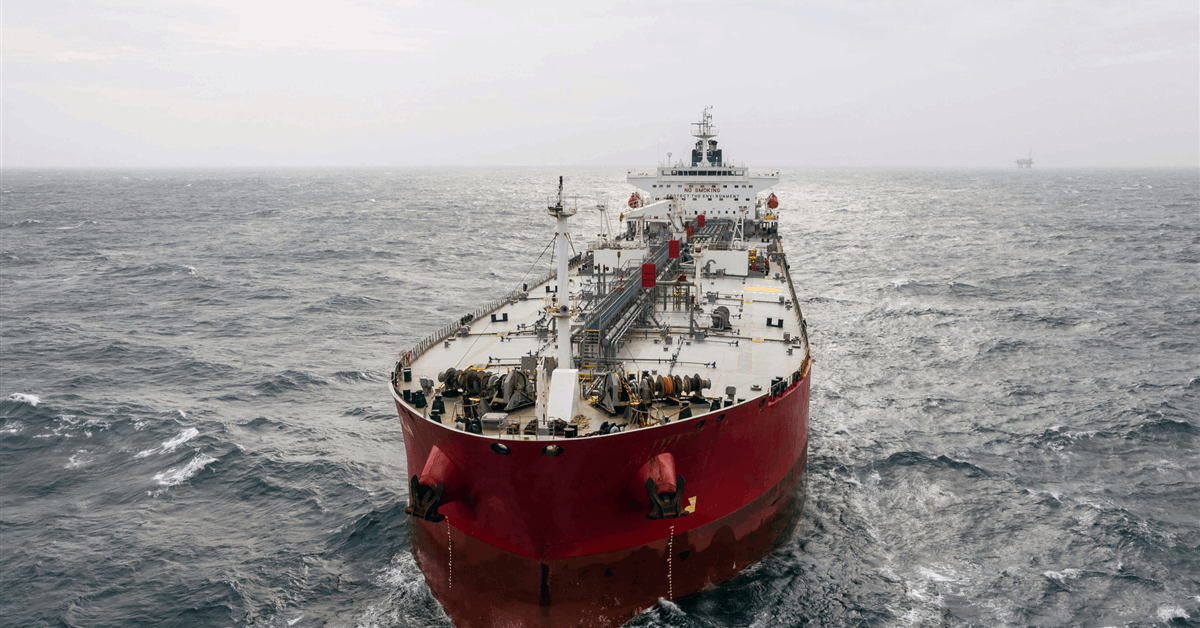
ORLEN’s new contract with Equinor for the supply of over 6 million metric tons of crude oil from Norway’s Johan Sverdrup field represents a pivotal step in its energy security strategy. This substantial volume is projected to cover approximately 15 percent of the ORLEN Group’s annual oil demand, significantly reducing reliance on alternative, potentially less stable, sources. Deliveries are set to commence in September, providing a clear timeline for the integration of this new supply stream. While financial terms remain undisclosed, the strategic value of securing a one-year contract for high-quality crude, directly from the Norwegian port of Mongstad, cannot be overstated. Shipments are not only earmarked for refineries in Poland but also for facilities in Lithuania and the Czech Republic, extending the security benefits across a critical regional energy network. This move emphatically reinforces ORLEN’s commitment to having “fully eliminated Russian crude from all our refineries,” a declarative statement of its successful diversification efforts. Furthermore, the selection of Johan Sverdrup crude, known for its high production efficiency and significantly reduced CO2 emissions due to shore-powered operations, aligns with evolving environmental, social, and governance (ESG) considerations, offering a dual benefit of supply security and a lower carbon footprint for its refining operations.
Navigating Volatility: Market Dynamics and ORLEN’s Hedging Strategy
ORLEN’s long-term supply agreement with Equinor arrives at a particularly opportune moment, offering a measure of stability in a crude market that has recently seen considerable fluctuations. As of today, Brent crude trades at $90.38 per barrel, marking a significant 9.07% decline within the day, with its range fluctuating wildly between $86.08 and $98.97. Similarly, WTI crude stands at $82.59, down 9.41% over the same period. This sharp daily dip follows a broader downward trajectory, with Brent having fallen from $112.78 on March 30th to $91.87 by April 17th, representing an 18.5% decrease over just two weeks. Such pronounced volatility underscores the inherent risks in spot market reliance for refiners. By securing 15% of its annual crude demand through a contracted volume, ORLEN effectively mitigates a portion of its exposure to these dramatic price swings. For investors, this translates into a more predictable cost base for a significant segment of ORLEN’s refining feedstock, potentially bolstering refining margins and operational stability irrespective of short-term market dislocations. This strategic foresight in securing stable supply against a backdrop of dynamic and often unpredictable price movements is a key differentiator for ORLEN’s operational resilience.
Broadening the Energy Mix: ORLEN’s Natural Gas Expansion
Beyond crude oil, ORLEN is simultaneously strengthening its natural gas portfolio, further enhancing its overall energy security strategy. The recent completion of the third phase of development at the Ormen Lange field in the Norwegian Sea, undertaken by ORLEN Upstream Norway and its partners, marks another significant milestone. This project involved the installation of four subsea gas compressors, a critical technological advancement designed to compensate for natural pressure drops in the reservoir and sustain production levels. As a result, ORLEN expects its share of gas from Ormen Lange to increase by approximately 0.5 billion cubic meters per year during the peak output period. Ormen Lange holds a vital position as the second-largest gas field on the Norwegian Continental Shelf, making this production boost highly impactful. This development builds upon an already robust partnership with Equinor, which includes a 10-year agreement for natural gas supplies to Poland and broader collaboration on low-carbon solutions. For investors, ORLEN’s simultaneous investment in both crude oil and natural gas security demonstrates a comprehensive, diversified approach to energy supply, positioning the company to benefit from both segments of the energy market and providing a more robust foundation for its regional energy leadership.
Investor Insights and Forward Trajectory in a Dynamic Market
OilMarketCap.com’s reader intent data reveals investors are keenly focused on future price movements, frequently asking ‘What do you predict the price of oil per barrel will be by end of 2026?’ and ‘What are OPEC+ current production quotas?’ These questions highlight a collective desire for clarity in a market perpetually influenced by geopolitical events and supply-demand imbalances. ORLEN’s proactive long-term contracts offer a partial answer to these concerns, providing a buffer against the uncertainties that drive such inquiries. With the critical OPEC+ Joint Ministerial Monitoring Committee (JMMC) meeting today, April 18th, followed by the Full Ministerial meeting tomorrow, April 19th, the market anticipates potential shifts in supply strategy. These events, alongside weekly API and EIA inventory reports (April 21st, 22nd, 28th, 29th) and Baker Hughes rig count data (April 24th, May 1st), will undoubtedly shape short-to-medium term price action. ORLEN’s strategic deals, however, insulate a portion of its operations from the immediate fallout of these announcements, securing base load supply regardless of instantaneous market fluctuations or OPEC+ decisions. This positions ORLEN for more stable operational performance and potentially more predictable earnings, key considerations for long-term investors seeking resilience in a sector prone to volatility and a landscape increasingly demanding both energy security and a clear pathway to lower emissions. The company’s dual focus on secure supply and lower-carbon production methods, as seen with Johan Sverdrup, signals a forward-thinking strategy aligned with both immediate operational needs and future market demands.


