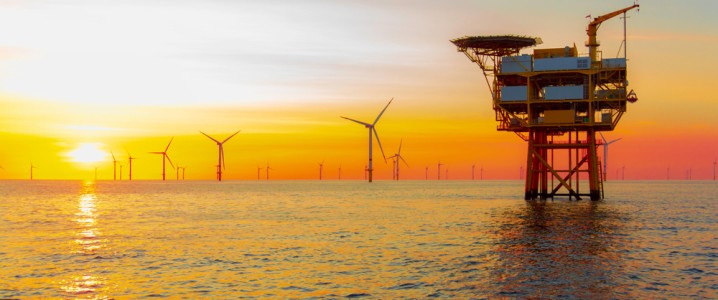
In a move signaling robust long-term conviction in the energy transition, Norwegian energy major Equinor has committed a substantial $939 million to Ørsted’s $9.4 billion rights issue. This investment is designed to maintain Equinor’s 10% ownership stake in the world’s leading offshore wind developer, even as the renewable energy sector, particularly offshore wind, grapples with significant challenges. For investors, this decision by an integrated oil and gas giant like Equinor offers a compelling case study on strategic diversification, capital allocation, and the nuanced long-term outlook for a global energy portfolio. It underscores a belief that despite present headwinds, the fundamental competitiveness of offshore wind in specific geographies remains intact, hinting at a future where traditional energy players will increasingly blend their portfolios with next-generation power sources.
Equinor’s Strategic Bet Amidst Offshore Wind Headwinds
Equinor’s decision to inject nearly a billion dollars into Ørsted is more than just maintaining a stake; it’s a profound declaration of confidence in the future of offshore wind, even as the sector navigates what Ørsted itself described as an “extraordinary situation.” The challenges are well-documented: adverse market developments in the U.S., persistent macroeconomic pressures, and supply chain disruptions have hit project profitability and development timelines. Equinor, having faced similar hurdles with its own U.S. offshore wind ventures like Empire Wind 1, understands these complexities intimately. Yet, its support for Ørsted’s capital raise suggests a belief that these are transient issues, not fundamental flaws in the technology or its long-term economic viability. Furthermore, Equinor explicitly anticipates industry consolidation and the emergence of new business models, viewing this investment as a strategic play to facilitate closer industrial and strategic collaboration with Ørsted. This could unlock significant value for shareholders in both companies, positioning them advantageously as the industry matures and stabilizes.
Navigating a Volatile Energy Landscape: Core Business vs. Future Growth
Equinor’s commitment to offshore wind comes against a backdrop of a dynamic and often volatile traditional oil and gas market. As of today, Brent Crude trades at $98.14, down 1.26% on the day, with WTI Crude at $89.72, down 1.59%. This recent dip follows a broader trend; Brent has seen a significant decline from $108.01 on March 26th to $94.58 on April 15th, representing a 12.4% drop in less than three weeks. Such price fluctuations directly impact the profitability and cash flow generation of companies like Equinor, which still derive the vast majority of their earnings from hydrocarbon exploration and production. The ongoing strength of gasoline prices, currently stable at $3.09, offers some stability in the downstream, but the upstream volatility remains a key factor. This juxtaposes starkly with the capital-intensive, long-gestation nature of offshore wind projects. For Equinor, balancing robust returns from its core oil and gas business with strategic, forward-looking investments in renewables is a delicate act. It highlights a dual strategy: maximizing value from conventional assets while proactively building a diversified portfolio for a lower-carbon future, rather than solely reacting to current market signals.
Investor Questions: Balancing Current Returns with Future Energy Mix
Our proprietary reader intent data reveals a clear focus among investors on understanding the foundational elements of the energy market and how major players are navigating them. Questions like “What are OPEC+ current production quotas?” and “What is the current Brent crude price and what model powers this response?” underscore a persistent interest in the immediate drivers of oil and gas profitability. This keen focus on core O&G fundamentals creates a unique challenge for integrated energy companies like Equinor when they make significant capital allocation decisions towards nascent or challenging renewable sectors. Investors are naturally asking: How does a nearly billion-dollar investment in offshore wind, especially during a period of industry strain, square with the immediate need to deliver strong returns from the core hydrocarbon business? Equinor’s move suggests a sophisticated, long-term perspective that prioritizes future energy mix resilience over short-term renewable sector volatility. It’s an implicit answer to the question of why an oil and gas major would double down on wind when the immediate returns on traditional energy remain strong: strategic positioning for a global energy transition that is inevitable, even if its path is occasionally bumpy.
The Road Ahead: Consolidation, Policy Shifts, and Capital Allocation Dynamics
Looking forward, Equinor’s support for Ørsted could be a harbinger of significant shifts within the offshore wind industry. The company explicitly expects consolidation and new business models to emerge from the current challenges. This implies that the current “extraordinary situation” could accelerate the rationalization of the sector, favoring those with strong balance sheets and strategic partnerships. Upcoming events in the broader energy calendar will also play a crucial role in shaping the strategic flexibility of companies like Equinor. The OPEC+ Joint Ministerial Monitoring Committee (JMMC) meeting on April 18th, followed by the Full Ministerial Meeting on April 20th, will provide critical insights into global crude supply policy. Any decisions impacting production quotas or market stability will directly influence Equinor’s oil and gas revenues, thereby affecting its capacity for future capital allocation towards either hydrocarbons or renewables. Similarly, the weekly API and EIA crude inventory reports, scheduled for April 21st/22nd and April 28th/29th respectively, offer granular data on U.S. demand and supply, informing short-term market sentiment. While these events don’t directly pertain to offshore wind, they represent the pulse of Equinor’s primary revenue engine. A strong and stable core business allows for greater confidence and capacity to make strategic, long-term investments in areas like offshore wind, underpinning the company’s ability to navigate the complex dual imperative of energy security and transition.


