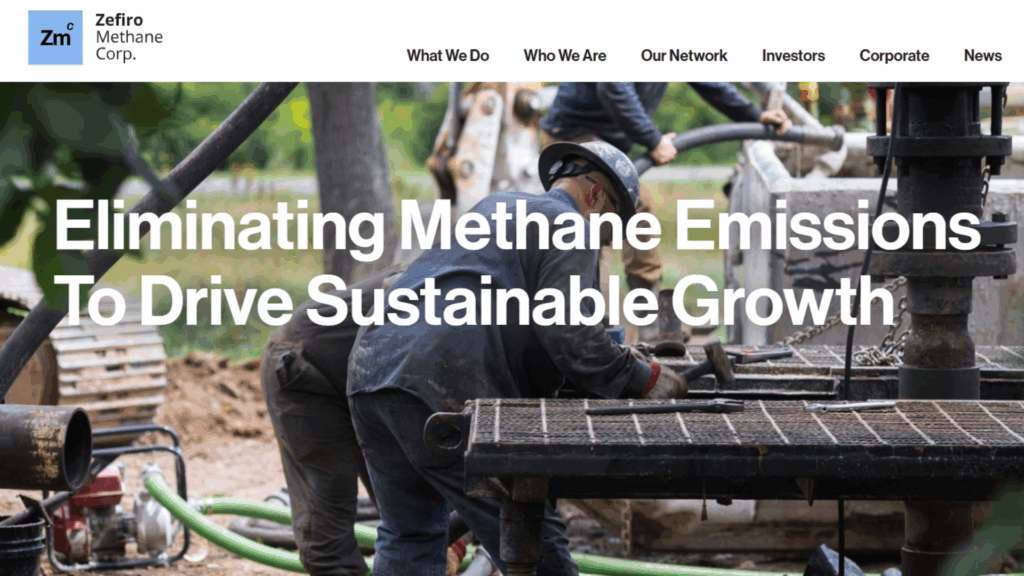
The energy investment landscape is in constant flux, but rare are the moments when a truly novel asset class emerges from an existing liability. Zefiro Methane has achieved precisely that, ushering in a new era for carbon offset generation by successfully issuing its inaugural batch of carbon credits derived from the remediation of abandoned oil and gas wells. This landmark transaction, certified under the American Carbon Registry’s (ACR) orphan well methodology, not only addresses a significant environmental challenge but also carves out a fresh pathway for capital deployment in the burgeoning voluntary carbon markets. For sophisticated investors navigating the complexities of energy transition and ESG mandates, this development signals a critical evolution in how environmental impact can be monetized and integrated into portfolio strategy.
Monetizing Methane: A New Funding Mechanism for Orphan Wells
The core of Zefiro’s achievement lies in transforming a long-standing environmental burden into a quantifiable, investable asset. By plugging abandoned oil and gas wells, historically underfunded liabilities, Zefiro has generated 92,956 metric tonnes of CO2 equivalent (CO2e) in certified emissions reductions from a project located in Custer County, Oklahoma. This marks the first time such an endeavor in the U.S. has yielded verifiable carbon offsets, utilizing a methodology published by the ACR in 2023. The significance extends beyond environmental cleanup; it establishes a replicable financial blueprint for addressing methane emissions from a ubiquitous source within the traditional oil and gas infrastructure. For investors, this represents an opportunity to participate in projects that offer tangible, measurable environmental benefits while creating a new revenue stream tied to the evolving carbon economy.
Market Validation and the Drive for Verifiable Impact
A crucial indicator of this new market’s potential and credibility is the pre-sale agreement with Mercuria Energy America, one of the world’s largest independent energy and commodities groups. Mercuria’s decision to purchase the initial tranche of these ACR959 carbon credits even before the methodology was finalized speaks volumes about market confidence and the perceived quality of these specific offsets. This proactive engagement, a rarity in the voluntary carbon markets, underscores a growing demand from institutional end-users for credits generated through projects that demonstrate transparent, verifiable, and common-sense emissions reductions. Investors are increasingly scrutinizing the underlying methodologies and data integrity of carbon credits, a trend reflected in recent queries about the data sources and models powering market responses to new asset classes. Zefiro’s meticulous approach, involving methane emission measurements, remediation, and third-party validation, directly addresses this demand for robust, quantifiable impact. This focus on verifiable impact aligns directly with what sophisticated institutional end-users are seeking, moving beyond mere compliance to genuine, quantifiable emission reductions – a clear answer to those asking about the ‘why’ behind using advanced analytical tools to dissect these complex markets.
Oil Market Dynamics and the ESG Imperative
This innovation arrives at a pivotal moment for global energy markets. As of today, Brent crude trades at $98.3, reflecting a 1.1% dip, while WTI sits at $89.84, down 1.46%. This recent volatility, with Brent having shed over 12% in the last 14 days, from $108.01 on March 26th to $94.58 on April 15th, underscores the inherent risks and fluctuating returns in traditional commodity plays. Against this backdrop, the ability to generate value from environmental remediation offers an attractive diversification and risk mitigation strategy. For oil and gas companies, the Zefiro model presents a pragmatic pathway to mitigate environmental liabilities and enhance ESG credentials, which are increasingly critical for investor attraction and capital access. The ability to offset methane emissions directly from their historical footprint can improve their overall carbon intensity metrics, a key consideration for institutional investors focused on net-zero goals. While the market’s immediate attention often fixates on traditional supply-side catalysts like the upcoming OPEC+ Joint Ministerial Monitoring Committee (JMMC) meeting on April 18th and the full Ministerial on April 20th, alongside weekly API and EIA inventory reports, the long-term investment horizon is increasingly shaped by innovative solutions that address both energy security and environmental stewardship.
Forward Outlook: Scaling Impact and Future Catalysts
The successful issuance by Zefiro is more than a one-off transaction; it establishes a scalable blueprint for the voluntary carbon market. The potential for similar projects across the U.S., where hundreds of thousands of orphan wells continue to emit methane, is immense. Investors should consider the long-term growth trajectory of this sector, driven by increasing corporate net-zero commitments and the expansion of robust carbon accounting methodologies. The immediate future will likely see further validation and adoption of the ACR orphan well methodology, potentially attracting more capital into this space. As new API Weekly Crude Inventory data is released on April 21st and 28th, alongside EIA’s Petroleum Status Reports on April 22nd and 29th, the market will continue to digest traditional energy supply signals. However, the emergence of credible carbon offset programs like Zefiro’s adds a critical new dimension to investment analysis, offering a tangible mechanism for the oil and gas sector to contribute to climate goals while unlocking new economic value. The coming months will be crucial in observing how other energy players and carbon market participants respond to this precedent, potentially accelerating the deployment of capital into similar methane reduction initiatives and solidifying orphan well remediation as a significant, investable segment of the voluntary carbon market.


