Singapore is strategically bolstering its liquefied natural gas (LNG) infrastructure, signaling a robust long-term commitment to natural gas as a cornerstone of its energy security and decarbonization efforts. While global crude markets grapple with significant volatility, the city-state’s state-owned Singapore LNG Corp. Pte. Ltd. (SLNG) is making tangible advancements on two fronts: enhancing its existing truck loading capabilities and developing a second major LNG import terminal. These initiatives underscore a clear investment thesis: stable, expanding demand for natural gas in Southeast Asia provides a compelling counter-narrative to the unpredictable gyrations of the crude oil market, offering investors a glimpse into a more resilient energy future.
Singapore’s Strategic LNG Expansion: A Hedged Bet on Energy Transition
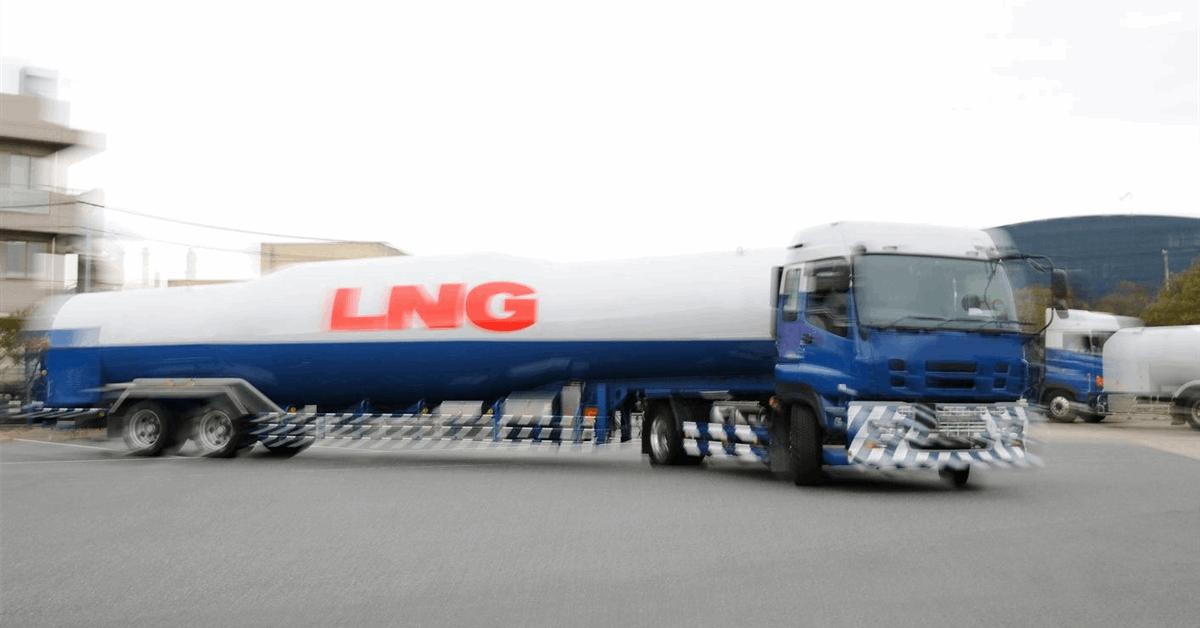
SLNG’s groundbreaking for a new truck loading facility on Jurong Island represents a crucial near-term enhancement to Singapore’s gas distribution network. Targeted for completion next year, this facility will feature two advanced loading bays, designed to accommodate larger 40-footer trucks – a significant upgrade from the current facility’s 20-footer limit. This capacity boost, coupled with hard loading arms optimized for single-operator use, promises enhanced operational efficiency and reduced downtime. It directly addresses the growing demand for trucked LNG within Singapore, catering to industrial users and potentially expanding into bunkering applications as the maritime sector increasingly adopts LNG as a cleaner fuel.
Beyond this immediate upgrade, SLNG is simultaneously laying the groundwork for a much larger, transformative project: Singapore’s second LNG terminal. This ambitious undertaking, a collaboration with industry giants Mitsui OSK Lines Ltd. (MOL), Jurong Port Pte. Ltd., and Wood PLC, centers around a newbuild floating storage and regasification unit (FSRU). This FSRU, to be constructed by Hanwha Ocean, will boast a substantial storage capacity of 200,000 cubic meters and a regasification capacity of five million metric tons per annum (MMtpa). With an operational target of 2030, this second terminal will elevate SLNG’s total throughput capacity from its current average of nine MMtpa (with a peak of 11 MMtpa) to an impressive 15 MMtpa. This expansion is critical for a nation that currently relies on SLNG’s existing terminal for approximately 50 percent of its power generation gas, with the remainder supplied by pipelines. Investors should view these developments as a clear signal of Singapore’s intent to solidify its position as a regional LNG hub, ensuring both domestic energy resilience and potential for regional supply.
Navigating Volatile Waters: LNG’s Appeal Amidst Oil Market Swings
The strategic investment in stable LNG infrastructure comes at a time when the broader energy market is experiencing significant price volatility, underscoring the appeal of natural gas as a more predictable energy source. As of today, Brent Crude trades at $90.38, reflecting a sharp 9.07% decline within the day, with its range fluctuating between $86.08 and $98.97. Similarly, WTI Crude has seen a 9.41% drop, settling at $82.59, having moved between $78.97 and $90.34. This daily downturn extends a broader trend, with Brent having shed $20.91, or 18.5%, over the past 14 days, falling from $112.78 on March 30th to $91.87 yesterday. Gasoline prices have also followed suit, currently at $2.93, down 5.18% today.
Such dramatic swings in crude prices, which frequently prompt readers to ask about predicted oil prices by the end of 2026 or current OPEC+ production quotas, highlight the inherent geopolitical and economic uncertainties in the oil market. For investors seeking stability and long-term growth, the consistent demand for natural gas, particularly in a high-growth region like Southeast Asia, presents a compelling alternative. Singapore’s methodical expansion of its LNG receiving and distribution capabilities offers a less speculative investment avenue, focusing on infrastructure assets that serve fundamental energy needs and contribute to global decarbonization goals, irrespective of short-term crude price gyrations.
Key Milestones Ahead: What Investors Need to Watch
For discerning investors, the phased rollout of Singapore’s LNG expansion presents several critical milestones worth monitoring. The new truck loading facility is slated for completion next year, likely in 2027, which will immediately enhance distribution capabilities and operational efficiency for local gas users. This relatively quick turnaround offers a near-term boost to SLNG’s service offering and regional competitiveness.
Looking further ahead, the front-end engineering design (FEED) contract for the second LNG terminal’s FSRU, awarded to Wood PLC, is expected to conclude by mid-2025. This phase is crucial as it finalizes the technical specifications and costings, paving the way for the subsequent phases of construction and financing. Investors should keep an eye on progress here, as successful completion of FEED will de-risk the project considerably. The ultimate target for the FSRU to commence operations is 2030, marking a significant step-change in Singapore’s long-term energy import capacity.
Beyond these specific project timelines, the broader energy landscape continues to evolve. This weekend, the OPEC+ Joint Ministerial Monitoring Committee (JMMC) meets on April 18th, followed by the Full Ministerial Meeting on April 19th. These gatherings could influence global crude supply policy, potentially impacting the wider energy market sentiment. Closer to home, weekly API and EIA inventory reports on April 21st and 22nd, respectively, along with the Baker Hughes Rig Count on April 24th, will offer fresh data points on supply-demand dynamics. While not directly tied to Singapore’s LNG projects, these events collectively shape the context in which natural gas investments are evaluated, reinforcing the strategic value of stable gas supply amidst potential crude market shifts.
Investor Perspective: The Long Game in Southeast Asian Gas
Singapore’s proactive approach to LNG infrastructure development is not merely about meeting domestic demand; it’s about cementing its role as a pivotal energy hub in Southeast Asia. For investors, this translates into a long-term growth story driven by fundamental demand. The companies involved, such as MOL for FSRU chartering, Hanwha Ocean for construction, Wood PLC for engineering, and China International Water & Electric Corp (S) Pte. Ltd. as the EPC contractor for the truck loading facility, represent a diverse set of opportunities within the value chain.
The region’s burgeoning economies, coupled with a push towards cleaner energy sources, ensure a robust appetite for natural gas for power generation, industrial processes, and potentially as a marine fuel. Singapore’s growing capacity, from 9 MMtpa to 15 MMtpa, positions it to capitalize on this trend, offering both direct investment opportunities in project financing and indirect benefits through related services and technologies. As global energy markets continue their transition, long-term investments in essential LNG infrastructure like Singapore’s offer a compelling blend of energy security, sustainable growth, and relative stability, standing apart from the acute price volatility seen in other segments of the energy complex.


