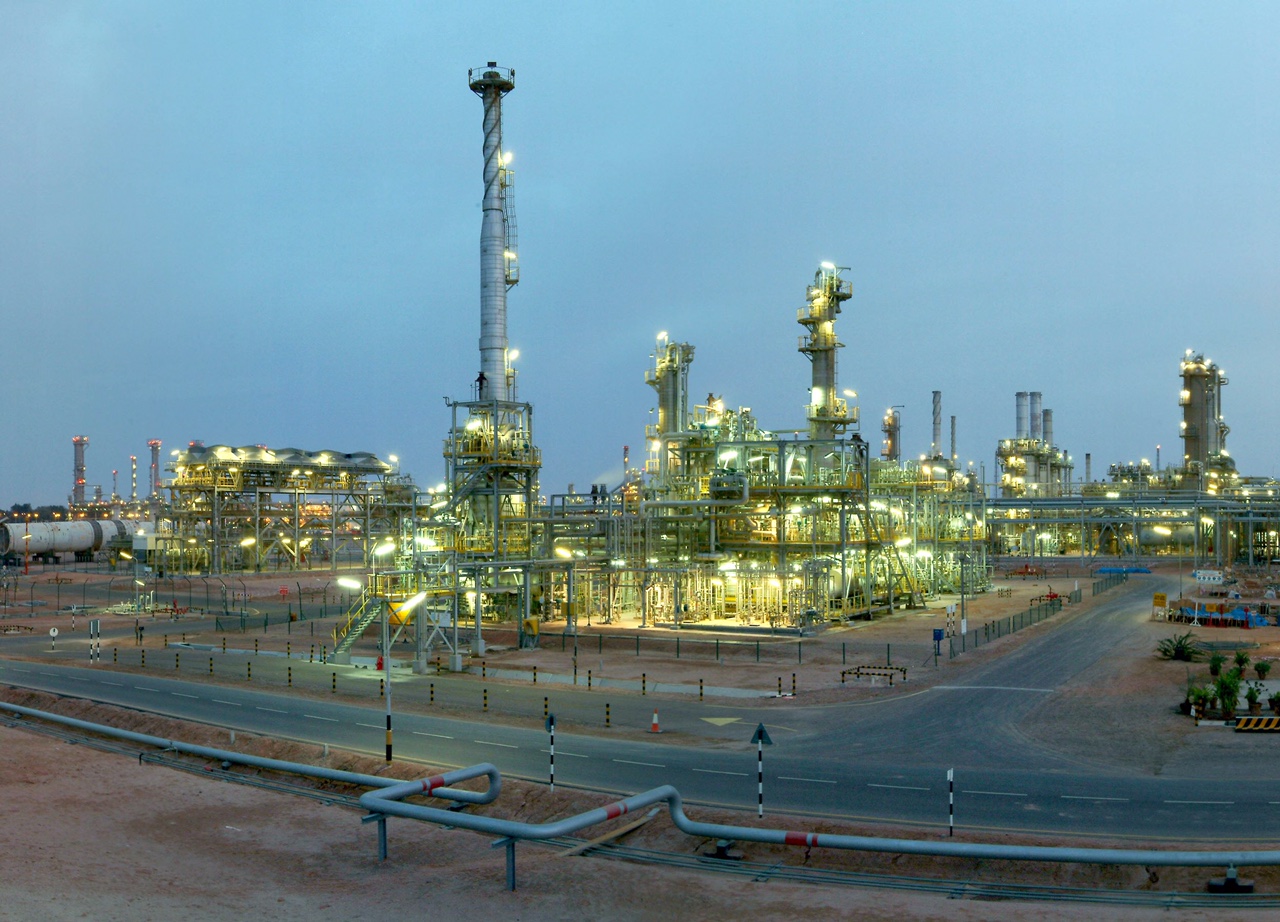
The recent landmark agreement between Abu Dhabi National Oil Co. (ADNOC) and Indian Oil Corp. for a 15-year supply of liquefied natural gas (LNG) represents a pivotal strategic move for both entities, signaling a strong commitment to long-term energy security and market stability. In an era marked by significant commodity price fluctuations, such enduring contracts provide a crucial anchor for investment and growth. This deal, primarily sourcing from ADNOC’s ambitious Ruwais project, not only solidifies ADNOC’s position as a major global LNG supplier but also underpins India’s evolving energy strategy, making the Indian state-run entity ADNOC’s largest LNG customer by 2029. For investors, this agreement offers a compelling lens through which to view the future trajectory of global gas markets, infrastructure development, and the broader energy transition narrative, particularly as short-term crude volatility persists.
Anchoring Long-Term LNG Demand Amidst Price Volatility
In a global energy landscape characterized by acute price swings, long-term contracts like the 15-year ADNOC-IndianOil LNG deal provide invaluable stability and predictability. This agreement commits ADNOC to supply 1 million tons per annum (MMtpa) of LNG, primarily from its under-construction Ruwais project, alongside an additional 1.2 MMtpa from its existing Das Island operations. Such substantial, multi-decade commitments are especially noteworthy given the current market climate. As of today, Brent Crude trades at $90.38, reflecting a significant daily downturn of 9.07% and a wider range between $86.08 and $98.97. This sharp drop follows a pronounced 14-day trend where Brent declined by $20.91, or 18.5%, from $112.78 on March 30th to $91.87 yesterday. For energy producers like ADNOC, locking in demand for its expanding production capacity through such a protracted period de-risks massive capital expenditures. The Ruwais project, slated for commercial operations by 2028, is set to more than double ADNOC’s LNG capacity to 15 MMtpa. With over 8 MMtpa of the project’s 9.6 MMtpa capacity already committed to international customers, including this latest Indian Oil agreement and previous deals with buyers from Germany to Malaysia, ADNOC demonstrates a clear strategy to secure off-take agreements well in advance of production. This approach mitigates exposure to the unpredictable spot market and ensures a robust revenue stream for decades, a key consideration for investors evaluating long-term asset viability.
India’s Strategic Energy Transition and Investment Implications
From India’s perspective, this significant LNG deal is a cornerstone of its ambitious plan to increase the share of natural gas in its energy mix by the end of the decade. As the world’s third-largest energy consumer, India’s pivot towards cleaner-burning natural gas is a critical component of its energy security and environmental objectives. Despite acknowledged infrastructure bottlenecks that have historically constrained gas expansion, securing a stable, long-term supply from a reliable partner like ADNOC provides the necessary foundation for future growth. For investors, this signals a compelling opportunity in India’s energy infrastructure sector. The guaranteed supply will necessitate further investment in regasification terminals, pipelines, and distribution networks within India. Companies involved in midstream and downstream gas infrastructure, as well as those developing industrial and power generation projects fueled by natural gas, stand to benefit. This strategic move by Indian Oil Corp. validates the long-term demand thesis for natural gas in emerging economies, offering a clear signal for capital allocation in related sectors and providing a counter-narrative to those solely focused on renewables in the energy transition.
ADNOC’s Global LNG Ambition and Future Market Dynamics
This long-term supply agreement underscores ADNOC’s aggressive strategy to emerge as a dominant player in the global LNG market. The Ruwais project is central to this ambition, slated to significantly boost the UAE’s liquefaction capabilities. The strategic importance of this expansion is further highlighted by ADNOC Gas Plc’s anticipated acquisition of its parent ADNOC’s 60% stake in the Ruwais project by the second half of 2028, demonstrating internal alignment and commitment to the venture’s success. Looking ahead, investors should closely monitor several upcoming energy events that could influence the broader market sentiment surrounding such large-scale energy projects. The upcoming OPEC+ Joint Ministerial Monitoring Committee (JMMC) meeting on April 18th, followed by the Full Ministerial meeting on April 19th, will provide crucial insights into crude production policies. While directly impacting oil, these decisions invariably ripple through the entire energy complex, affecting investment appetite and global energy trade dynamics. Similarly, the API Weekly Crude Inventory reports on April 21st and 28th, along with the EIA Weekly Petroleum Status Reports on April 22nd and 29th, will offer granular data on immediate supply-demand balances. While LNG markets operate on different fundamentals than crude, a stable, albeit volatile, crude market environment can foster greater confidence in long-term gas investments by major producers like ADNOC, reinforcing the rationale behind securing long-term contracts to underpin their substantial capital outlays.
Investor Sentiment and the Forward Outlook for Hydrocarbon Investments
A key question on the minds of many investors, as evidenced by proprietary intent data from our AI assistant this week, is “what do you predict the price of oil per barrel will be by end of 2026?” and “What are OPEC+ current production quotas?” While the ADNOC-IndianOil deal is for LNG, it offers a crucial piece of the puzzle for the broader hydrocarbon investment thesis. The commitment to a 15-year gas supply, coupled with ADNOC’s significant expansion, clearly signals that major players foresee robust, sustained demand for natural gas well into the next decade, irrespective of short-term crude price volatility. Even with Brent currently trading well below recent highs, such long-term deals de-risk the future revenue streams for gas producers, making their assets more attractive to long-term equity investors. The upcoming OPEC+ meetings will be instrumental in shaping the crude price outlook for the remainder of 2026, with current production quotas being a hot topic. Any changes to these quotas could impact global supply, influencing price levels and, consequently, the profitability of oil exploration and production companies. However, the ADNOC-IndianOil agreement illustrates a powerful counter-trend: in the gas sector, strategic long-term off-take agreements provide a buffer against market fluctuations, securing returns on significant infrastructure investments. For investors, this highlights the divergent yet interconnected paths within the hydrocarbon sector – while crude remains subject to geopolitical and cartel decisions, the gas market, particularly for LNG, is increasingly driven by bilateral long-term contracts that underpin multi-billion dollar infrastructure projects and guarantee demand for decades. This blend of short-term volatility in crude and long-term stability in gas presents a nuanced but ultimately bullish case for diversified hydrocarbon investment, especially in companies strategically positioning themselves with binding, multi-decade agreements.


