The global oil market is once again navigating a complex interplay of macroeconomic shifts and escalating geopolitical tensions, which together have driven a notable surge in crude prices. Recent trading sessions have seen West Texas Intermediate (WTI) climb to levels not witnessed in three weeks, a direct response to a more dovish stance from the U.S. Federal Reserve and renewed supply concerns following Ukrainian drone attacks on critical Russian energy infrastructure. This dual catalyst scenario is reshaping investor expectations for both demand and supply dynamics in the near term, prompting a critical re-evaluation of energy portfolio positioning.
Monetary Policy Tailwinds: Fueling Demand Expectations
A significant driver behind crude’s recent upward trajectory stems from evolving monetary policy expectations. The U.S. Federal Reserve’s signals last week, particularly Chairman Jerome Powell’s remarks hinting at potential rate cuts as early as the next meeting, have profoundly influenced market sentiment. This dovish pivot has led traders to price in a possible September rate cut, injecting a palpable sense of optimism into commodity markets. Lower interest rates typically translate to a weaker dollar and stimulate economic activity, bolstering the outlook for global oil demand. Earlier in the week, WTI crude reacted strongly to these expectations, gaining nearly 2% to $64.90, while Brent crude pushed above $68 per barrel, up 1.71% to $68.89, as the market began to factor in easier financial conditions. Investors are keenly focused on how these macroeconomic adjustments will translate into sustained demand, especially against a backdrop of varied global growth projections.
Escalating Geopolitical Risks: A Persistent Supply Threat
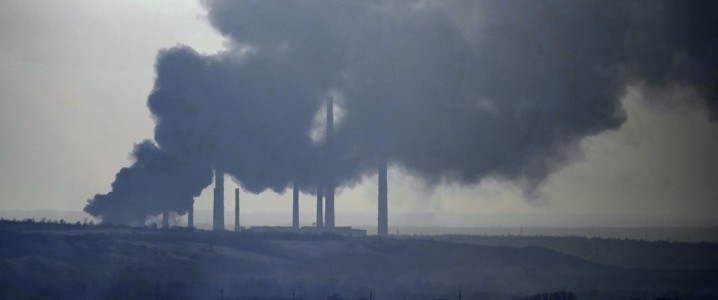
Concurrent with the macro tailwinds, the oil market is grappling with an intensifying geopolitical risk premium, particularly from the Black Sea region. Recent Ukrainian drone attacks on Russian energy infrastructure have underscored the vulnerability of key supply arteries. Russian officials reported a major blaze at the Ust-Luga fuel terminal on the Baltic Sea, alongside a continuing fire at the Novoshakhtinsk refinery in the Rostov region. This refinery, with a capacity of approximately 100,000 barrels per day and largely geared towards exports, represents a tangible hit to Russian processing and export capabilities. These incidents are not isolated; they extend a months-long campaign that has repeatedly forced repairs and temporary curtailments at various Russian oil and product sites. The market is increasingly concerned that ongoing peace negotiations are making little headway, suggesting that these geopolitical disruptions could become a more entrenched feature of the supply landscape, challenging earlier expectations of a seasonal surplus.
Current Market Posture and Forward-Looking Catalysts
The interplay of dovish central bank signals and persistent geopolitical risks has significantly influenced crude prices. As of today, Brent crude trades at $98.01, marking a substantial 3.24% increase within the day, with its range spanning $94.42 to $99.84. West Texas Intermediate (WTI) mirrors this strength, currently priced at $89.65, up 1.72% for the session, trading between $87.32 and $91.82. This upward movement comes after a period of significant volatility, with Brent having trended downwards by over 12% ($13.43) from $108.01 on March 26 to $94.58 just yesterday, highlighting the market’s sensitivity to new information. Investors are actively seeking clarity on the market’s direction, with many asking about current Brent crude prices and what models underpin these valuations, reflecting a desire for real-time, accurate data in a dynamic environment.
Looking ahead, the next two weeks are packed with critical events that will further shape market sentiment. The upcoming OPEC+ meetings, including the Joint Ministerial Monitoring Committee (JMMC) on April 18 and the Full Ministerial Meeting on April 20, are paramount. Many of our readers are keenly interested in “What are OPEC+ current production quotas?” and are looking for a “base-case Brent price forecast for next quarter.” These meetings will provide crucial insights into the group’s production strategy amidst rising prices and geopolitical instability. Any indication of quota adjustments or reaffirmation of current cuts will directly impact global supply. Simultaneously, the Baker Hughes Rig Count reports on April 17 and April 24 will offer a pulse check on North American drilling activity, hinting at future supply trends. Furthermore, the API Weekly Crude Inventory (April 21, 28) and EIA Weekly Petroleum Status Report (April 22, 29) will provide essential data on U.S. crude and product inventories, offering demand signals and insights into domestic supply-demand balances. While some analysts caution that momentum remains fragile, suggesting tariff risks could slow growth despite looser financial conditions, these upcoming events will be instrumental in determining if the current bullish sentiment can be sustained or if the market will revert to a more cautious posture.


