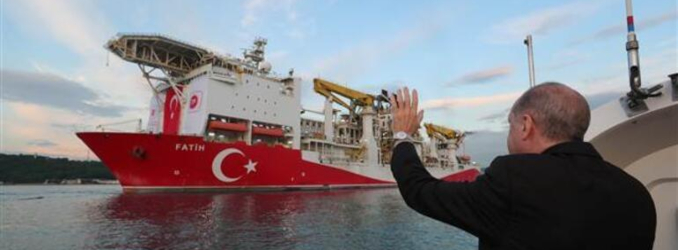
A significant geopolitical shift is unfolding in North Africa, poised to reshape the energy landscape of the Eastern Mediterranean and potentially impact global supply dynamics. Turkey is on the cusp of securing a landmark energy exploration deal with Libya, specifically gaining approval from the eastern-based House of Representatives in Benghazi. This agreement, a dramatic reversal of previous staunch opposition, signals a warming of ties between Ankara and forces allied with military commander Khalifa Haftar, opening the door for Turkish exploration vessels in a contested swathe of Mediterranean waters. For energy investors, this development introduces new long-term supply potential amidst ongoing regional tensions and a volatile crude market.
Geopolitical Realignment Unlocks Eastern Mediterranean Potential
The proposed deal hinges on the eastern Libyan parliament’s approval of a 2019 pact, which had previously been blocked by Haftar’s faction, despite support from the Tripoli-based government. This impending approval marks a profound turnaround, reflecting Turkey’s concerted efforts to mend relations across the divided nation. Recent tangible signs of this rapprochement include a historic visit by a Turkish navy corvette, the TCG Kinaliada, to Benghazi’s port this week, and high-level meetings between Haftar’s son, Saddam, and Turkey’s defense minister and army chief in Ankara just last month. Turkey’s strategic motivations are multifaceted, encompassing not only reinforcing its claims in the Eastern Mediterranean for oil and gas exploration but also salvaging billions of dollars in business contracts that were stalled by years of conflict. This diplomatic pivot, following Ankara’s rapprochement with Egypt, underscores a broader strategy to stabilize its regional influence and secure critical energy resources, potentially transforming the region’s energy matrix over the coming decade.
Market Volatility Meets Long-Term Supply Prospects
While the immediate impact of this deal on global oil prices remains speculative, the potential for new exploration in a resource-rich, yet historically unstable, region adds an intriguing layer to the long-term supply narrative. As of today, Brent Crude is trading at $90.38 per barrel, experiencing a significant daily drop of 9.07%, while WTI Crude stands at $82.59, down 9.41%. This sharp decline follows a period of heightened volatility, with Brent having fallen by 18.5% from $112.78 on March 30th to $91.87 on April 17th. Gasoline prices reflect this trend, currently at $2.93, a 5.18% decrease. This downward pressure underscores the market’s sensitivity to supply and demand signals, even as geopolitical factors remain a constant undercurrent. The prospect of Turkish exploration in the Eastern Mediterranean, while years away from actual production, could contribute to a longer-term easing of supply concerns, offering a counter-narrative to current market anxieties driven by short-term inventory data and global economic indicators.
Navigating Regional Disputes and Investor Questions
This potential agreement is not without its geopolitical complexities. Greece and Cyprus have historically accused Turkey of asserting dominance in contested waters, and a new wave of exploration could reignite these long-standing disputes. For investors, this translates into an added layer of risk associated with regional energy projects. However, the potential scale of hydrocarbon discoveries in the Eastern Mediterranean, combined with Turkey’s demonstrated commitment to energy security, could outweigh these risks for those with a long-term horizon. Our proprietary reader intent data reveals that many investors are keenly asking: “What do you predict the price of oil per barrel will be by end of 2026?” and “What are OPEC+ current production quotas?” These questions highlight the tension between immediate market drivers and future supply considerations. While OPEC+ decisions and existing production quotas are critical for near-term price forecasts, the successful execution of this Turkey-Libya deal could introduce a significant new supply variable into the global energy equation, influencing price projections further out into 2026 and beyond.
Forward Outlook: The Road Ahead for Mediterranean Gas
The coming weeks will be critical for the formalization of this agreement, with the eastern Libyan parliament expected to vote on the 2019 pact. Should it pass, it would initiate a new phase of exploration that reinforces Turkey’s energy ambitions in the region. This development unfolds against a backdrop of several key energy events that will shape the market’s immediate future. Investors will be closely watching the OPEC+ Joint Ministerial Monitoring Committee (JMMC) meeting tomorrow, April 18th, followed by the Full Ministerial meeting on April 19th, for any signals regarding production policy that could impact short-term supply. Furthermore, the API Weekly Crude Inventory report on April 21st and the EIA Weekly Petroleum Status Report on April 22nd will provide crucial insights into current supply-demand balances. While these events focus on the near-term, the Turkish-Libyan deal represents a strategic long-term play. Successful exploration could unlock substantial gas reserves, offering Turkey greater energy independence and potentially diversifying Europe’s energy sources in the coming years, gradually shifting the supply landscape and demanding close attention from discerning energy investors.


